Virginia Bird Hunting
Seasons Span October 2, – February 7, 2027

State Drought Monitor – Upland hunting conditions are often highly dependent upon moisture for both habitat production and bird survival.
Virginia Upland Game Bird Hunting Overview
State DNR & Licensing Information
Upland game bird hunting in Virginia is administered by the Virginia Department of Wildlife Resources (DWR). The 2026–27 regulations are now published and are the official source for season dates and bag limits. (Department of Water Resources)
License Requirements & Fees
- Resident Annual Hunting License: $23
- Nonresident Annual Hunting License: $110
- Nonresident 3-Day Hunting License: $59
- Resident Junior Hunting License: $8.50
- HIP Registration: Required for dove, woodcock, snipe, rails and other migratory game birds.
Season Dates & Bag Limits — 2026–2027
Northern Bobwhite Quail
- Season: November 8, 2026 – January 31, 2027
- Daily Limit: 6
- Possession Limit: 18
- Important restriction: Quail hunting is closed on public lands west of the Blue Ridge Mountains, with additional WMA closures.
Ruffed Grouse
- Season: October 24, 2026 – February 7, 2027
- Area: West of I-95
- Daily Limit: 3
- Possession Limit: 9
- East of I-95: Closed
Ring-Necked Pheasant
- Season: November 8, 2026 – January 31, 2027
- Daily Limit: No daily limit
- Note: Primarily associated with private shooting preserves and limited stocked opportunities rather than a significant wild population.
American Woodcock
- First Segment: November 10–30, 2026
- Second Segment: December 24, 2026 – January 18, 2027
- Daily Limit: 3
- Possession Limit: 9 (Department of Water Resources)
Mourning & White-Winged Dove
- First Segment: September 5 – October 24, 2026
- Second Segment: November 21–29, 2026
- Third Segment: December 19, 2026 – January 18, 2027
- Daily Limit: 15
- Possession Limit: 45 (Department of Water Resources)
Weather Assessment & Bird Hunting Outlook
Survey Methodology
Virginia’s best biological information comes from hunter-cooperator surveys, harvest data and long-term habitat monitoring rather than a statewide quail-style roadside count. DWR annually surveys ruffed grouse hunters for birds flushed and harvested and collects wings/tails to determine age and sex ratios. (Department of Wildlife Resources)
For the 2026 forecast, I weighted those data against NOAA/NCEI climate information, U.S. Drought Monitor conditions, winter severity, spring precipitation and summer moisture.
Weather Impact & Habitat Conditions
- Winter 2025–26 — NEGATIVE: Virginia experienced a cold, dry winter, with much of the state below normal precipitation. (Drought.gov)
- Spring 2026 — NEGATIVE: The prolonged Southeast dry spell continued. By mid-April, 99.95% of Virginia was experiencing drought, with soil-moisture and streamflow deficits intensifying. (Drought.gov)
- Summer 2026 — NEGATIVE: Virginia’s January–June period was the 5th-driest on record, with a 5.15-inch precipitation deficit. June was the 32nd-driest on record. (Drought.gov)
- Current conditions: Drought has eased somewhat, but roughly 82% of the state remains in D1–D4 drought as of early August. (Drought.gov)
This is a substantially worse weather year for Virginia upland birds than the Vermont assessment.
2026–27 Population Outlook
Northern Bobwhite Quail — POOR–FAIR
Virginia’s bobwhite population has been heavily reduced over the long term by habitat loss and forest succession. DWR continues to focus management on early-successional habitat and private-land restoration. (Department of Wildlife Resources)
The 2026 weather pattern adds another negative: a very dry winter and spring followed by significant summer moisture deficits. That is unfavorable for nesting, brood survival and insect production.
Best prospects: Southern and southeastern Virginia where remaining agricultural/grassland habitat is concentrated.
Forecast: POOR–FAIR.
Ruffed Grouse — POOR
This is the species where Virginia’s long-term trend is particularly concerning. DWR explicitly reports that grouse populations have been declining and continues to solicit hunter data to monitor the decline. (Department of Wildlife Resources)
The dry 2026 growing season is another negative, although suitable mountain habitat can buffer some effects.
Best prospects: Western mountain counties with young forest, regenerating timber and dense cover.
Forecast: POOR.
Ring-Necked Pheasant — POOR
Virginia has no major self-sustaining wild pheasant population comparable with Midwestern pheasant states. Opportunities are primarily associated with stocked birds and private preserves.
Forecast: POOR for wild birds.
American Woodcock — FAIR
The drought is a negative for Virginia’s moist bottomland and young-forest habitat, but woodcock are migratory and the eventual hunting picture will depend heavily on northern production and migration weather.
Cold fronts and rainfall in November and December could produce excellent localized flights.
Forecast: FAIR.
Wilson’s Snipe — FAIR–POOR
The prolonged moisture deficit is unfavorable for temporary wetlands and wet agricultural ground. Permanent wetlands and remaining saturated areas should be considerably better.
Forecast: FAIR–POOR.
Mourning & White-Winged Dove — FAIR
Doves are more resilient than quail and grouse, and agricultural areas can buffer drought effects. However, the extremely dry first half of 2026 is not ideal for natural food production.
Forecast: FAIR.
Rails & Gallinules — FAIR–POOR
Wetland conditions are the limiting factor. The drought makes this a more localized opportunity, particularly around permanent marshes and managed wetlands.
Forecast: FAIR–POOR.
Overall Virginia Outlook: FAIR–POOR
Virginia’s 2026 weather picture is considerably worse than it initially appears from simply looking at current conditions.
The important factor is duration: Virginia experienced a cold, dry winter, entered spring with significant precipitation deficits, and then reached the 5th-driest January–June period in its historical record. (Drought.gov)
That matters most for bobwhite and grouse, which depend on good nesting and brood-rearing conditions. The long-term habitat trend is already unfavorable for both species, particularly ruffed grouse. (Department of Wildlife Resources)
Best 2026 Bets
Bobwhite: Southern/southeastern agricultural country with intact early-successional habitat.
Ruffed Grouse: Western mountains, particularly recent timber cuts and regenerating forest.
Woodcock: Moist creek bottoms, alder and young forest; watch for November/December migration fronts.
Snipe: Permanent wetlands and wet agricultural ground.
Dove: Agricultural fields with reliable water and food sources.
Forecast Confidence: Moderate–High
The weather assessment is high-confidence because the precipitation deficit is exceptionally well documented. Virginia’s January–June period ranked fifth-driest since 1895, and the state remains heavily drought-affected. (Drought.gov)
The bird forecast is less certain because Virginia lacks a current statewide population survey for some species.
Bottom line: Virginia looks like a below-average upland bird year in 2026. The drought compounds already significant long-term habitat problems for bobwhite and especially ruffed grouse. Woodcock may be the most interesting wild-bird opportunity because migration weather can override some of the local drought effects.
This summary provides a comprehensive overview of the 2025-26 Virginia upland bird hunting season based on available data. For the most accurate and up-to-date information, visit dwr.virginia.gov or consult the official 2025-26 Hunting & Trapping Digest.
-
Women’s Outdoor & Shooting Industry Dinner Announces 2015 Sponsors
Kalamazoo, Mich., (December 20, 2014) – Britney Starr, founder of the Women’s Outdoor & Shooting Industry Dinner is proud to announce this year’s sponsors of the annual event, presented by LaserMax. Now in its third year, the dinner facilitates valuable networking among female firearm industry members during the Shooting, Hunting, Outdoor Trade Show (SHOT Show)…
-
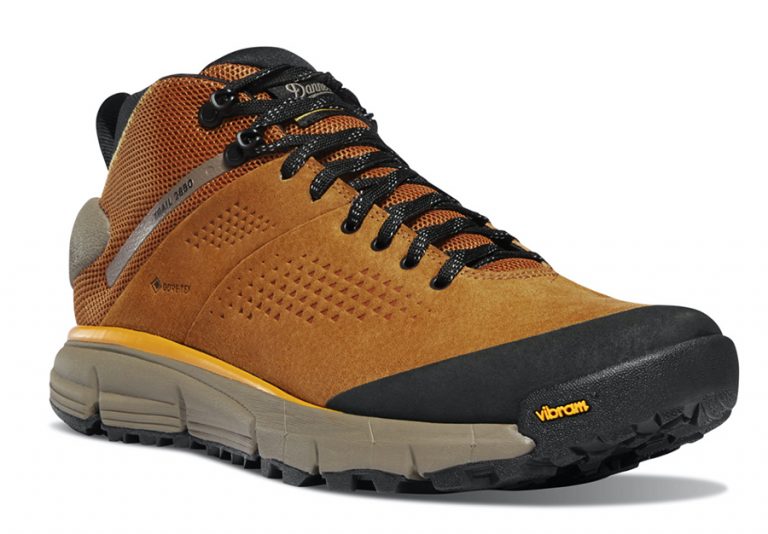
Danner Trail 2650 GTX Mid
I know that Danner tries to guide bird hunters to boot models with alluring names such as the Grouse and the Sharptail. But why would anyone ever strap a boot to their foot that weighs more than twice as much as the Trail GTX Mid — just 28 oz per pair? Weight and comfort elevate…
-
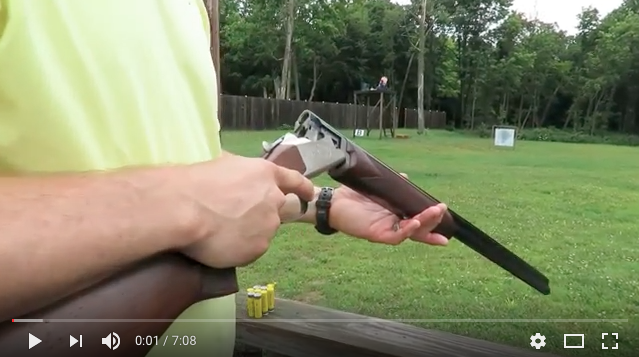
Shooting the Browning 725 Feather in 20
Though it weighed in a little heavier than expected, the Browning Citori 725 Feather is a well-balanced straight shooter. MSRP for this 20 gauge is $2549.
-
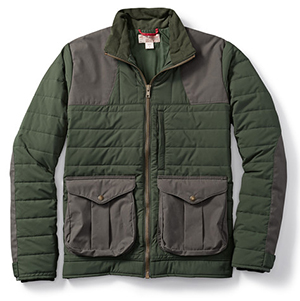
Filson’s Stryker Jacket
We ended up hunting in South Dakota in some of the most brutal conditions I’ve ever experienced afield. Filson’s Stryker Jacket ($325) gave us the perfect balance between insulation and weight. We had no problem wearing our strap vest over top and staying warm. The best part is we could still smoothly mount the shotgun without feeling…
-
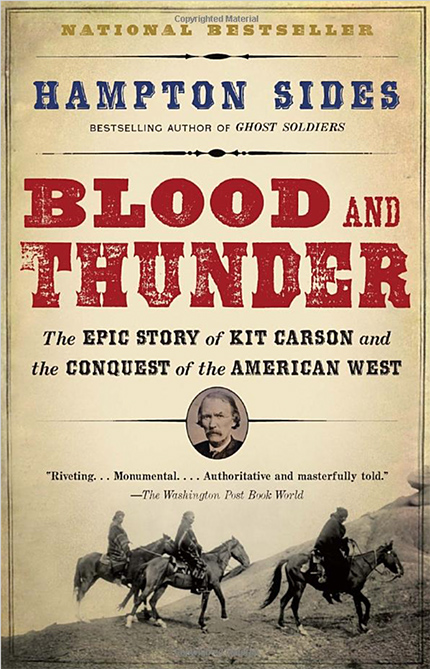
Blood and Thunder
When I saw that one of the peaks I planned to climb this fall was named for the legendary scout and soldier Kit Carson, I decided I should learn more about his life. The story spans nearly three decades and gives amazing details of the hardships and triumphs of an illiterate mountain man. Kit Carson…
-
Making Kansas Memories
Opening day in Kansas occupies a sacred place for me since this is the territory where my upland obsession really took hold years ago. The bulk of the state has a dismal bird forecast like much of the rest of the Midwest this year. There are some bright spots which have been deemed the north…