Vermont Bird Hunting
Seasons Span September 26 – December 31, 2027

State Drought Monitor – Upland hunting conditions are often highly dependent upon moisture for both habitat production and bird survival.
Vermont Upland Game Bird Hunting Overview
State DNR & Licensing Information
Upland and migratory game bird hunting in Vermont is administered by the Vermont Fish & Wildlife Department.
License Requirements & Fees
- Resident Annual Hunting License: $28
- Nonresident Annual Hunting License: $102
- Resident Small Game License: Included with the hunting license
- Nonresident Small Game License: $50
- Resident Combination Hunting/Fishing License: $47
- Vermont Waterfowl Stamp: $7.50 — required for waterfowl hunters age 16+
- HIP Registration: Required for woodcock and other migratory game birds.
The 2025 state fee schedule is the latest fee document I could verify directly; the 2026 season calendar confirms the 2026 hunting dates. (Vermont Fish and Wildlife)
Season Dates & Bag Limits — 2026–2027
Ruffed Grouse
- Season: September 26 – December 31, 2026
- Daily Limit: 4
- Possession Limit: 8
American Woodcock
- Season: Not yet announced in Vermont’s published 2026 season calendar.
- Federal Framework: Maximum season length of 45 days
- Daily Limit: 3
- Possession Limit: 9
Vermont’s 2026 calendar specifically lists woodcock dates as “to be announced.” (Vermont Fish and Wildlife)
Wilson’s Snipe
- 2026–27 season: To be announced
- Daily Limit: 8
- Possession Limit: 24
Mourning Dove
- No regular statewide hunting season listed in Vermont’s 2026 hunting calendar.
Vermont is primarily a ruffed grouse and woodcock state for the upland hunter rather than a quail, pheasant or prairie-grouse destination.
Weather Assessment & Bird Hunting Outlook
Survey Methodology
Vermont presents a different forecasting problem than the Plains states. There is no large-scale annual quail-style roadside survey.
For grouse, the most useful biological information comes from spring drumming surveys and long-term habitat monitoring. Vermont has conducted annual ruffed grouse drumming surveys in managed study areas since 1989. (Vermont Fish and Wildlife)
For the weather assessment I weighted:
- Winter temperature and snow conditions;
- Spring precipitation and temperature;
- Summer moisture;
- NOAA/NCEI climate records;
- U.S. Drought Monitor conditions;
- Available Vermont grouse monitoring;
- Habitat age and forest regeneration.
Weather Impact & Habitat Conditions
- Winter 2025–26 — FAVORABLE: The Northeast had a notably cold winter—3.3°F below normal, the coldest since 2014–15. Snow remained on the ground for extended periods. (Drought.gov)
- Winter severity — MIXED: Cold and snow can reduce survival for some birds, but Vermont grouse are adapted to severe winters. The more important concern is whether deep snow restricts food access for prolonged periods.
- Spring 2026 — FAVORABLE: The Northeast received 104% of normal spring precipitation, while temperatures were about 2.3°F above normal. (Drought.gov)
- Summer 2026 — FAVORABLE: Vermont’s January–June precipitation ranked 37th wettest since 1895, at 2.13 inches above normal. June was also wetter than normal. (Drought.gov)
- Drought: Currently 0% of Vermont is in D1–D4 drought, a significant contrast with several states we’ve recently evaluated. (Drought.gov)
Overall, Vermont’s 2026 weather profile is considerably more favorable than the drought-stressed states farther west.
2026–27 Population Outlook
Ruffed Grouse — GOOD–FAIR
This is Vermont’s principal resident upland game bird.
The biggest positive is the combination of a cold, snowy winter followed by a wet spring and summer. That should provide good vegetation and insect availability during brood-rearing.
The limiting factor is habitat, not weather. Vermont’s forests have matured considerably, reducing the amount of young forest that grouse require. Vermont’s long-running management research demonstrates the importance of creating young forest and regenerating aspen habitat. (Vermont Fish and Wildlife)
Best prospects: Recently harvested timber, regenerating aspen, young forest and other early-successional cover.
Forecast: GOOD–FAIR.
American Woodcock — GOOD
Woodcock should benefit from the wet 2026 growing season. Moist soils support earthworms and other invertebrates, while young forest and shrub habitat provide cover.
The major uncertainty is migration weather and northern breeding production, rather than Vermont’s statewide population.
Forecast: GOOD, particularly following October/November migration fronts.
Wilson’s Snipe — GOOD–FAIR
The wet spring and summer should leave more wet ground and suitable feeding habitat than in a drought year.
Permanent wetlands and wet agricultural fields should be the most reliable areas.
Forecast: GOOD–FAIR.
Overall Vermont Outlook: GOOD
Vermont is a pleasant contrast to Utah, Texas and South Dakota in the current weather cycle.
The state has not experienced a significant 2026 drought. Instead, January–June precipitation was 2.13 inches above normal, and June ranked among the wetter Junes in the historical record. (Drought.gov)
The cold winter deserves some caution, but I would not interpret it as a major negative for ruffed grouse. These birds are adapted to Vermont winters, and the subsequent spring/summer moisture profile was favorable.
The larger long-term issue is habitat. Vermont’s grouse prospects are constrained by the amount and distribution of young forest, particularly regenerating aspen. (Vermont Fish and Wildlife)
Best 2026 Bets
Ruffed Grouse: Northern and central Vermont, particularly recent timber harvests and regenerating aspen stands.
Woodcock: Wet alder, shrub and young-forest cover, especially during October/November migration.
Snipe: Wet meadows, marsh edges and agricultural ground retaining moisture.
Forecast Confidence: Moderate
The weather assessment is high-confidence because Vermont has unusually good precipitation records and the current drought indicators are strongly favorable. (Drought.gov)
The ruffed grouse population forecast is less certain because Vermont does not publish the kind of statewide annual population index available for Texas quail or South Dakota pheasants.
Bottom line: Vermont looks like a GOOD upland bird state for 2026, led by ruffed grouse and woodcock. Weather is working in the hunter’s favor this year—especially moisture during the breeding and brood-rearing period. The primary limitation is habitat availability, not weather.
For the most up-to-date information, consult the Vermont Fish & Wildlife Department’s website or the 2025-26 Migratory Bird Syllabus, available online or at license agents and post offices by August 2025.
-
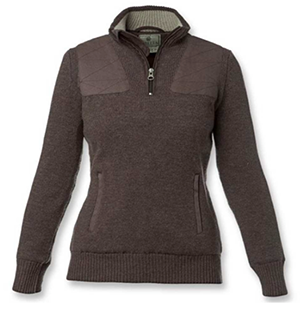
Beretta Windshield Sweater
A well-constructed wool shooting sweater that keeps you warm in the field can pull double duty as an outer layer. The Beretta Windshield Sweater ($125) with its soft wool exterior and windproof liner, is an attractive mid-layer that acts as a wind block.
-
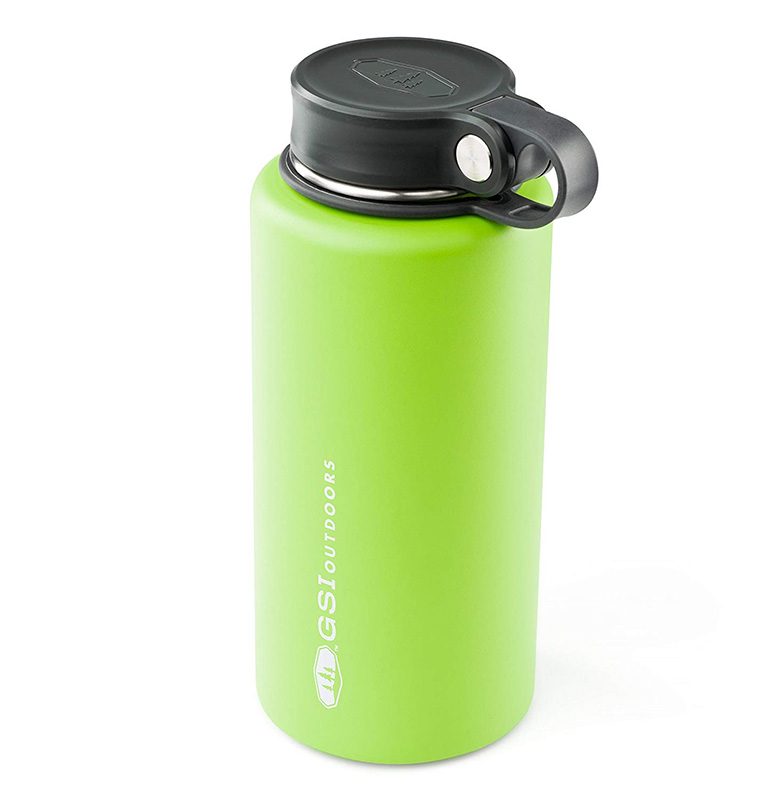
GSI Outdoors – Microlite 1000 Twist
Better than any water bottle on the market, the GSI Microlite weighs the same as the cheap plastic bottles holding 33 ounces of liquid, nearly indestructible and can keep ice for what seems forever. On multiple occasions this season I errantly left a cold drink in my bird vest overnight, only to find it still…
-
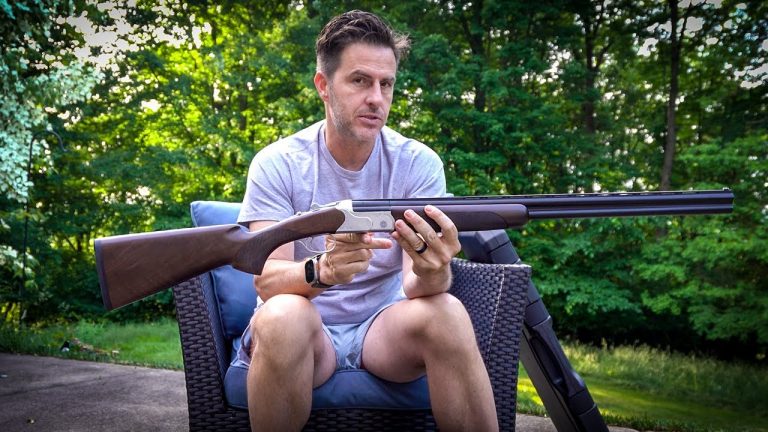
Unboxing the CZ Redhead Premier O/U 20 Gauge
The CZ Redhead Premier is the mid-tier field double from CZ. It offers reliability with a matte silver receiver and jeweled action. More intricate scrollwork engraving than its cousin the CZ Drake. We’ll be testing this shotgun over the next few weeks on the back 40 to see how we like shooting it.
-
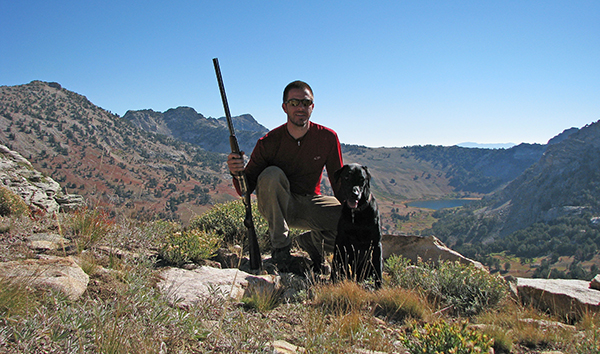
Keeping Weight on Your Bird Dog
When we’re not in the field, my dogs get fed premium dog food twice a day. Normally I don’t even need a clock in the house because they start getting antsy when meal times near. I think this is why it’s so confounding that when we go hunting their interest in food is trumped…
-
FirstLite North Branch Softshell
Looking for a softshell jacket that can be warn in your early and late season hunts? Consider the North Branch Softshell from FirstLite ($250) as your go-to jacket. The softshell is lightweight, durable and provides warmth without bulk—a bird chasers best friend. The jacket is fleece lined, but breathable, highly water resistant, wind proof and quiet—all makings…
-
Orvis Upland Shell
Besides doing their part to support public access, Orvis is also making some great improvements to their upland gear. When the leaves have yet to drop and shooting windows are minute, the ruffed grouse leave no time for thinking or for fumbling with the mount of the shotgun. The thing I like most about the Orvis Upland Shell ($198)…