Maine Bird Hunting
Seasons Span September 26 – December 31, 2026

State Drought Monitor – Upland hunting conditions are often highly dependent upon moisture for both habitat production and bird survival.
Maine Upland Game Bird Hunting Overview
State DNR & Licensing Information
Upland game bird hunting in Maine is administered by the Maine Department of Inland Fisheries & Wildlife (MDIFW).
License Requirements & Fees
- Resident Small Game License: $15
- Nonresident Small Game License: $75
- Nonresident 3-Day Small Game License: $50
- Resident Combination Hunting & Fishing: $48
- Nonresident Combination Hunting & Fishing: $169
- Pheasant Permit: $27 — required for hunters 16+ hunting pheasant in Cumberland and York counties.
- Migratory Game Bird/HIP: Required for woodcock, snipe, rails and other applicable migratory birds. (Maine)
Season Dates & Bag Limits — 2026–2027
Ruffed Grouse & Bobwhite Quail
- Season: September 26–December 31, 2026
- Daily Limit: 4
- Possession Limit: 8
Pheasant
- Season: September 26–December 31, 2026
- Daily Limit: 2
- Possession Limit: 4
- Special Requirement: Pheasant permit required in Cumberland and York counties.
American Woodcock
- Season: September 26–November 17, 2026
- Daily Limit: 3
- Possession Limit: 9
All seasons are subject to Maine’s prohibition on Sunday hunting. (Maine)
Weather Assessment & Bird Hunting Outlook
Survey Methodology
MDIFW uses several sources to monitor Maine’s upland birds:
- Ruffed Grouse: Drumming, brood and harvest information are used to assess annual abundance and recruitment.
- Woodcock: Maine participates in the long-running Singing Ground Survey, which monitors breeding males along standardized routes.
- Harvest/HIP Data: Hunter harvest information provides additional population and participation indicators. (Maine)
Maine’s long-term data show that ruffed grouse remain abundant but vary considerably by habitat and year. Woodcock, meanwhile, have experienced a long-term range-wide decline, although MDIFW has reported Maine’s breeding population as relatively robust in recent assessments. (Maine)
Weather Impact & Habitat Conditions
- Ruffed Grouse: Spring and early-summer weather is important for nesting and brood survival. Wet periods can reduce brood success, while good insect production benefits chicks.
- Woodcock: Moist soil conditions are particularly important. Fall rainfall and cold fronts can concentrate migrating birds in alder and other suitable cover.
- Pheasant: Primarily a stocking-driven opportunity; weather affects survival and distribution after release more than statewide population.
- Snipe/Rails: Wet conditions and available shallow-water habitat are the primary short-term factors.
Maine’s 2026 summer has been warmer than normal, while precipitation has varied sharply by region. Northern Maine has generally received near-normal rainfall, while central and southern Maine experienced substantially drier conditions in July. Bangor recorded only 0.81 inches in July—its fourth-driest July on record—while Caribou received 4.47 inches. (National Weather Service)
2026–27 Statewide Population Outlook
- Ruffed Grouse — GOOD: Maine remains one of the country’s premier grouse states. Habitat quality varies considerably, but the extensive mixed-age forest of northern, western and central Maine provides excellent potential. The 2026 summer’s regional dryness is a concern in southern/central areas, but northern Maine has maintained better moisture conditions. (Maine)
- American Woodcock — GOOD: Maine remains an important breeding and migration state. Suitable young-forest habitat and moist soils should provide good opportunities, particularly where fall rains produce favorable feeding conditions. (Maine)
- Pheasant — GOOD, LOCALIZED: Hunting is concentrated around southern Maine release sites, with the strongest opportunities in Cumberland and York counties.
- Common Snipe — FAIR–GOOD: Prospects should improve where late-summer and fall rainfall restores wet-soil conditions.
- Rails — FAIR: Highly localized and dependent on suitable marsh and wetland conditions.
Overall Maine Outlook: GOOD–EXCELLENT. Maine’s combination of extensive forest habitat, abundant ruffed grouse, strong woodcock habitat and a stocked pheasant program makes it one of the better all-around upland destinations in the Northeast. (Maine)
For the most up-to-date information, consult the Maine Department of Inland Fisheries and Wildlife (MDIFW) website at mefishwildlife.com or contact their office at 207-287-8000.
-
Last Minute Gift Ideas for Campers, Hikers, Outdoorsmen and Hunters
Here’s some quick gift ideas from gear we’ve put to the test this season. And if you don’t need a gift for others, maybe treat yourself. SHOP THE STORY First Lite Men’s Sawbuck Brush Soft Shell Pant Stanley Adventure Insulated Stacking Beer Pint Glass Carhartt Men’s Rain Defender Relaxed Fit Lightweight Jacket Merrell Moab Speed…
-
All-Clad Frying Pan
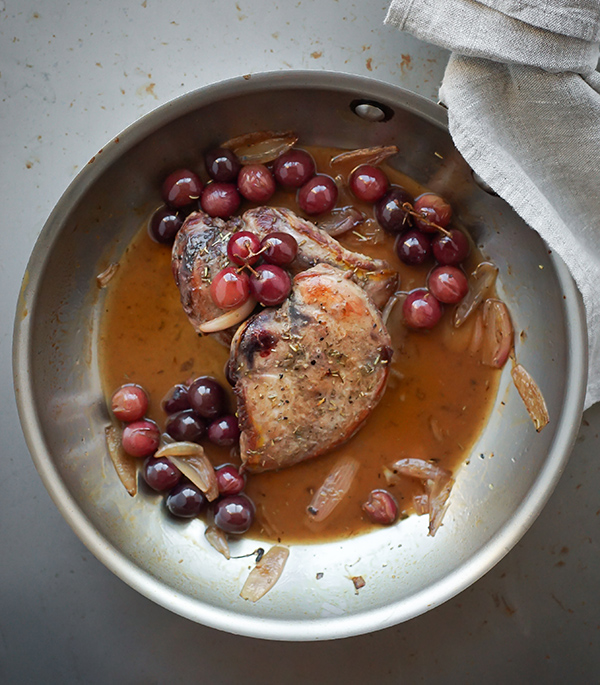
If I had to suggest one kitchen item that every cook should own, it is this All-Clad Frying Pan. I have been cooking for a number of years and I swear by the quality of this brand. This pan not only heats quickly, but also evenly due to the layer of aluminum in between the…
-
Orvis’s Women’s Upland Vest
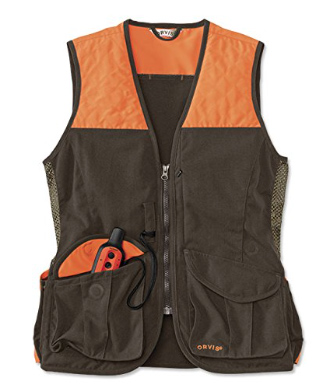
It’s hard to find a women’s specific upland vest—more often than not we are resorting to men’s vests that can be too large and cumbersome for us. If you’re looking for a vest that is simple, well-made, and actually fit for a woman, take a look at Orvis’s Women’s Upland Vest. This vest ($149) comes…
-
Firecracker Pheasant Fritters
We’re always looking for new ways to revive birds from the back corners of the freezer, especially ones that have been a bit roughed-up getting there. Fritters sounded like a great remedy for the nasty weather swirling outside. When I was growing up my mom made my sisters and I each prepare one dinner a…
-
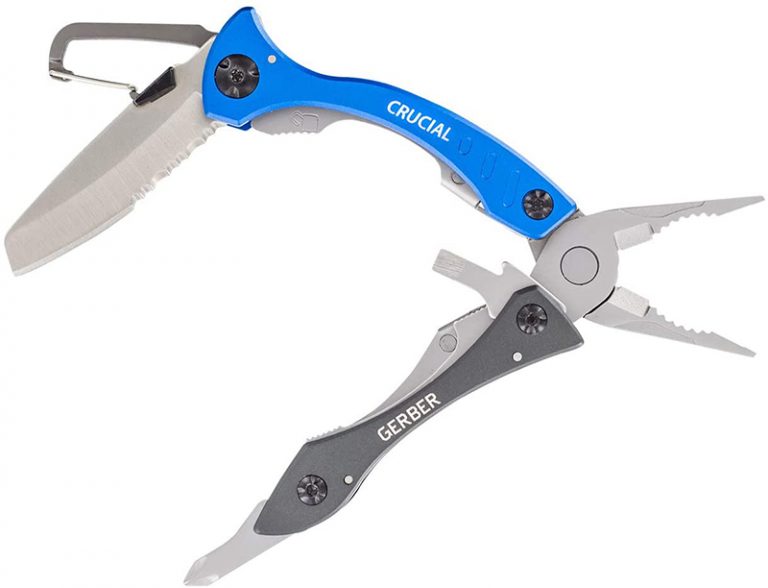
Gerber Crucial
Weight, weight, weight… no, seriously. I have carried a multi-tool in my bird vest for years. And the number of times I used that massive have-it-all tool with something for every eventuality over the course of those years…… zero. Because of the rigors of this season of Way Upland, I broke down all my gear…
-
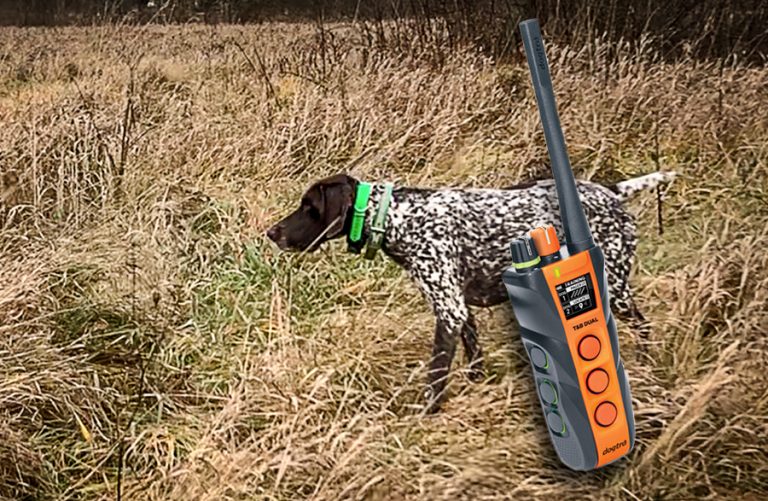
Dogtra T&B Dual Trainer System
Every upland hunter dreads the day when their collar system fails. The remains of my upland transmitter, sprinkled across the freshly cut grass, brought that day home this past summer. The pinch of a new system on my hunting budget had me scrambling into the research weeds. My search ended with a clear front runner,…