Ohio Bird Hunting
Seasons Span October 16 – January 10, 2027

State Drought Monitor – Upland hunting conditions are often highly dependent upon moisture for both habitat production and bird survival.
Ohio Upland Game Bird Hunting Overview
State DNR & Licensing Information
Upland game bird hunting in Ohio is administered by the Ohio Department of Natural Resources (ODNR), Division of Wildlife. Ohio’s current 2026–27 regulations were updated July 6, 2026. (Ohio Department of Natural Resources)
License Requirements & Fees
- Resident Annual Hunting License: $19
- Nonresident Annual Hunting License: $180.96
- Nonresident 3-Day Hunting License: $40.56
- Youth Annual Hunting License: $10
- HIP Certification: Required for migratory game birds, including woodcock.
- Ohio Wetlands Habitat Stamp: Not required for woodcock, but required for waterfowl.
Season Dates & Bag Limits — 2026–2027
Ring-Necked Pheasant
- Youth Seasons: October 24–25 & October 31–November 1, 2026
- Regular Season: November 6, 2026 – January 10, 2027
- Daily Limit: 2 roosters
- Possession Limit: 2
- Hens: Closed statewide except for legally acquired/tagged birds.
- ODNR continues a substantial public-land release program. (Ohio Laws)
Bobwhite Quail
- Youth Seasons: October 24–25 & October 31–November 1, 2026
- Regular Season: November 6–29, 2026
- Daily Limit: 2
- Possession Limit: 2
- Open Counties: Adams, Athens, Brown, Butler, Clermont, Clinton, Highland, Jackson, Meigs, Montgomery, Pike, Preble, Ross, Scioto, Vinton and Warren; plus Tri-Valley and Crown City wildlife areas.
- Public Land: Restricted to designated areas. (Ohio Laws)
Ruffed Grouse
- 2026–27 Season: November 7–30, 2026
- Daily Limit: 1
- Possession Limit: 1
- Open Counties: Adams, Athens, Belmont, Gallia, Guernsey, Jackson, Lawrence, Meigs, Monroe, Morgan, Muskingum, Noble, Pike, Ross, Scioto, Vinton and Washington. (Ohio Laws)
Chukar Partridge
- Youth Seasons: October 24–25 & October 31–November 1, 2026
- Regular Season: November 6, 2026 – January 10, 2027
- Daily Limit: 4
- Possession Limit: 4 (Ohio Laws)
American Woodcock
- Season: October 16–November 29, 2026
- Daily Limit: 3
- Possession Limit: 9
- HIP: Required. (Ohio Laws)
Weather Assessment & Bird Hunting Outlook
Survey Methodology
Ohio’s forecast is based on the state’s long-term wildlife monitoring combined with independent climate data. ODNR has tracked ruffed grouse observations since 1999, using July–August reports of adults and young to estimate reproductive success and population status. (Ashland Source)
For this assessment, weighting:
- Previous winter severity and adult survival;
- Spring temperature and precipitation;
- Nesting and brood-rearing conditions;
- June–July rainfall and soil moisture;
- Long-term habitat trends;
- ODNR population observations and management data;
- Independent NOAA, Drought.gov and Ohio State climate records.
Weather Impact & Habitat Conditions
Winter 2025–26 — MIXED TO FAVORABLE FOR SURVIVAL:
Ohio experienced a cold, dry winter, with temperatures approximately 1–5°F below normal. Much of the state received 6–8 inches of precipitation, much of it as snow, while southern Ohio had deficits as large as seven inches. (State Climate Office of Ohio)
For upland birds, the cold itself is not necessarily disastrous. Snow provides thermal protection, and Ohio’s winter was not characterized by the prolonged extreme conditions that can produce major mortality. The dry conditions are more concerning for habitat and food availability entering spring.
Spring 2026 — STRONGLY FAVORABLE:
This is where Ohio’s 2026 outlook improved dramatically.
Spring brought substantial rainfall across virtually the entire state. Central Ohio received 15–20 inches, with localized totals of 20–25 inches, while most of the state finished 2–8 inches above normal. Ohio emerged from the spring without categorical drought. (State Climate Office of Ohio)
That is a meaningful positive for nesting and brood production. The caveat is that exceptionally wet periods can destroy individual nests, so the timing and distribution of rainfall matter more than simply looking at the seasonal total.
June 2026 — FAVORABLE, BUT UNEVEN:
June remained essentially drought-free statewide. Southern and east-central Ohio received particularly heavy rainfall—locally 8–10 inches—while portions of central, northeast and northwest Ohio received only 1.5–3 inches. Statewide June precipitation averaged 3.96 inches. (State Climate Office of Ohio)
By the end of June, northeast and northwest Ohio had begun showing topsoil moisture deficits of 20–30%, while central and southern Ohio remained near normal or somewhat wetter. (State Climate Office of Ohio)
This produces an important regional split: southern and central Ohio entered summer with considerably better moisture conditions than parts of northern Ohio.
Habitat Conditions
Habitat—not weather—is the fundamental limitation for Ohio’s native upland birds.
ODNR reports that ruffed grouse are most abundant in young, regenerating forests, particularly stands less than 20 years old, and that habitat loss has driven declines since the 1980s. West Nile virus has likely contributed additional mortality since the early 2000s. (Ashland Source)
Bobwhite faces an even more severe habitat problem. ODNR is actively funding grassland restoration specifically because northern bobwhite and other grassland birds have declined as suitable habitat has disappeared. (An Official Journal Of The NRA)
Consequently, Ohio’s weather may produce a better or worse year, but habitat determines where meaningful wild populations remain.
2026–27 Population Outlook
- Ring-Necked Pheasant — FAIR: Ohio’s pheasant hunting opportunity is heavily dependent on ODNR’s release program rather than wild reproduction. The state maintains release sites across public wildlife areas, and the current ODNR GIS system identifies the release locations. (Ohio GIS)Weather has therefore become a secondary factor. The wet spring and generally favorable June should have helped whatever wild reproduction occurs, but I would not mistake Ohio’s stocked pheasant opportunity for a strong wild-pheasant population.Best opportunities: ODNR release areas, particularly during the first days following releases.
- Bobwhite Quail — POOR: The season is now restricted to a relatively small group of southern and central counties and selected wildlife areas. (Ohio Laws)Weather conditions in 2026 were actually reasonably favorable for reproduction, particularly in southern Ohio. But the population has been constrained for years by loss and fragmentation of early-successional grassland habitat. The wet spring could have produced good nesting vegetation and insect availability in suitable habitat, but there simply isn’t enough suitable landscape to support a strong statewide population.Forecast: POOR statewide, with localized FAIR opportunities in aggressively managed southern Ohio habitat.
- Ruffed Grouse — POOR: The 2026 weather picture is considerably better than the long-term population picture. The cold winter should not have produced catastrophic mortality, and spring moisture was generally favorable.But ODNR’s long-term data show a sustained population decline, driven primarily by loss of young forest. The state’s decision to maintain a one-bird daily limit and a highly restricted 17-county range is consistent with a very limited resource. (Ohio Laws)Best prospects: young regenerating forest in southeastern Ohio, particularly the Wayne National Forest region and wildlife areas containing recent timber regeneration.
- Chukar Partridge — POOR: Ohio has a legal season and four-bird daily limit, but chukar are not a significant naturally reproducing Ohio upland resource. Hunting opportunity is highly localized and should not be considered a reason to select Ohio as a destination chukar state. (Ohio Laws)
- American Woodcock — FAIR–GOOD: Woodcock are the most interesting native upland opportunity in Ohio this year.The spring was wet across much of the state, producing favorable moist-soil conditions and vegetation. June maintained adequate moisture in southern Ohio and much of central Ohio. That should support earthworms and other invertebrates important to woodcock. (State Climate Office of Ohio)However, Ohio’s October–November woodcock hunting is strongly influenced by migration weather, not just local production. Cold fronts and rainfall farther north will ultimately determine how many birds move through Ohio and how concentrated they become.
Overall Ohio Outlook: FAIR.
Ohio is an interesting case because the weather is better than the reputation of its upland populations might suggest.
The 2025–26 winter was cold and dry, but not obviously catastrophic for overwinter survival. Then spring delivered widespread rainfall, with much of the state finishing 2–8 inches above normal. June maintained adequate moisture statewide, although northern Ohio began drying by the end of the month. (State Climate Office of Ohio)
So I would not downgrade Ohio because of drought. In fact, 2026’s moisture pattern is generally favorable for brood production.
The problem is that Ohio’s native upland populations are constrained primarily by habitat and long-term population trends. ODNR’s grouse data show decades of decline, while bobwhite habitat has become sufficiently scarce that the state has invested heavily in grassland restoration. (Ashland Source)
Best 2026 Bets
Woodcock: Moist young forest, alder and wetland-edge habitat in southern and eastern Ohio; watch October cold fronts.
Ruffed grouse: Recent timber regeneration in southeastern Ohio. Look for young forest rather than simply “deep woods.”
Bobwhite: Intensively managed grassland/brush habitat in the southern counties where the season remains open.
Pheasant: ODNR release areas; treat this primarily as a stocked-bird hunt.
Chukar: Very limited and localized opportunity.
Forecast confidence: Moderate. The weather component is relatively strong because Ohio has excellent independent climate monitoring, and the 2026 spring/summer moisture picture is unusually clear. The larger uncertainty is actual 2026 brood recruitment, particularly for grouse and quail. ODNR is collecting July–August grouse observations specifically to measure reproductive success, so the final biological picture should become clearer later this summer. (Ashland Source)
Bottom line: Ohio is not a top-tier destination for wild upland birds, but 2026 weather has set up reasonably well. Woodcock is the standout opportunity; ruffed grouse and bobwhite remain niche hunts dependent on finding exceptional habitat, while pheasant is primarily a managed-release opportunity.
If you have specific ODNR-sourced dates or corrections, please share them, and I can refine this summary further. Alternatively, I can search for additional ODNR updates if needed.
-
Rio’s First Hunt
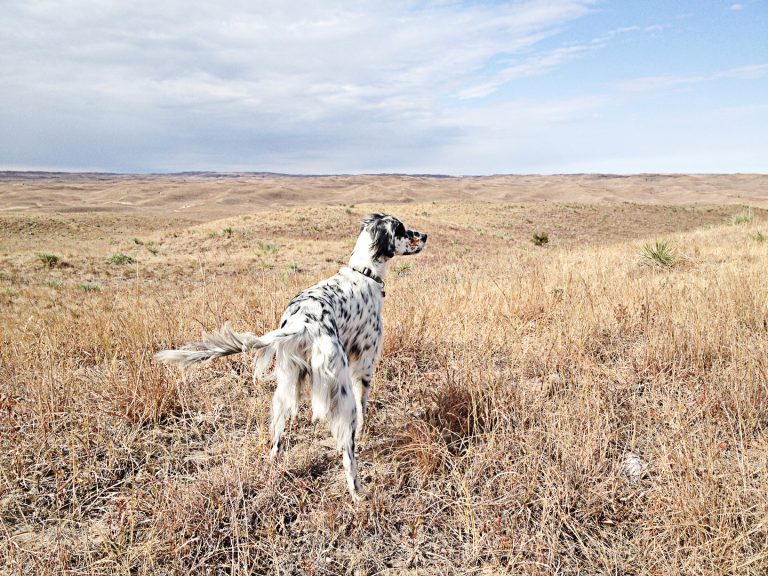
It’s easy to forget what it’s like to bring a young dog to the field. And it is truly revealing just how dependent one can get on a trusted and trained dog. I could have brought Wyatt the four-year-old lab along on this little adventure. He’s got the game down. He knows all the moves,…
-
Garmin inReach Mini
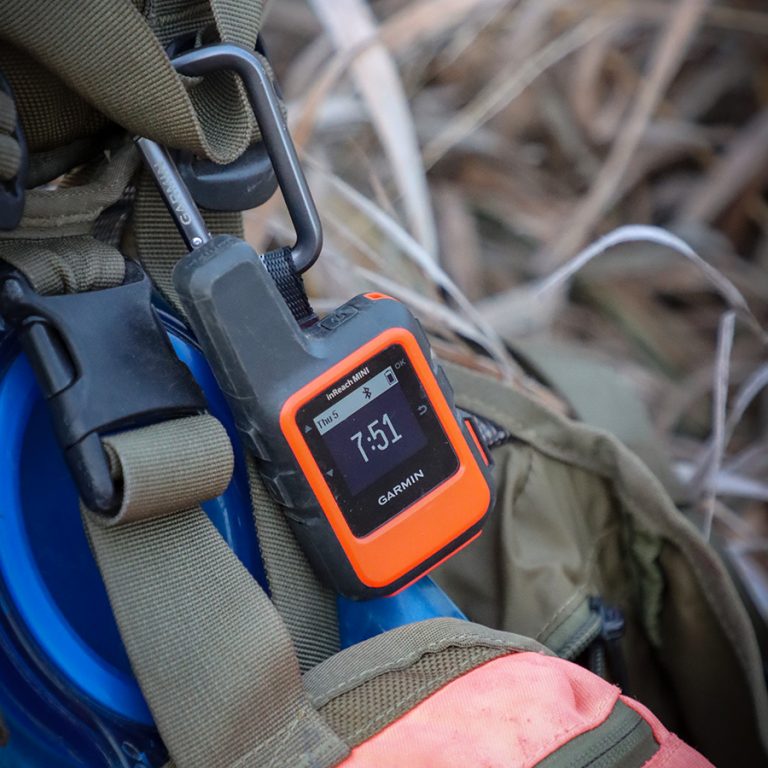
For those of you who followed along (literally) during our early upland season, you were able to track all our hunts in real-time thanks to Garmin’s inReach Mini satellite communicator. What you didn’t get to see is regardless how far off the grid we were hiking or hunting, we were always able to send and…
-
Conservation’s Invisible Birds
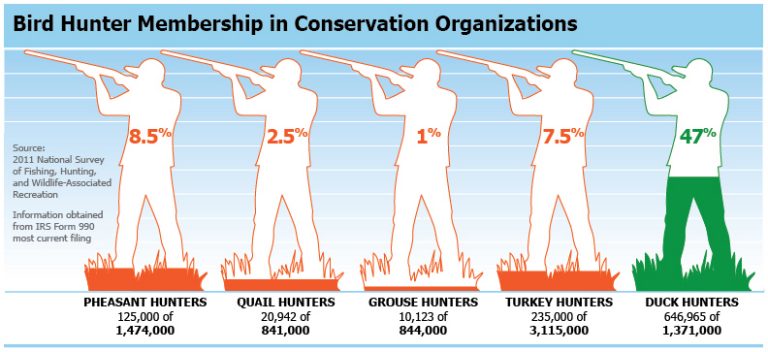
As hunters, we often look to conservation organizations to protect and enhance hunting opportunities or address the critical habitat issues facing upland birds. Yet, many of us are not even members of the organizations we look to for support. For example, the nation’s largest quail organization recently announced its membership topped 15,000. This represents 1.8%…
-
Coleman Steel-Belted Portable Cooler, 54 Quart
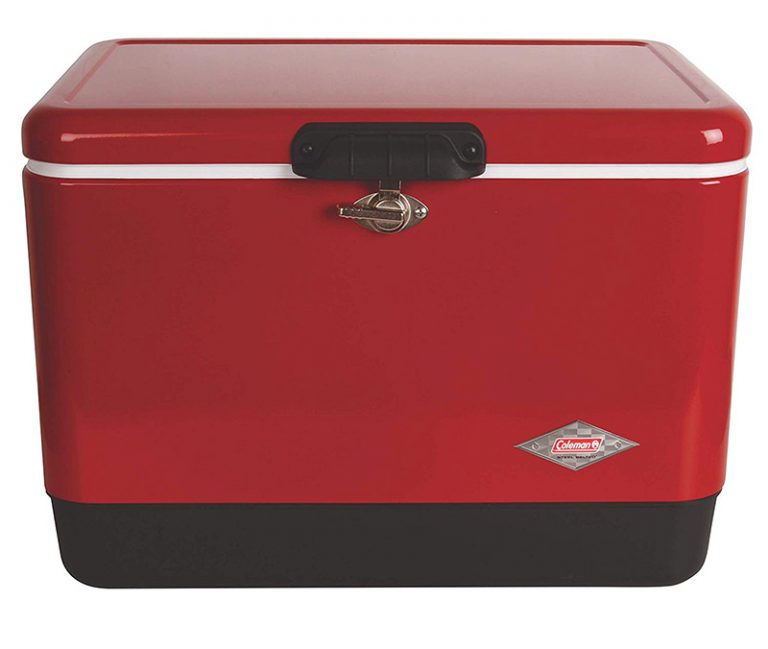
Yes, I know, everyone and their brother has a roto-molded, armageddon-proof cooler that costs more than their actual freezer. There are umpteen companies now competing in the space, basically making the same heavy cooler with thick walls leaving minimal room for actual cooler contents. But, I had a space problem. I needed a cooler that…
-
Thermacell Backpacker
Biting bugs can ruin a backcountry trip. Since most of our hunting occurs after the frosts of fall, insects are rarely a nuisance. But when training in the off-season or even hunting in early-season those bugs can be absolutely maddening. I was one of the original testers of the Thermacell Backpacker at high elevation. The…
-
Bird Hunting Karma Exists
The idea that what goes around comes around can be captured in the simple word Karma. Go ahead and scoff if that hocus pocus doesn’t sit well with you, but Karma isn’t magic and bird hunting karma is definitely real. I believe that in the field, if you opt for what is right, even though…