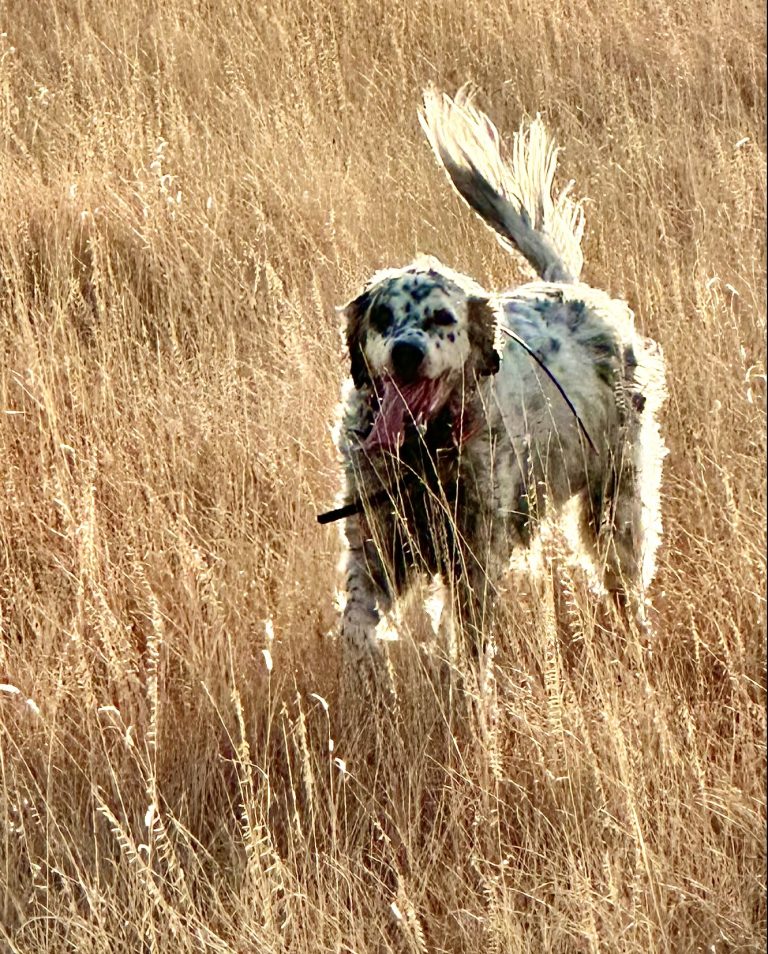
Missouri Bird Hunting
Seasons Span November 1 – January 15, 2027

State Drought Monitor – Upland hunting conditions are often highly dependent upon moisture for both habitat production and bird survival.
Missouri Upland Game Bird Hunting Overview
State DNR & Licensing Information
Upland and migratory game bird hunting in Missouri is administered by the Missouri Department of Conservation (MDC).
License Requirements & Fees
- Resident Small Game Hunting Permit: $10
- Nonresident Small Game Hunting Permit: $34
- Nonresident Daily Small Game Permit: $11
- Resident Migratory Bird Hunting Permit: $8
- Nonresident Migratory Bird Hunting Permit: $60
- HIP: Required as part of the migratory-bird permitting process.
- The migratory permit is required for dove, woodcock, rails and snipe. (Missouri Department of Conservation)
Season Dates & Bag Limits — 2026–2027
Northern Bobwhite Quail
- Youth: October 24–25, 2026
- Regular Season: November 1, 2026–January 15, 2027
- Daily Limit: 8
- Possession Limit: 16 (Missouri Department of Conservation)
Ring-Necked Pheasant
- Youth: October 24–25, 2026
- Regular Season: November 1, 2026–January 15, 2027
- Daily Limit: 2 males
- Possession Limit: 4 males (Missouri Department of Conservation)
American Woodcock
- Season: October 18–December 1, 2026
- Daily Limit: 3
- Possession Limit: 9 (Missouri Department of Conservation)
Mourning Dove
- Season: September 1–November 29, 2026
- Daily Limit: 15
- Possession Limit: 45 (Missouri Department of Conservation)
Weather Assessment & Bird Hunting Outlook
Survey Methodology
MDC has particularly useful long-term data for Missouri upland birds:
- Quail & Pheasant Roadside Survey: August counts along standardized 30-mile routes in 111 counties.
- Pheasant & Quail Brood Survey: Observations of adults, broods and chicks from June through October.
- Historical Hunter Surveys: Used by MDC to track long-term quail population trends. (Missouri Department of Conservation)
The 2025 roadside survey found quail abundance 20% below 2024, while pheasant numbers increased 14%. MDC also reported that areas with good habitat continued to produce good quail productivity. (Missouri Department of Conservation)
Weather Impact & Habitat Conditions
- Quail: Spring and summer weather affects nesting and brood survival, but habitat remains the dominant long-term factor.
- Pheasant: Grassland, crop and nesting-cover conditions are critical; weather during nesting and brood-rearing can substantially affect recruitment.
- Woodcock: Moist soils, brushy bottomlands and young forest are important. October rainfall and northbound cold fronts can dramatically improve migration conditions.
- Dove: Crop maturity, harvested fields, sunflowers and early-season weather fronts determine local concentrations.
- Snipe/Rails: Wetland and soil-moisture conditions are the primary short-term factors.
Missouri experienced generally wetter-than-normal conditions across portions of the state during June 2026, including substantial rainfall events in southern Missouri. Columbia’s June temperatures averaged slightly below normal, while St. Louis was also slightly below normal. (National Weather Service)
2026–27 Statewide Population Outlook
- Northern Bobwhite Quail — FAIR: The 2025 statewide index declined 20% from 2024, but MDC continues to find good productivity where habitat is properly managed. The strongest opportunities should be in northern and western Missouri agricultural landscapes with substantial brushy cover and grassland. (Missouri Department of Conservation)
- Ring-Necked Pheasant — GOOD: The 2025 index increased 14% from 2024. Northwestern Missouri remains the state’s strongest pheasant region, particularly where grassland and agricultural cover are well connected. (Missouri Department of Conservation)
- American Woodcock — GOOD: Missouri is an important migration state, with MDC specifically identifying northern Missouri as the best portion of the state during the fall migration. (Missouri Department of Conservation)
- Mourning Dove — GOOD: Broad agricultural habitat and managed fields provide reliable opportunity, particularly in western, central and southern Missouri.
- Snipe — FAIR–GOOD: Wet conditions could provide favorable habitat in portions of the state, but opportunities will be highly localized.
- Rails — FAIR: Limited and dependent on suitable wetland habitat.
Overall Missouri Outlook: GOOD–EXCELLENT. Missouri remains one of the better all-around upland states in the Midwest, combining strong pheasant country in the northwestern portion of the state, a still-significant bobwhite population, and excellent woodcock migration opportunities. The 2025 quail decline keeps the outlook below exceptional, but the increase in pheasant abundance and good productivity in quality quail habitat are encouraging signals for 2026–27. (Missouri Department of Conservation)
This summary covers the key upland bird species and requirements for the 2025-26 season in Missouri. For precise details, especially for Wilson’s snipe or any updates to fees and regulations, refer to the MDC’s official resources.
-
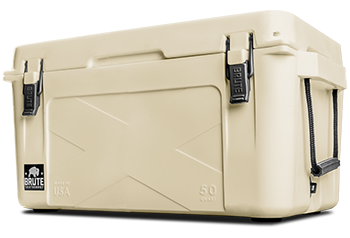
The Brute Cooler
The Brute Cooler is appropriately named — hard core, roto-molded, large handles, rubber latches — it’s got it all. Made in America by Brute, a family run company with excellent customer service. The 50 qt. ($319) will keep your birds chilled for at least five days, but go with the 75 qt. ($369) if you want…
-
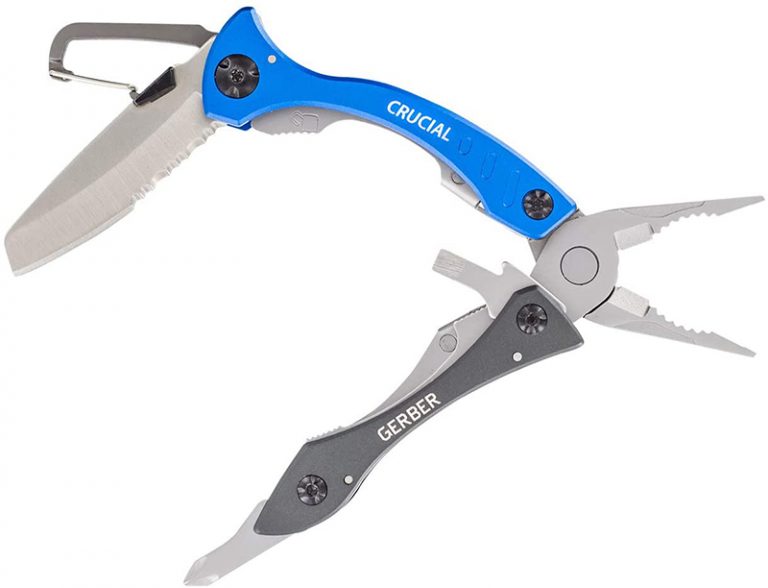
Gerber Crucial
Weight, weight, weight… no, seriously. I have carried a multi-tool in my bird vest for years. And the number of times I used that massive have-it-all tool with something for every eventuality over the course of those years…… zero. Because of the rigors of this season of Way Upland, I broke down all my gear…
-
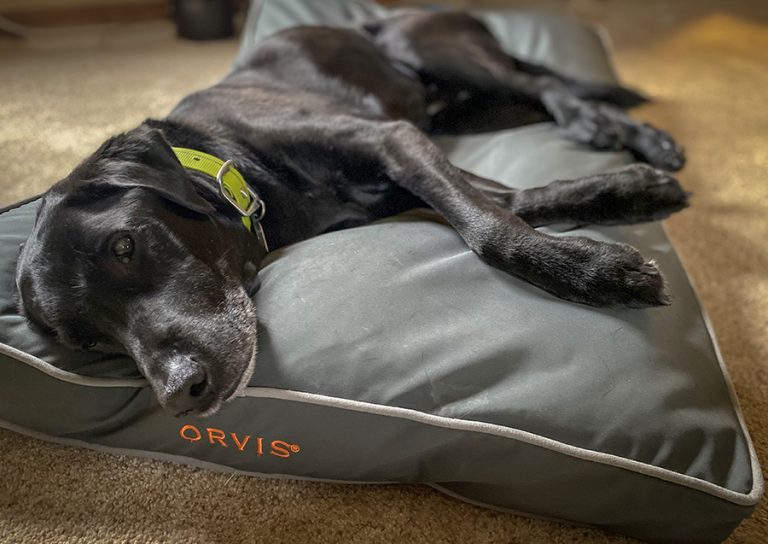
Orvis ComfortFill-Eco Softshell Dog Bed
My bird dogs rarely just plunk down on a bed. It’s a whole process where they turn circles, try digging a hole completely through it, turn a few more circles the opposite direction and then settle in once they have verified the legitimacy of a sleeping spot. Orvis constructs their ComfortFill-Eco Softshell Dog Bed with…
-
Open Letter to Governor John Kasich
Governor Kasich: Ohio’s wildlife and wild spaces are no place for power-brokering or politics. Despite over 30 conservation and sporting organizations and five retired Ohio Division of Wildlife chiefs calling for modest price increases in Ohio hunting and fishing licenses, the Ohio Division of Natural Resources Director James Zehringer, Assistant Directors Fred Shemp and Gary…
-
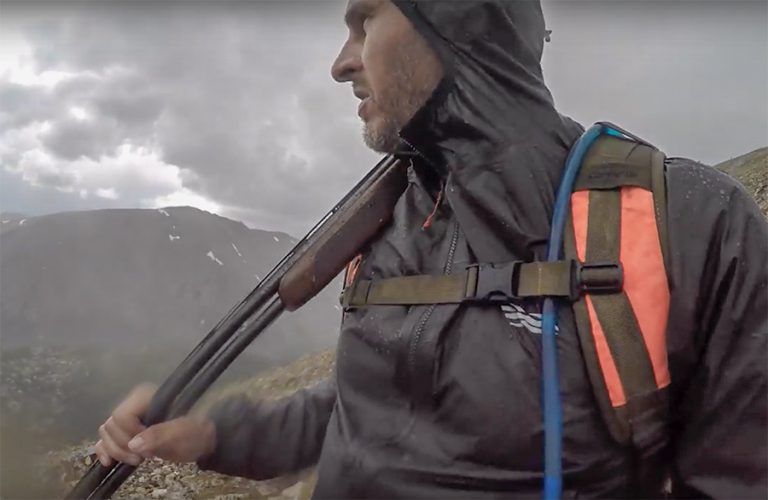
Sitka Gear Vapor SD Jacket
Heading into the backcountry, weight and packability are always top concerns for gear. Sitka’s Vapor SD Jacket compresses small and weighs so little it’s easy to forget tucked in the corner of the bird vest. But weather in the mountains can be unpredictable and unforgiving and when the skies open up and the sleet starts…
-
Rio Flufferbunny
It was fall when she came to us on a plane from New Mexico, all legs and ears and sharp puppy teeth. She pointed from the womb — butterflies, song birds, turtles, tufts of grass stirred by a breeze — nothing was safe from her glare. As our first setter, I was unsure of the…