Illinois Bird Hunting
Seasons Span November 2 – January 15, 2027

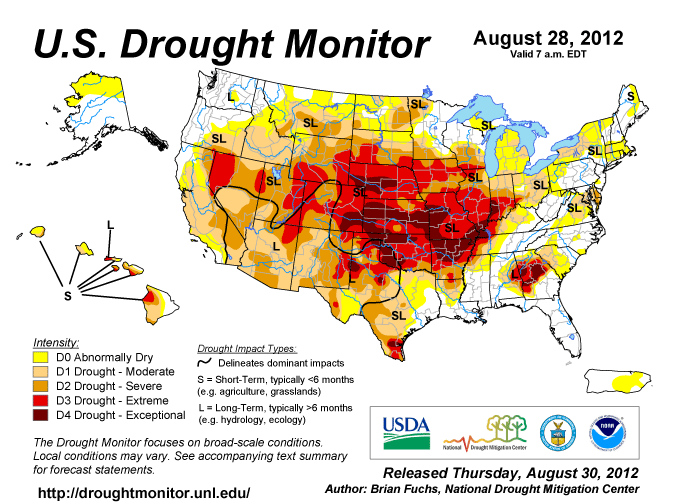
State Drought Monitor – Upland hunting conditions are often highly dependent upon moisture for both habitat production and bird survival.
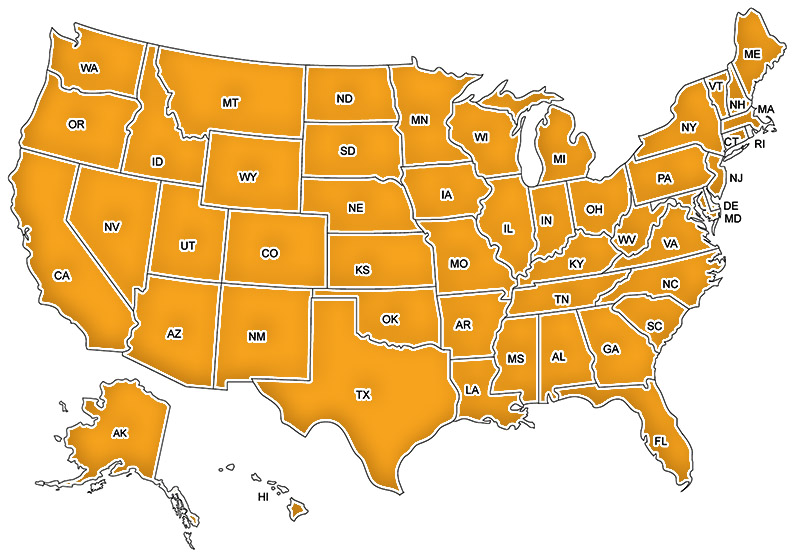
Official License Fees (Illinois Department of Natural Resources)
- Resident Base Hunting License: $12.00
- Resident Senior Hunting License (Ages 65–74): $6.00
- Resident Super Senior License (Ages 75+): $1.00
- Resident Sportsman’s Combination (Hunt/Fish): $25.50
- Youth Hunting/Trapping License (Under 18): $7.00
- Nonresident Base Hunting License: $57.00
- Nonresident 5-Day Hunting License: $35.00
- State Habitat Stamp (Required for 18+): $5.50
Season Dates, Daily Bag Limits & Possession Limits
Ring-necked Pheasant (Roosters Only)
- Season Dates:
- North Zone: First Saturday in November – January 8
- South Zone: First Saturday in November – January 15
- Daily Bag Limit: 2 roosters
- Possession Limit: 6 roosters
Northern Bobwhite Quail
- Season Dates:
- North Zone: First Saturday in November – January 8
- South Zone: First Saturday in November – January 15
- Daily Bag Limit: 8 birds
- Possession Limit: 20 birds
Hungarian (Gray) Partridge
- Season Dates:
- North Zone: First Saturday in November – January 8
- South Zone: First Saturday in November – January 15
- Daily Bag Limit: 2 birds
- Possession Limit: 6 birds
American Woodcock
- Season Dates: Mid-September – Mid-November (45-day federal framework)
- Daily Bag Limit: 3 birds
- Possession Limit: 9 birds
Weather Assessment & Bird Hunting Outlook
According to annual field surveys conducted by the Illinois Department of Natural Resources (IDNR), mild winter conditions across central and southern Illinois helped bolster overwinter survival for bobwhite quail and ring-necked pheasants. Spring nesting and early summer brood-rearing periods saw localized precipitation that temporarily impacted low-lying nesting cover, but subsequent warm and dry summer weather provided strong insect production and good chick survival in undisturbed native grass and Conservation Reserve Program (CRP) stands. While overall upland populations remain heavily dependent on localized habitat quality, core agricultural edge habitats and public State Fish and Wildlife Areas with active prairie management offer solid prospects for northern bobwhite and wild pheasant hunters.
This summary provides a concise overview, but hunters should verify all details with official IDNR sources to ensure compliance.
-
The Last Bird: Living in the Upland Death Spiral
Most of the upland birds around here vanished during the Storm of the Century that dumped 30 inches of snow atop a base of frozen rain accompanied by -60° wind chill. Though game birds were on a downward trajectory long before that fateful day, the 43 years since have shown there’s little hope for any…
-
Pheasant Defying Drought….. For Now
There has been a lot of news about the terribly dry conditions across the bulk of the country this year. This news sparked many early negative predictions for the upland populations. If you read much about the lifecycle of upland birds though, most don’t require much water when they are young. So unlike harsh winters…
-
Buffalo Phez Mac N Cheez
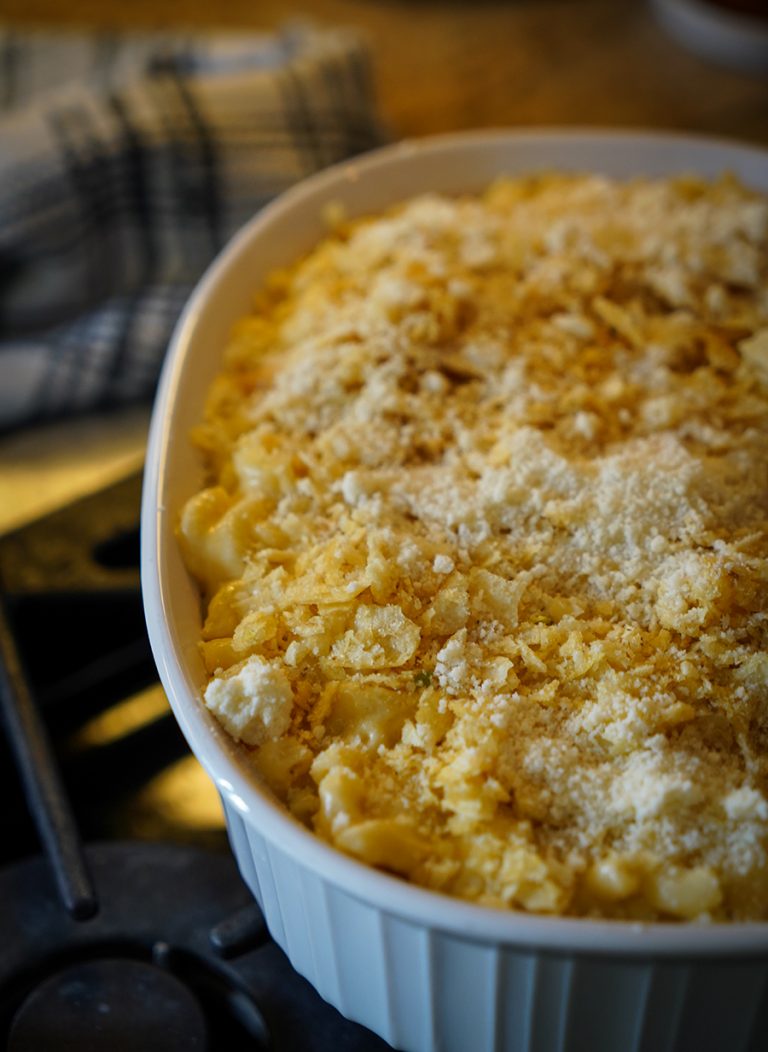
Came up with this recipe while we were hunting in the late season and pulled it together for a camp dinner. That initial round was a hit with the Kansas crew after a long, cold day afield. Hence, I jotted down a few notes and tried it again indoors. Late season roosters can be tough…
-
Tough Old Rooster Cakes
How do you know when you’ve harvested a three-year-old rooster? When you have to chew it until the next season to swallow it. Tough old birds are challenging and fun to chase. But part of that challenge is making them fit for the table. On principle, most hunters will choke down just about anything they shoot —…
-
Grilled Pheasant + Mojo Sauce
This spatchcocked, grilled pheasant is probably one of the more satisfying meals I have made with wild game to date. The crispy skin is full of flavor from a homemade dry rub, the meat is tender and juicy, and the citrus-garlic Mojo sauce is so delicious. Cuban Mojo Sauce This Mojo sauce has it all:…
-
Hunting in the Shadow of Roosevelt
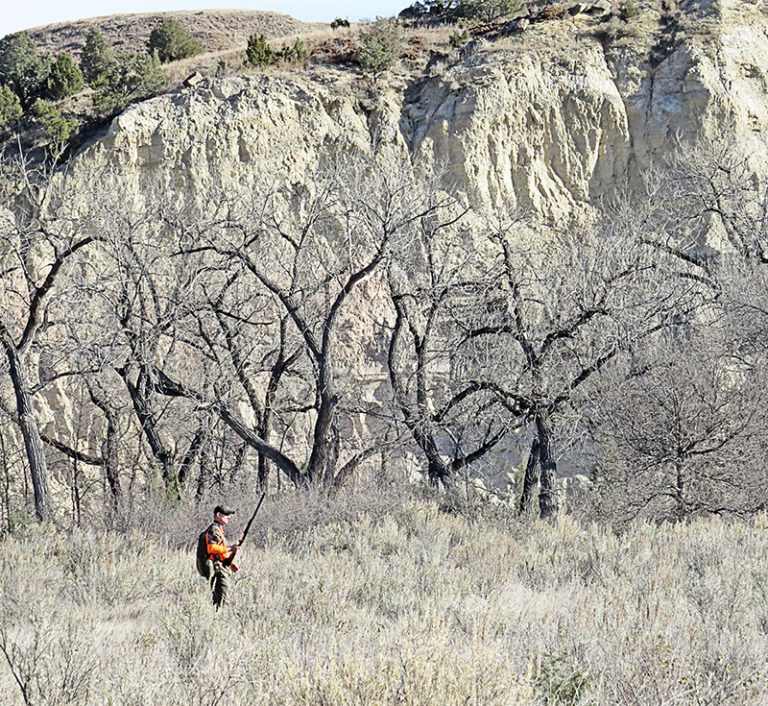
When I hunt in North Dakota, my thoughts often drift to Teddy Roosevelt’s days at Elkhorn Ranch — He named his Dakota home for a pair of locked elk skulls he found at the site. Today, centrally located within the million acres of the Little Missouri National Grasslands, Elkhorn is a great place to visit…