West Virginia Bird Hunting
Seasons Span October 17 – February 28, 2027

State Drought Monitor – Upland hunting conditions are often highly dependent upon moisture for both habitat production and bird survival.
West Virginia Upland Game Bird Hunting Overview
State DNR & Licensing Information
Upland game bird hunting in West Virginia is administered by the West Virginia Division of Natural Resources (WVDNR).
License Requirements & Fees
- Resident Annual Hunting License: $19
- Nonresident Annual Hunting License: $119
- Resident Sportsman License: $33
- Nonresident Small Game License: $57
- Migratory Bird HIP Registration: Required for woodcock, snipe, dove and rails.
- Additional stamps/permits may apply depending on license type and species.
Season Dates & Bag Limits — 2026–2027
Ruffed Grouse
- Season: October 17, 2026 – February 28, 2027
- Daily Limit: 4
- Possession Limit: 16
Bobwhite Quail
- Season: November 7, 2026 – January 2, 2027
- Daily Limit: 3
- Possession Limit: 9
- Note: Closed on Tomblin WMA.
Ring-Necked Pheasant
- Statewide: November 7, 2026 – January 2, 2027
- Daily Limit: 2 cock birds
- Possession Limit: 2
- Hillcrest WMA: November 14 – December 5, 2026; daily limit 1 cock.
American Woodcock
- First Segment: October 17 – November 21, 2026
- Second Segment: November 30 – December 8, 2026
- Daily Limit: 3
- Possession Limit: 9
Mourning Dove
- First Segment: September 1 – October 11, 2026
- Second Segment: November 2 – November 15, 2026
- Third Segment: December 7, 2026 – January 10, 2027
- Daily Limit: 15
- Possession Limit: 45
WVDNR released the 2026–27 regulations in June and subsequently finalized the migratory bird dates in July. (WVDNR)
Weather Assessment & Bird Hunting Outlook
Survey Methodology
West Virginia does not currently have a strong statewide annual grouse population survey. WVDNR discontinued its Grouse Hunter Cooperator Survey after the 2024–25 season because of extremely low participation. Its 2025 mast survey and other wildlife surveys provide supporting biological information. (WVDNR)
For this forecast, I therefore weighted:
- WVDNR grouse and mast information;
- winter severity and snow conditions;
- spring precipitation and temperatures;
- summer moisture;
- NOAA climate data;
- U.S. Drought Monitor conditions;
- long-term habitat trends.
Weather Impact & Habitat Conditions
- Winter 2025–26 — MIXED: The Northeast had its coldest winter since 2014–15, with prolonged snow cover. West Virginia also experienced below-normal precipitation during portions of the winter, with drought developing in parts of the state. (Drought.gov)
- Spring 2026 — NEGATIVE/MIXED: Moisture deficits persisted into spring in portions of the state, particularly eastern West Virginia.
- Summer 2026 — MIXED: West Virginia’s January–June precipitation ranked 30th driest since 1895, 2.82 inches below normal. June, however, was the state’s 49th-wettest June, providing some late-season moisture recovery. (Drought.gov)
- Current drought: Drought remains present but has improved substantially in recent weeks. (Drought.gov)
Overall, this is not an ideal moisture year, but neither is it a severe statewide drought year.
2026–27 Population Outlook
Ruffed Grouse — FAIR
WVDNR’s most recent biological assessment found abundant hard mast and specifically noted that grouse harvest was expected to be similar to the previous year. Young forest remains the critical habitat component. (WVDNR)
The cold winter may have increased energetic stress, while the dry first half of 2026 is unfavorable for brood-rearing. However, June rainfall provided some improvement.
Best prospects: Young forest, recent timber cuts, beech and chestnut-oak areas.
Forecast: FAIR.
Bobwhite Quail — POOR
West Virginia’s bobwhite population is extremely limited compared with historical levels. Habitat availability is the primary constraint, and the 2026 dry period does not provide a strong reason to expect significant improvement.
Forecast: POOR.
Ring-Necked Pheasant — FAIR
Wild pheasant numbers are limited, but the statewide cock-bird season and Hillcrest WMA provide opportunities. Weather is less important here than habitat and localized bird availability.
Forecast: FAIR, with the best prospects on managed agricultural ground and Hillcrest WMA.
American Woodcock — FAIR–GOOD
The dry first half of 2026 is a negative for soil moisture and earthworm availability, but late-summer moisture recovery and the migratory nature of woodcock reduce the importance of statewide summer conditions.
Forecast: FAIR–GOOD, particularly following favorable fall migration weather.
Wilson’s Snipe — FAIR
Dry conditions have reduced some ephemeral wetland habitat, but permanent wetlands, wet meadows and agricultural areas should remain productive.
Forecast: FAIR.
Mourning Dove — FAIR
Doves are relatively resilient to the weather pattern. Agricultural fields and areas with reliable water should provide the best opportunities.
Forecast: FAIR.
Sora & Virginia Rails — FAIR–POOR
The moisture deficit is a negative for shallow marshes and temporary wetlands. Permanent wetlands should offer the best opportunities.
Forecast: FAIR–POOR.
Overall West Virginia Outlook: FAIR
West Virginia looks better than the current drought statistics alone might suggest, but not as strong as a wet Appalachian year.
The biggest negative is the 2.82-inch precipitation deficit through June, which followed a relatively dry winter and spring. The positive is that June was substantially wetter than normal, and current drought conditions have begun improving. (Drought.gov)
For grouse, the biological picture is mixed. WVDNR’s most recent mast survey found abundant hard mast and expected grouse harvest to remain similar to the previous year, but the state’s long-term habitat issue—insufficient young forest—remains significant. (WVDNR)
Best 2026 Bets
Ruffed Grouse: Recent timber cuts and young forest, particularly where beech and oak mast are available.
Woodcock: Moist creek bottoms, alder and young forest; migration weather will be important.
Pheasant: Hillcrest WMA and managed agricultural habitat.
Snipe: Permanent wetlands and wet agricultural ground.
Dove: Agricultural fields near reliable water.
Forecast Confidence: Moderate
The climate assessment is relatively strong, but the grouse population assessment has lower confidence because WVDNR discontinued its dedicated hunter-cooperator survey. (WVDNR)
Bottom line: West Virginia looks like a FAIR upland bird year. Ruffed grouse remain the state’s principal wild upland opportunity, but habitat—not just weather—is limiting. Woodcock may actually offer the most upside if fall migration conditions are favorable. Bobwhite remains a very limited opportunity, while pheasant prospects are concentrated on managed properties. (WVDNR)
-
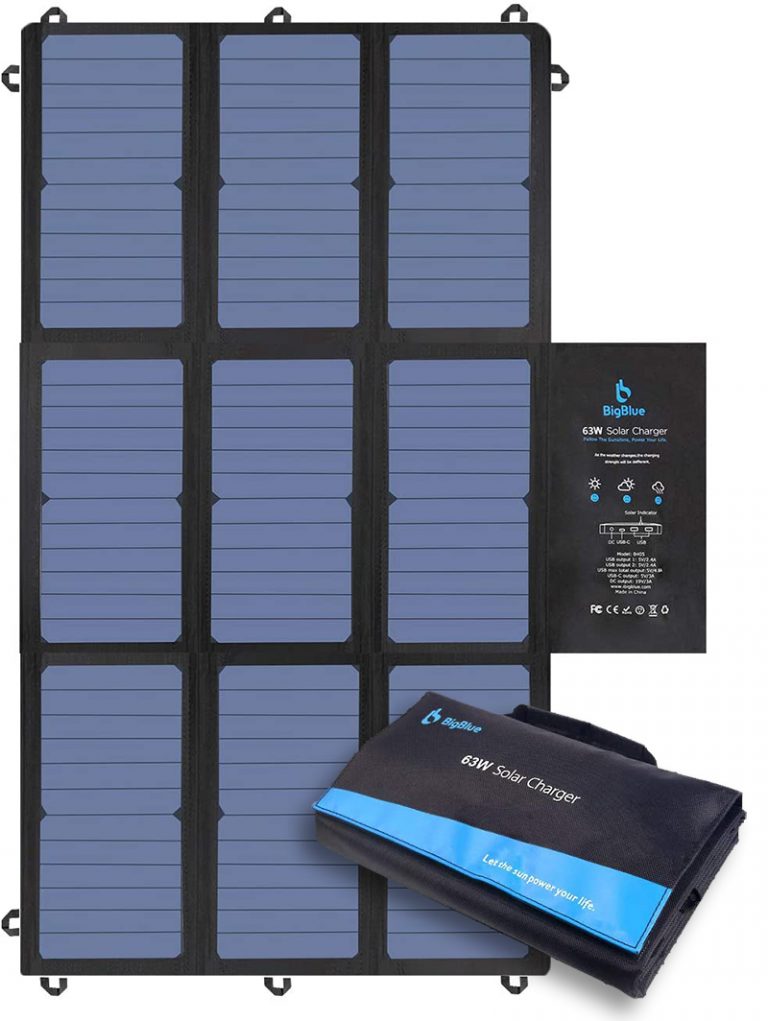
BigBlue 63W Portable Solar Charger
Phones, cameras, watches, navigation devices, satellite messengers — our trips require a lot of power. Normally I don’t even talk about our plugin requirements because it’s one of the necessary yet annoying distractions from the wild when documenting trips to share with others. But the performance of the BigBlue 63W solar panel was so good…
-
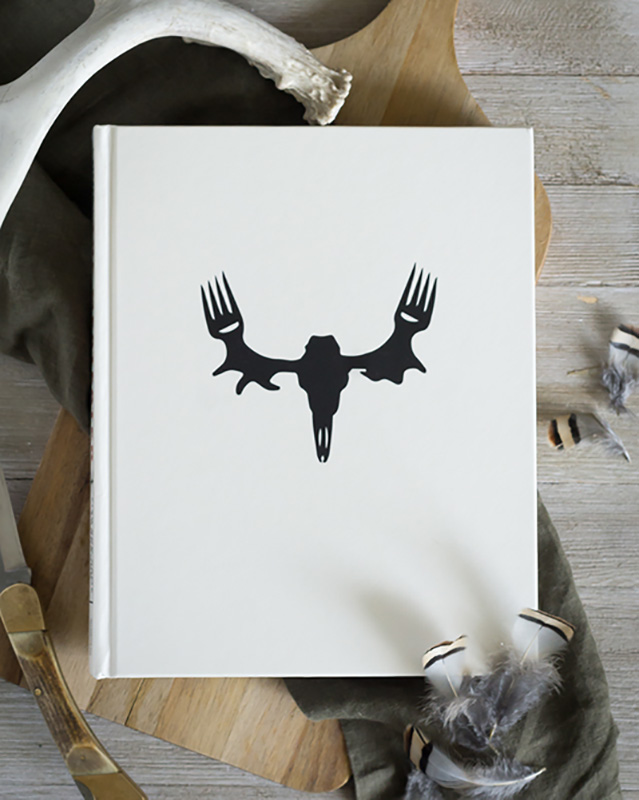
The MeatEater Fish & Game Cookbook by Steven Rinella
As the MeatEater wild foods cooking contributor, I can honestly say that Steven Rinella’s MeatEater Fish & Game Cookbook belongs on every hunter and angler’s bookshelf. This book is filled with incredibly beautiful images of the hunt and delicious recipes for a variety of wild game. Perhaps the most helpful aspect of this book is…
-
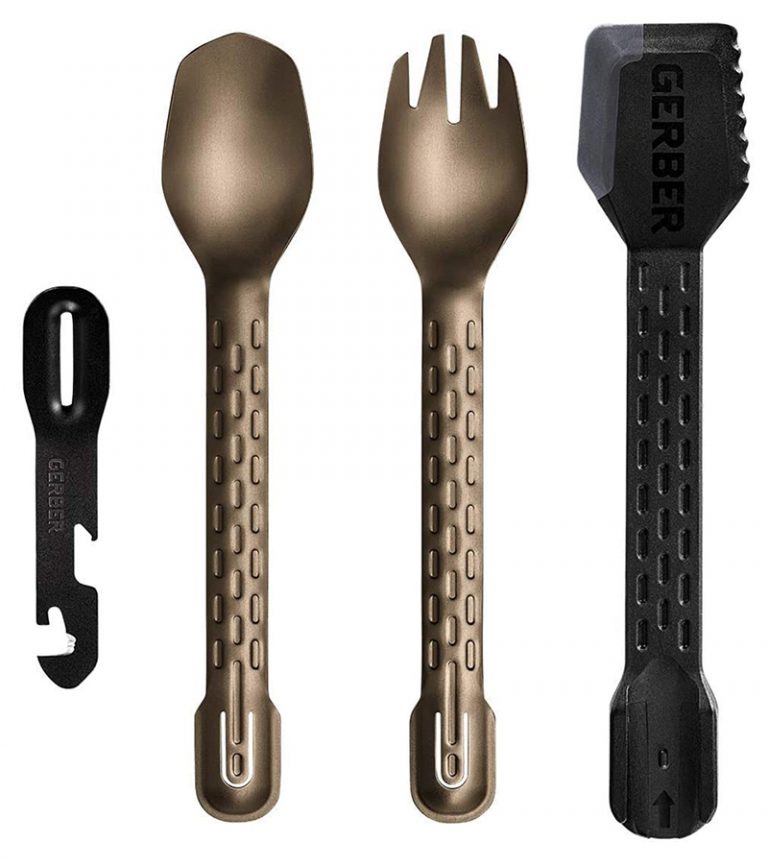
Gerber ComplEAT
Alex and I were huddled around burners staring at cookpots waiting for water to boil on the inaugural night of a backcountry trip. It was my first opportunity to pull out the Gerber ComplEAT — I saw the look of derision on Alex’s face. I can’t really blame him because these utensils don’t look like…
-
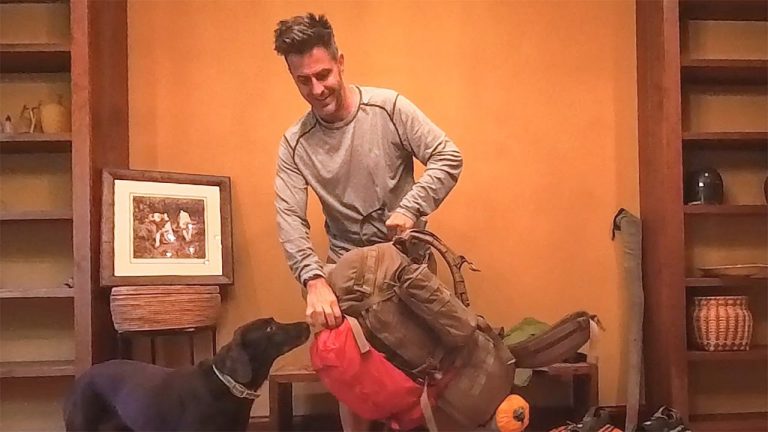
Planning, Planning and More Planning
Big trips take lots of planning. After months of training, staging gear and working through contingencies, it’s all come down to the packing. The upland season is upon us.
-
Peltor Sport SecureFit 400 Glasses, 3 Pack
Eye protection has become a part of all my bird hunts in recent years – it just makes sense to avoid the risk of lost vision for future hunts. Peltor found a way to make it easy on the pocket book as well. The Sport SecureFit 400 come in a multipack with lens colors for…
-
Eddie Bauer and Barbour Vests
The Eddie Bauer Micro Therm StormDown Vest or padded vest by Barbour offer the perfect form-fitting mid-layer for the field.