Wisconsin Bird Hunting
Seasons Span September 12 – January 3, 2027

State Drought Monitor – Upland hunting conditions are often highly dependent upon moisture for both habitat production and bird survival.
Wisconsin Upland Game Bird Hunting Overview
State DNR & Licensing Information
Upland game bird hunting in Wisconsin is administered by the Wisconsin Department of Natural Resources (WDNR).
License Requirements & Fees
- Resident Small Game License: $18
- Nonresident Small Game License: $90
- Nonresident 5-Day Small Game License: $60
- Pheasant Stamp: $10
- HIP Certification: Required for migratory game birds such as woodcock, snipe and dove. (Wisconsin DNR)
Season Dates & Bag Limits — 2026–2027
Ruffed Grouse
- Zone A: September 12, 2026 – January 3, 2027
- Daily Limit: 5
- Possession Limit: 15
- Zone B: October 17 – December 8, 2026
- Daily Limit: 2
- Possession Limit: 6
Ring-Necked Pheasant
- Season: October 17, 2026 – January 3, 2027
- Daily Limit: 1 rooster opening weekend; 2 thereafter
- Possession Limit: 3 opening weekend; 6 thereafter
Gray (Hungarian) Partridge
- Season: October 17, 2026 – January 3, 2027
- Daily Limit: 3
- Possession Limit: 9
- Closed: Clark, Marathon and Taylor counties
Bobwhite Quail
- Season: October 17 – December 9, 2026
- Daily Limit: 5
- Possession Limit: 15
Sharp-Tailed Grouse
- No season in 2026.
American Woodcock
- Season: September 19 – November 2, 2026
- Daily Limit: 3
- Possession Limit: 9
Mourning Dove
- Season: September 1 – November 29, 2026
- Daily Limit: 15
- Possession Limit: 45
Wisconsin’s 2026 regulations are now finalized and published by WDNR. (Wisconsin DNR)
Weather Assessment & Bird Hunting Outlook
Survey Methodology
Wisconsin is one of the better states for this analysis because WDNR has long-running biological surveys. Ruffed grouse have been monitored through roadside drumming surveys since 1964 and brood surveys since 1970. Pheasants are monitored through spring roadside surveys, while summer observations provide additional brood-production information. (Wisconsin DNR)
For 2026, I weighted those surveys against NOAA/NCEI climate data and U.S. Drought Monitor information, including winter severity, spring moisture and summer conditions.
Weather Impact & Habitat Conditions
- Winter 2025–26 — MIXED: Wisconsin experienced considerable temperature and precipitation variability. The Midwest winter ranged from substantially colder than normal to near normal, with precipitation varying from 50–200% of normal. (Drought.gov)
- Spring 2026 — FAVORABLE: Spring moisture conditions were generally adequate, supporting nesting and brood-rearing vegetation.
- Summer 2026 — FAVORABLE: Wisconsin’s January–June precipitation ranked 19th wettest since 1895, 3.44 inches above normal. June was also wetter than normal. (Drought.gov)
- Current conditions: Drought has developed in portions of the state despite the wet first half of the year, so localized conditions vary considerably. (Drought.gov)
Overall, Wisconsin’s 2026 weather profile is favorable for upland birds, particularly compared with drought-affected western states.
2026–27 Population Outlook
Ruffed Grouse — GOOD
Wisconsin’s 2026 survey indicates the population remains on its long-term upward portion of the cycle. WDNR reports the population trend is tracking the 10-year cycle, while the 2025 survey was still substantially above the five-year average. (Wisconsin DNR)
The long-term limitation is forest maturation, which continues to reduce young-forest habitat. (Wisconsin DNR)
Best prospects: Northern Wisconsin, particularly young aspen and recent timber harvests.
Forecast: GOOD.
Ring-Necked Pheasant — GOOD
The 2026 spring survey recorded 0.73 pheasants per stop, down slightly from 0.81 in 2025 but still well above the five-year average of 0.56. This is the third consecutive year above average. (Wisconsin DNR)
Northwestern Wisconsin remains the strongest pheasant region.
Forecast: GOOD.
Gray Partridge — FAIR–GOOD
Agricultural habitat and adequate summer moisture provide a favorable setup, although populations are considerably less widespread than pheasants.
Forecast: FAIR–GOOD.
Bobwhite Quail — POOR
Wisconsin has a small, localized bobwhite population, and the state does not have the broad quail habitat found farther south.
Adequate weather helps, but habitat and range remain the primary limitations.
Forecast: POOR.
American Woodcock — GOOD
WDNR reports Wisconsin’s woodcock population as stable, with the state’s 10-year trend actually increasing despite longer-term declines nationally and regionally. Wisconsin remains one of the country’s top woodcock-harvest states. (Wisconsin DNR)
The wet 2026 growing season is favorable for soil moisture and invertebrate availability.
Forecast: GOOD.
Wilson’s Snipe — GOOD–FAIR
Above-normal precipitation should benefit wet meadows, marsh edges and other feeding habitat, although local water conditions will determine success.
Forecast: GOOD–FAIR.
Mourning Dove — GOOD–FAIR
The generally favorable growing season should provide abundant agricultural and weed-seed food sources.
Forecast: GOOD–FAIR.
Overall Wisconsin Outlook: GOOD
Wisconsin is shaping up as one of the stronger upland-bird states in the eastern half of the country for 2026.
The biological data are unusually encouraging. Pheasant numbers remain above their five-year average for the third consecutive year, while ruffed grouse remain on the favorable portion of their population cycle. (Wisconsin DNR)
The weather picture also supports production: Wisconsin’s January–June precipitation was 3.44 inches above normal and ranked 19th wettest since 1895. (Drought.gov)
Best 2026 Bets
Ruffed Grouse: Northern Wisconsin, particularly young aspen and recent cuts.
Pheasant: Northwestern agricultural country.
Woodcock: Northern forests with young forest, alder and wet cover. WDNR specifically recommends its FFLIGHT tool for locating likely woodcock habitat. (Wisconsin DNR)
Gray Partridge: Agricultural country, particularly where grass and grain habitat remain intact.
Snipe: Wet meadows and marsh edges.
Forecast Confidence: High
Wisconsin has unusually strong biological monitoring, and the 2026 pheasant and ruffed grouse surveys are already available, eliminating much of the uncertainty we have encountered in several other states. (Wisconsin DNR)
Bottom line: Wisconsin looks like a GOOD upland bird year. Ruffed grouse are riding a favorable population cycle, pheasants remain above their recent average, and woodcock populations are stable with an improving 10-year trend. Weather has generally cooperated as well, with a wet first half of 2026 providing good nesting and brood-rearing conditions.
This summary reflects the latest available data as of August 28, 2025. Always verify with the Wisconsin DNR for any updates or changes to season dates, fees, or regulations before hunting.
-
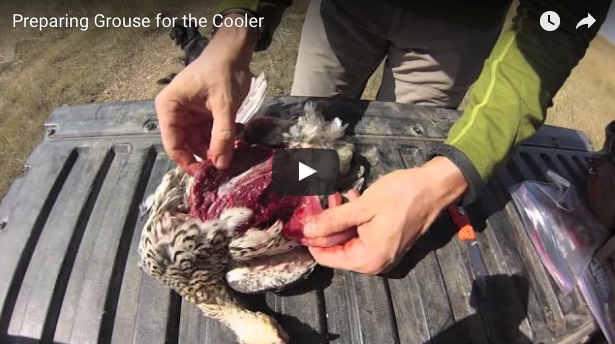
Preparing Birds for the Cooler
Most folks who watch hunting shows on TV or who are new to the sport may never see what happens to birds after they are brought to hand. Because we camp and travel most of the season, often in places where access to fresh water is limited, we like to clean birds in a way…
-
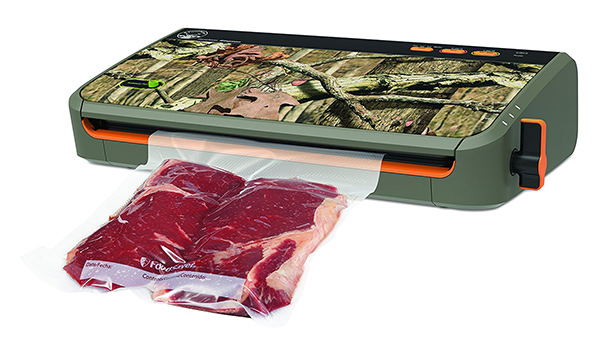
FoodSaver GameSaver Wingman Vacuum Sealing System
It always comes as a surprise to me when I hear people say they freeze their game in ziploc bags or butcher paper. It takes a lot of effort, time and money to hunt wild game. Why wouldn’t we invest in something that will keep our harvest tasting fresh, even after they’ve been frozen…
-
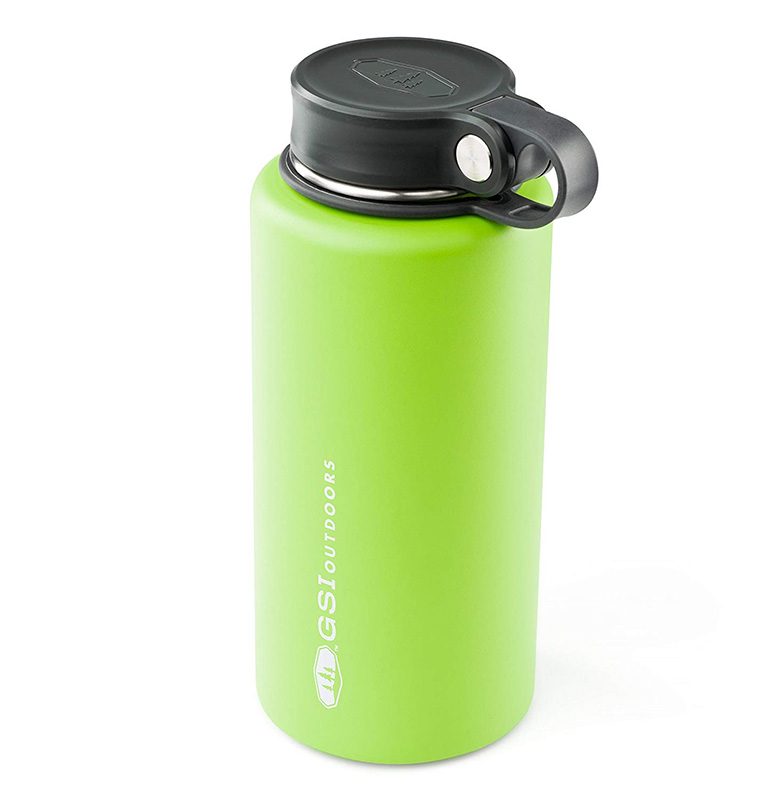
GSI Outdoors – Microlite 1000 Twist
Better than any water bottle on the market, the GSI Microlite weighs the same as the cheap plastic bottles holding 33 ounces of liquid, nearly indestructible and can keep ice for what seems forever. On multiple occasions this season I errantly left a cold drink in my bird vest overnight, only to find it still…
-
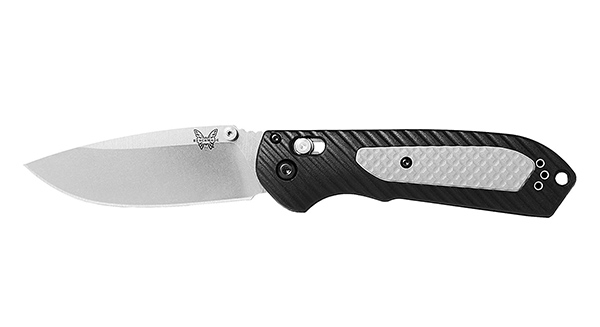
Benchmade 560 Freek
We’re perennial fans of Benchmade knives: high-quality, edge retention, one handed opening, reversible clips on most models. What’s not to like? But here’s what makes the Freek stand out: it’s crazy lightweight. Benchmade has found a way to replace some of the metal components with space-age materials that don’t compromise quality. Unlike other Benchmade models,…
-
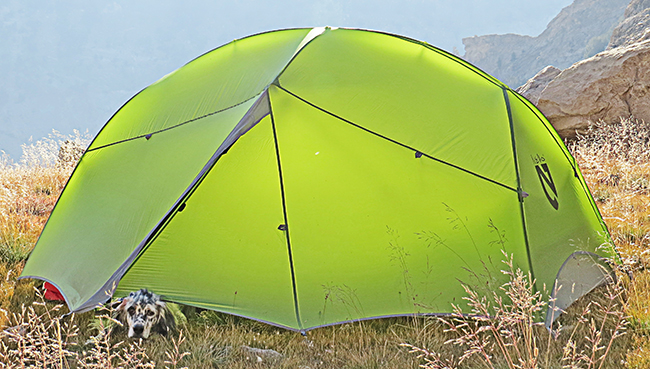
NEMO Equipment Dagger Tent
The NEMO Equipment Dagger 2 Person Tent weighed in a full 2 lbs. lighter than my old backpacking tent. That may not sound like much but when you’re talking about hauling a crammed backpack miles up a mountain over 9,000′ above sea level, those couple pounds are fairly pronounced. We’ve become fans of NEMO’s equipment which is well thought…
-
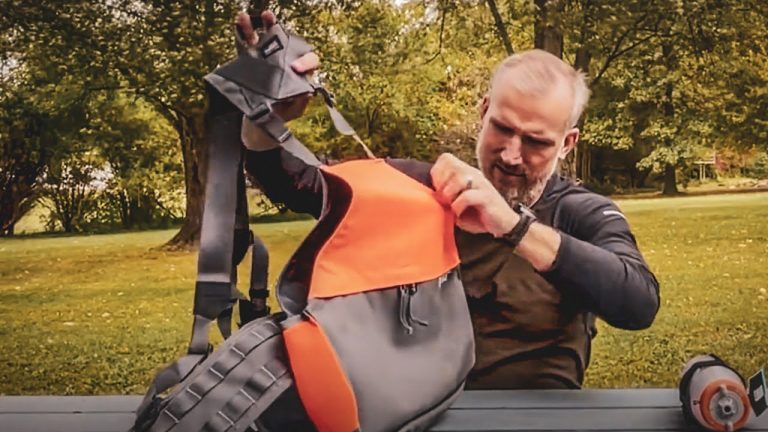
Pyke Wingman Vest Unboxing and Review
After many days afield, guiding and testing, Steve weighs-in with the full review of the Pyke Wingman Upland Strap Vest. This American made vest has garnered a lot of attention from “influencers”, but will it live up to the hype? See what this vest looks like when it’s loaded with our standard carry gear. Get…