Nebraska Bird Hunting
Seasons Span September 1 – January 31, 2027

State Drought Monitor – Upland hunting conditions are often highly dependent upon moisture for both habitat production and bird survival.
Nebraska Upland Game Bird Hunting Overview
State DNR & Licensing Information
Upland game bird hunting in Nebraska is administered by the Nebraska Game and Parks Commission (NGPC).
License Requirements & Fees
- Resident Annual Small Game Hunt Permit: $20
- Nonresident Annual Small Game Hunt Permit: $128
- Nonresident 2-Day Small Game Permit: $89
- Nebraska Habitat Stamp: $25
- HIP Registration: Required for dove, snipe, rails and woodcock.
- Prairie Grouse: Special permit required east of U.S. Highway 81. (Nebraska Game & Parks Commission)
Season Dates & Bag Limits — 2026–2027
Ring-Necked Pheasant
- Youth Season: October 24–25, 2026
- Regular Season: October 31, 2026–January 31, 2027
- Daily Limit: 3 roosters
- Possession Limit: 12
Northern Bobwhite Quail
- Youth Season: October 24–25, 2026
- Regular Season: October 31, 2026–January 31, 2027
- Daily Limit: 6
- Possession Limit: 24
Prairie Grouse
- Season: September 1, 2026–January 31, 2027
- Daily Limit: 3
- Possession Limit: 12
- Note: Special permit required east of U.S. 81.
Mourning & White-Winged Dove
- Season: September 1–October 30, 2026
- Daily Limit: 15
- Possession Limit: 45
American Woodcock
- Season: October 3–November 16, 2026
- Daily Limit: 3
- Possession Limit: 9
Weather Assessment & Bird Hunting Outlook
Survey Methodology
Nebraska has one of the more useful long-term upland datasets in the Great Plains. NGPC uses:
- April and July Rural Mail Carrier Surveys (RMCS)
- Northern Bobwhite Whistle Counts
- Spring and summer field observations
- Regional biologist reports
- Long-term population indices and habitat data
The July RMCS is particularly useful because it measures birds after the nesting and brood-rearing period. (Nebraska Game & Parks Commission)
The problem for a 2026 forecast is that the complete 2026 July survey/outlook is not yet publicly available. The latest published July RMCS is from 2025, so the 2026 forecast has to combine the available 2026 spring information with independent weather and drought data rather than pretending we have a completed 2026 population survey.
Weather Impact & Habitat Conditions
- Pheasant: Spring moisture is beneficial for nesting cover and insect production, while summer drought can reduce brood habitat and food availability. CRP and other grassland cover are especially important.
- Quail: Mild winters are highly beneficial, but summer moisture and insect availability strongly influence chick survival.
- Prairie Grouse: Grassland condition, forb/insect production and brood cover are particularly sensitive to summer precipitation.
- Dove: Agricultural conditions and grain harvest timing are more important than statewide drought alone.
- Woodcock: Fall precipitation and migration fronts will be the primary determinants of hunting conditions.
- Snipe/Rails: Wetland and soil moisture conditions will drive localized opportunity.
Nebraska’s current conditions deserve more caution than the state’s 2025 outlook might suggest. Drought.gov shows drought affecting portions of the state in late July 2026, while the broader Northern Plains have experienced worsening drought. Importantly, conditions vary considerably by region, so a statewide drought label does not tell the whole story. (Drought.gov)
The 2025 experience also demonstrates why drought needs to be incorporated independently: Nebraska had drought early in the year, yet later rainfall produced favorable nesting and brood-rearing conditions. Conversely, emergency CRP haying/grazing reduced cover in portions of the state. (Nebraska Game & Parks Commission)
2026–27 Statewide Population Outlook
- Ring-Necked Pheasant — FAIR–GOOD: The latest available July survey showed the statewide index 12% below 2024 and 9% below the 2020–24 average, although Southwest Nebraska remained the strongest region at 1.11 birds per 100 miles. (Nebraska Game & Parks Commission) Current drought conditions reduce confidence in a statewide rebound, but irrigated agriculture, river corridors and areas with strong grass cover should remain productive.
- Northern Bobwhite Quail — GOOD: Nebraska’s core quail range in the southeast and south-central portions of the state has historically produced the strongest densities. Mild winters are a major advantage, although summer moisture will determine how much recruitment carries into fall. (Nebraska Game & Parks Commission)
- Prairie Grouse — FAIR–GOOD: Nebraska remains one of the country’s strongest prairie-grouse states, particularly in the Sandhills. However, drought conditions and declining grassland quality in portions of the state create considerable regional variability.
- Mourning Dove — GOOD: Extensive agricultural habitat provides abundant opportunity, particularly where grain and water sources concentrate birds.
- American Woodcock — FAIR: Nebraska is primarily a migration state for woodcock. Fall rainfall and the timing of northern cold fronts will matter more than current summer population conditions.
- Wilson’s Snipe & Rails — FAIR: Highly localized and dependent upon wet conditions.
Overall Nebraska Outlook: GOOD. Nebraska remains one of the better mixed-bag upland states, with pheasant, bobwhite, sharp-tailed grouse and greater prairie-chicken providing legitimate wild-bird opportunities across different regions. However, I would not rate Nebraska as GOOD–EXCELLENT yet. The lack of a completed 2026 July RMCS and the current drought conditions introduce meaningful uncertainty. The best bets should be quality habitat in the Southwest and Panhandle for pheasant, the southeast/south-central region for quail, and intact grassland complexes in the Sandhills for prairie grouse. (Nebraska Game & Parks Commission)
Forecast confidence: Moderate. The key piece of missing information is the 2026 July RMCS. Once NGPC publishes it, that survey should materially tighten the 2026–27 forecast.
Note: Costs and regulations are based on 2024 data where 2025 specifics were unavailable. Confirm with the Nebraska Game and Parks Commission (GoOutdoorsNE.com) for the most current information before hunting, as prices and rules may change.
-
Tough Old Rooster Cakes
How do you know when you’ve harvested a three-year-old rooster? When you have to chew it until the next season to swallow it. Tough old birds are challenging and fun to chase. But part of that challenge is making them fit for the table. On principle, most hunters will choke down just about anything they shoot —…
-
Marsupial Gear Upland Bird Vest
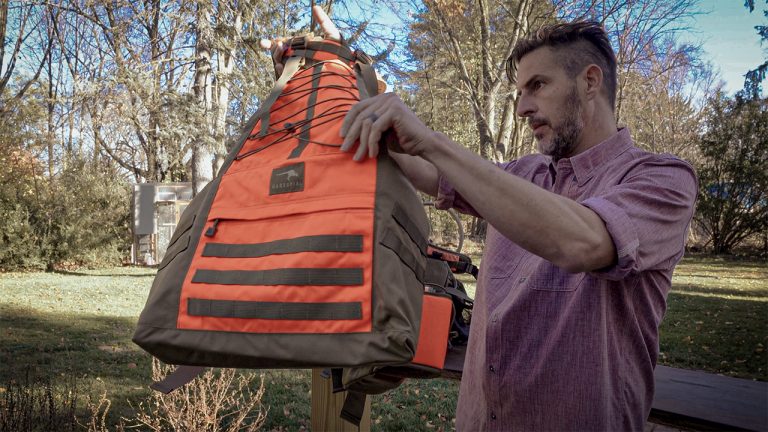
As the wear and tear adds up on our current vest, which we’ve used pretty much exclusively afield for 7 years, it’s time to start assessing options as a replacement. This Marsupial vest is American made from a small company headquartered in Arizona. See what this vest looks like when it’s loaded with the gear…
-
Helio Pressure Shower
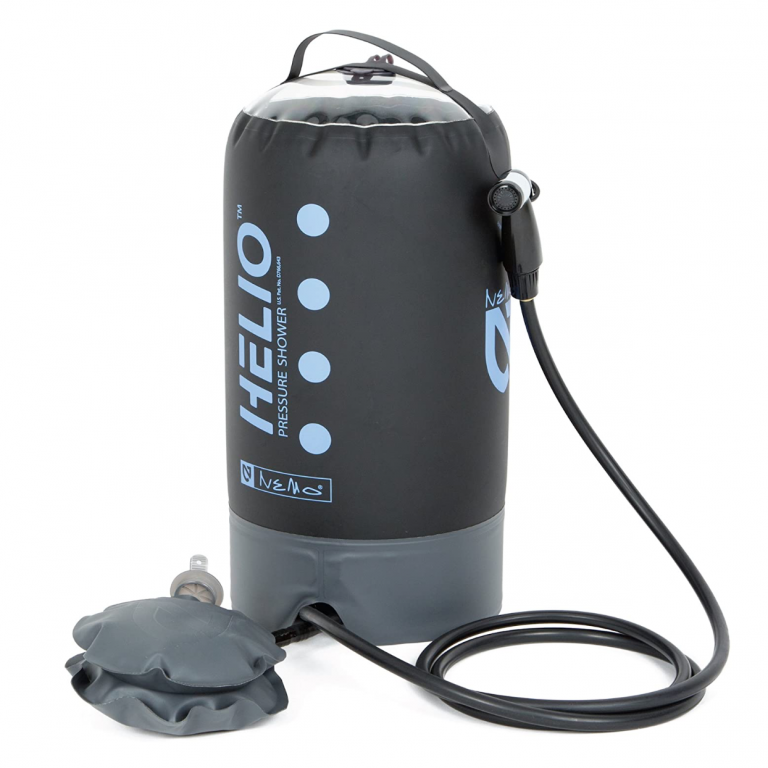
Hunting in Alaska this year I went 20 days without a shower. Never again. NEMO makes the Helio Pressure Shower ($99) specifically for these backcountry adventures. It’s also a great solution for hosing off bird dogs that have rolled in mystery stench. Honestly, in Alaska I may have smelled worse than the dogs. The Helio packs up…
-
Shooting the Browning 725 Feather in 20
Though it weighed in a little heavier than expected, the Browning Citori 725 Feather is a well-balanced straight shooter. MSRP for this 20 gauge is $2549.
-
Following the Dogs to High Places in Search of Ptarmigan, Season is Open
After a night of brutal storms, 8 hours of rain and snow, we awake to bluebird conditions. Can we get enough coffee and calories to get our legs back under us for the climb in search of ptarmigan? These are the days that test you. Camping above 12k in thin air after multiple climbs. Days…
-
Embrace the Hunting Curve
I kicked off this season hunting the entire month of September without ever pulling the trigger—for birds, not for big game, not for a once-in-a-lifetime tag draw. I never even came close. True, the Himalayan Snowcock might be the most challenging hunt in the country. This was my second attempt at those demons and I…