Minnesota Bird Hunting
Seasons Span September 13 – January 4, 2026

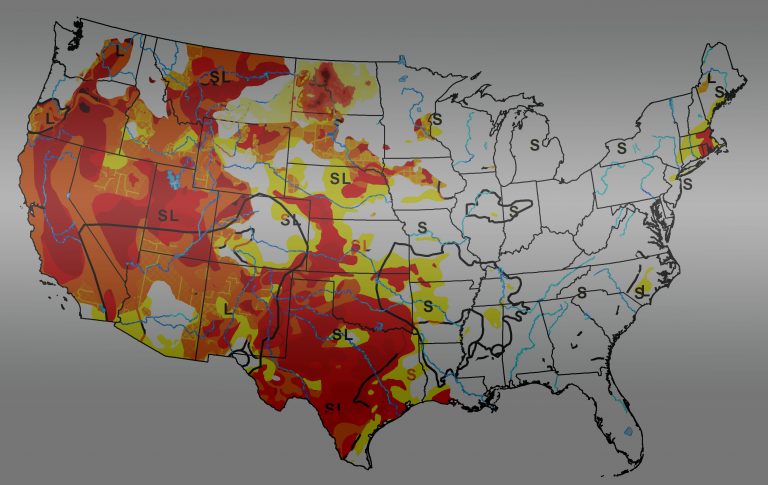
State Drought Monitor – Upland hunting conditions are often highly dependent upon moisture for both habitat production and bird survival.
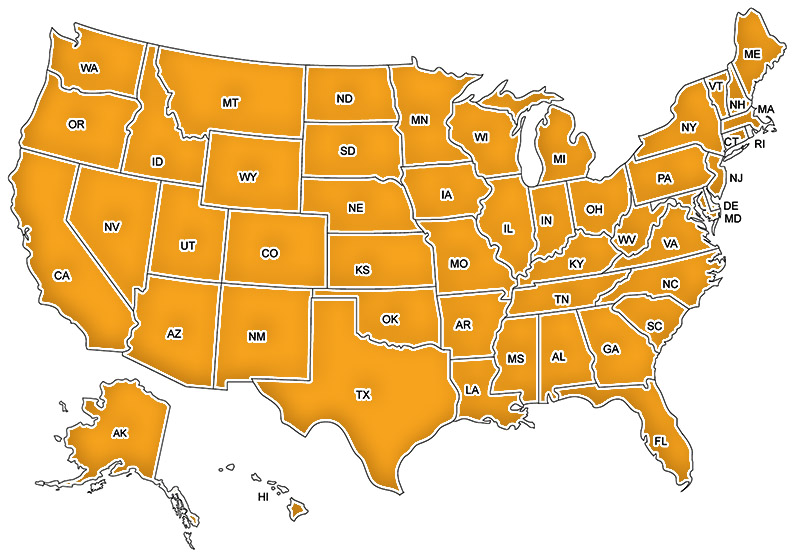
Minnesota Upland Game Bird Hunting Overview
State DNR & Licensing Information
Upland game bird hunting in Minnesota is administered by the Minnesota Department of Natural Resources (DNR).
License Requirements & Fees
- Resident Small Game License: $22
- Resident Senior Small Game License: $13.50
- Nonresident Small Game License: $103
- Resident 72-Hour Small Game License: $19
- Pheasant Validation: $7.50 for ages 18–64
- State Waterfowl Stamp: $7.50 where required
- Federal Migratory Bird Hunting Stamp: Required for applicable migratory birds. (Minnesota DNR Files)
Season Dates & Bag Limits — 2026–2027
Ruffed & Spruce Grouse
- Season: September 19, 2026–January 3, 2027
- Daily Limit: 5 combined
- Possession Limit: 10 combined
- Spruce Grouse: Maximum 2 daily / 4 possession
Sharp-tailed Grouse
- Northwest Zone: September 19–November 30, 2026
- East-Central Zone: Closed
- Daily Limit: 3
- Possession Limit: 6
Ring-Necked Pheasant
- Season: October 10, 2026–January 3, 2027
- Daily Limit: 2 roosters
- Possession Limit: 6 roosters
American Woodcock
- Season: September 19–November 2, 2026
- Daily Limit: 3
- Possession Limit: 9
Hungarian Partridge
- Season: September 19, 2026–January 3, 2027
- Daily Limit: 5
- Possession Limit: 10
Mourning Dove
- Season: September 1–November 29, 2026
- Daily Limit: 15
- Possession Limit: 45
Sora & Virginia Rails
- Season: September 1–November 2, 2026
- Daily Limit: 25 combined
- Possession Limit: 75 combined
Greater Prairie Chicken
- Season: September 26–October 4, 2026
- Requirement: Quota permit
- Area: Designated prairie-chicken quota areas. (Minnesota DNR)
Weather Assessment & Bird Hunting Outlook
Survey Methodology
Minnesota has one of the country’s strongest long-term upland-bird monitoring programs:
- Ruffed Grouse Drumming Survey: Conducted for 75 years to track the population cycle.
- Sharp-tailed Grouse Lek Surveys: Monitor breeding populations in the northwest and east-central regions.
- August Roadside Survey: Conducted since 1955 to measure pheasant, partridge and mourning dove abundance.
- Hunter Harvest Surveys: Used to track hunting pressure, harvest and hunter success. (Minnesota DNR)
Weather Impact & Habitat Conditions
- Ruffed Grouse: Minnesota’s grouse population is currently moving into the declining phase of its normal 8–11 year cycle. Heavy June rain can reduce nesting and chick survival.
- Pheasant: Mild winters and favorable spring conditions improve survival and reproduction. Grassland and wetland habitat remains the critical long-term factor.
- Woodcock: Moist soils and young forest are important; fall rainfall and migration fronts will determine concentrations.
- Sharp-tailed Grouse: Large blocks of grassland and brushland are essential, with habitat loss a major concern.
- Dove/Partridge: Agricultural conditions, precipitation and grain availability drive local abundance.
The 2026 summer has included periods of significant heat in central Minnesota, with Minneapolis temperatures reaching 94°F on July 16 and 95°F on July 17. July precipitation has been variable, including below-normal precipitation at times around the Twin Cities. (National Weather Service)
2026–27 Statewide Population Outlook
- Ruffed Grouse — GOOD: The population has entered the declining phase of its cycle, with the 2026 statewide drumming index falling to 1.7 drums per stop from 1.8 in 2025. Despite the decline, Minnesota remains a premier grouse destination, particularly across northern forests. (Minnesota DNR)
- Ring-Necked Pheasant — GOOD–EXCELLENT: The latest DNR roadside survey found pheasant numbers 47% above 2024 and 64% above the 10-year average, with the strongest indices in southwest, south-central and west-central Minnesota. (Minnesota DNR Files)
- American Woodcock — GOOD: Extensive young-forest habitat provides excellent potential, particularly in conjunction with favorable fall migration weather.
- Sharp-tailed Grouse — FAIR: Northwest populations remain relatively stable, averaging 12.4 birds per lek, but the east-central population has declined and remains closed to hunting. (Minnesota DNR)
- Hungarian Partridge — FAIR: Populations remain well below their long-term average, although localized agricultural habitat can still produce birds. (Minnesota DNR Files)
- Mourning Dove — FAIR–GOOD: The 2025 index was slightly below the 10-year average, but substantial localized opportunities remain, particularly in southern and western agricultural regions. (Minnesota DNR Files)
Overall Minnesota Outlook: GOOD–EXCELLENT. Minnesota is one of the nation’s strongest all-around upland destinations, with excellent pheasant prospects in southern/western agricultural country and a still-strong ruffed grouse opportunity across the northern forests, despite the grouse population entering the down phase of its natural cycle.
For the most up-to-date information, check the Minnesota DNR’s hunting regulations booklet or website.
-
Filson’s Stryker Jacket
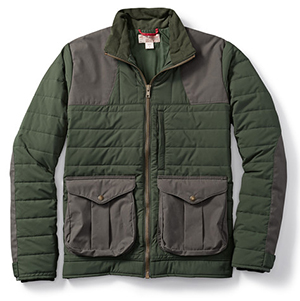
We ended up hunting in South Dakota in some of the most brutal conditions I’ve ever experienced afield. Filson’s Stryker Jacket ($325) gave us the perfect balance between insulation and weight. We had no problem wearing our strap vest over top and staying warm. The best part is we could still smoothly mount the shotgun without feeling…
-
Jim Matthews Quail Calls
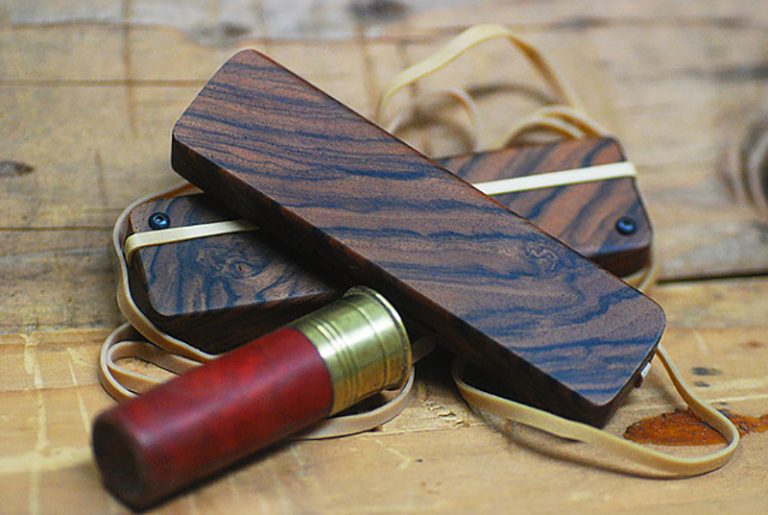
For a truly one-of-a-kind gift for your bird hunter, Jim’s calls are outstanding, functional pieces of art. These hand-sanded, oil-rubbed finish walnut calls can replicate the sound of Gambel’s, California or Mountain Quail. There will be a lot of Bobwhite hunters back east wishing Jim had a call for their native birds. But, don’t let…
-
Trusting the Dog in the North Woods
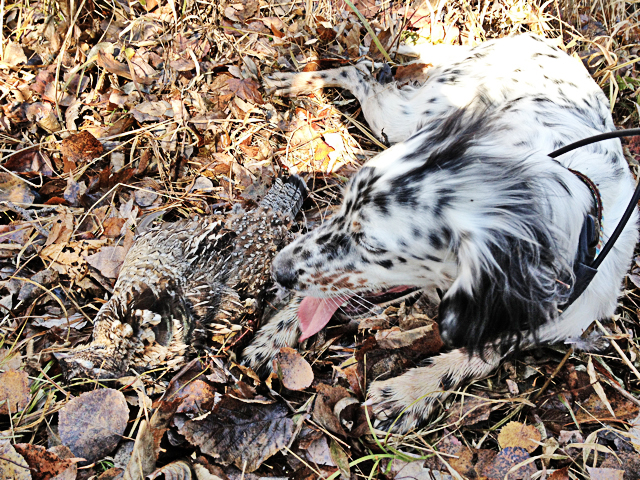
Rio is fresh off her first wild bird hunt in Nebraska. It seemed like a good opportunity to start over with an absolutely clean slate, discovering the North Woods together. The way I look at it the same thing that applies to hunters applies to the young Jornada Llewellin setter; get exposure to as many…
-
Planning for the 2022 Upland Season
We are on verge of another upland season. Though preliminary plans started taking shape the the final days of the 2021 season, now is the time we really begin scrutinizing the schedule of prized days afield. One of the biggest frustrations for upland travel hunting is arriving at a destination that doesn’t live up to…
-
Winging It
This upland season is fast approaching. The preparations of the past few seasons manifested in paper and piles. Maps stretched over more maps to cross-check terrain and access. Gear overflowing tables to neutral corners for ranking to make the pack or inevitable re-packs. The planning and gear goat rope is something to while away the…
-
Grilled Pheasant + Mojo Sauce
This spatchcocked, grilled pheasant is probably one of the more satisfying meals I have made with wild game to date. The crispy skin is full of flavor from a homemade dry rub, the meat is tender and juicy, and the citrus-garlic Mojo sauce is so delicious. Cuban Mojo Sauce This Mojo sauce has it all:…