Mississippi Bird Hunting
Seasons Span September 5 – March 7, 2027

State Drought Monitor – Upland hunting conditions are often highly dependent upon moisture for both habitat production and bird survival.
Mississippi Upland Game Bird Hunting Overview
State DNR & Licensing Information
Upland and migratory game bird hunting in Mississippi is administered by the Mississippi Department of Wildlife, Fisheries & Parks (MDWFP).
License Requirements & Fees
- Resident Small Game Hunting/Freshwater Fishing License: $10
- Resident Sportsman’s License: $45
- Nonresident Small Game Hunting License: $95
- Nonresident 7-Day Small Game License: $38
- WMA User Permit: $15 resident / $30 nonresident
- HIP: Required for applicable migratory birds.
- Dove, woodcock, snipe and rails do not require state or federal waterfowl stamps. (Mississippi Wildlife Parks)
Season Dates & Bag Limits — 2026–2027
Northern Bobwhite Quail
- Season: November 27, 2026–March 7, 2027*
- Daily Limit: 8
*The 2026–27 small-game regulations were still listed by MDWFP as proposed at the time of research; dates should be confirmed against the final regulation before publication. (Mississippi Wildlife Parks)
Mourning & White-Winged Dove
North & South Zones:
- September 5–October 4, 2026
- October 24–November 22, 2026
- December 26, 2026–January 24, 2027
- Daily Limit: 15 combined
- Possession Limit: 45 combined (Mississippi Wildlife Parks)
American Woodcock
- Season: December 18, 2026–January 31, 2027*
- Daily Limit: 3
- Possession Limit: 9
Weather Assessment & Bird Hunting Outlook
Survey Methodology
MDWFP’s quail program uses June call-count surveys on selected WMAs, with repeated survey points used to measure relative population trends. The department also maintains statewide hunter surveys dating back to the early 1980s. (Mississippi Wildlife Parks)
For migratory birds, the forecast incorporates available state harvest information together with weather and habitat conditions.
Weather Impact & Habitat Conditions
- Quail: Habitat remains the dominant factor. MDWFP reports substantial long-term population declines from changes in land use and management. However, properly managed early-successional habitat can produce strong local populations. (Mississippi Wildlife Parks)
- Dove: Crop maturity, agricultural fields, sunflower production and weather fronts will determine local concentrations.
- Woodcock: Winter rainfall, moist soils and cold fronts are particularly important to migration and feeding conditions.
- Snipe/Rails: Wet fields, marshes and shallow-water habitat drive local abundance.
MDWFP reported that 2025’s unusually rainy conditions interfered with June quail call counts, but numerous brood observations suggested a good hatch. That is an encouraging indicator heading into the 2026 season, although it should not be interpreted as a statewide population estimate. (Mississippi Wildlife Parks)
2026–27 Statewide Population Outlook
- Northern Bobwhite Quail — FAIR: Long-term abundance remains depressed, but the 2025 brood observations were encouraging. Best prospects should be on intensively managed WMAs and private properties with prescribed fire, disking and early-successional cover. (Mississippi Wildlife Parks)
- Mourning Dove — GOOD: Mississippi’s agricultural landscape and extensive managed dove fields provide the state’s most reliable early-season upland opportunity. MDWFP is adding draw hunts at Black Prairie and William C. Deviney WMAs because of demand. (Mississippi Wildlife Parks)
- American Woodcock — GOOD: Mississippi provides important wintering habitat; prospects should improve following periods of rain and cold fronts in December and January.
- Wilson’s Snipe — FAIR–GOOD: Strongly dependent on winter rainfall and wet-soil conditions.
- Rails & Gallinules — FAIR: Localized opportunities dependent on marsh and shallow-water habitat.
Overall Mississippi Outlook: GOOD. Mississippi is not a premier wild-quail state, but its managed quail habitat, strong dove program and winter woodcock opportunities make it a worthwhile southeastern upland destination. The most encouraging signal for 2026 is MDWFP’s report of good quail brood observations in 2025, while the best weather-dependent opportunities should come later in the season for woodcock and snipe. (Mississippi Wildlife Parks)
For the most detailed and up-to-date information, visit the MDWFP website or the Mississippi Outdoor Digest.
-
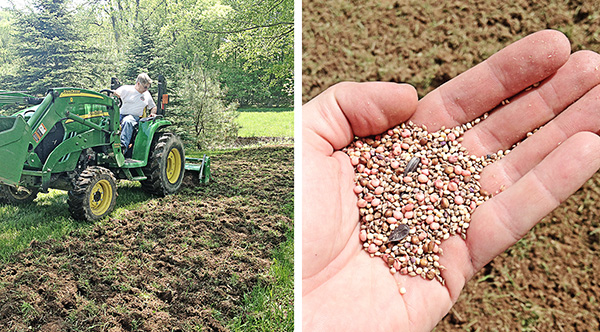
Backyard Bobwhite: Part 1
Is the key to restoring quail right out your back door? I grew up in small farming community in rural Northeast Ohio. It’s not considered an upland bird hot spot. But I still remember seeing wild quail when I was a kid. And I’ve verified this with others from the area. Bobwhite used to inhabit…
-
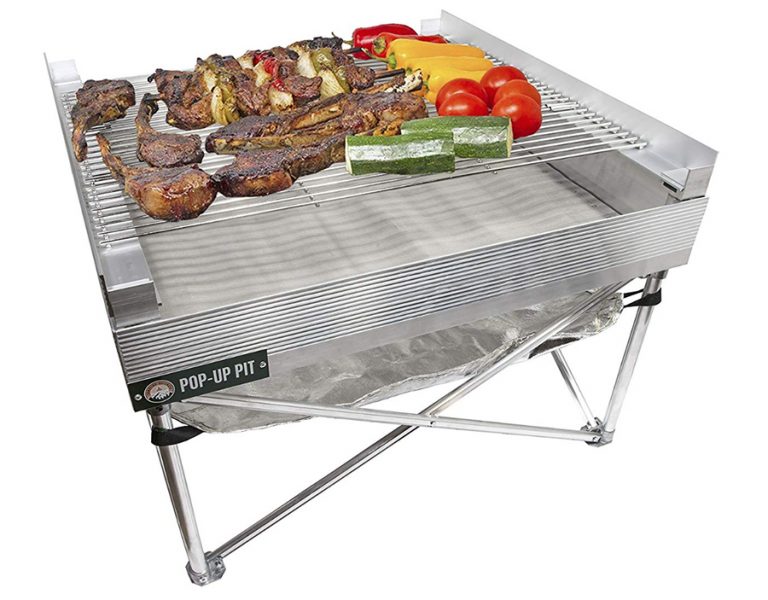
Fireside Outdoor Pop-Up Pit
When you roll into an unimproved camp after dark (improved road my ass) scavenging rocks for a fire pit is on the bottom of your list. Fireside Outdoor’s Pop-Up Pit has you covered. The lightweight, modular design allows for quick setup with no tools or hardware required. In fact, it was so lightweight that I…
-
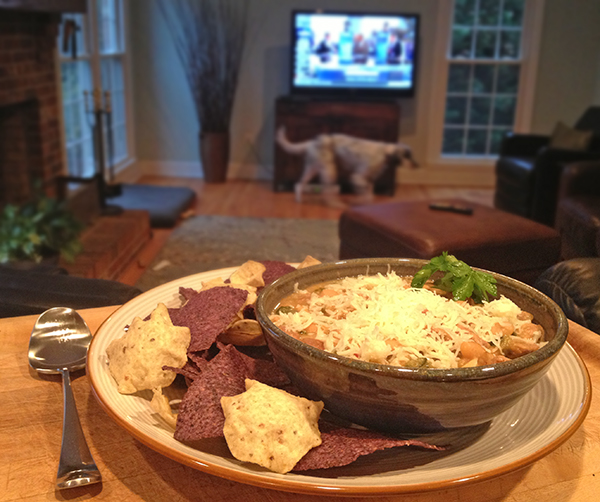
Super Bowl of Pheasant Chili
When you serve some rooster chili everyone is a guaranteed winner. Great way to enjoy a game on a cold day.
-
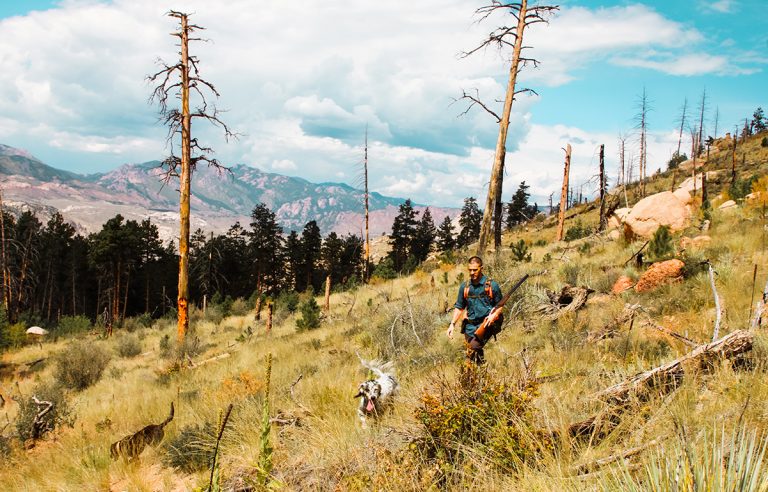
On the Eve
I’ve been accused in the past of trying to make every bird hunt a “religious experience.” I laughed it off when first cast. But the truth is, that jab has stuck with me. I’m unsure why. But in the interest of being utilitarian and simple: I set up camp at the base of some mountains…
-
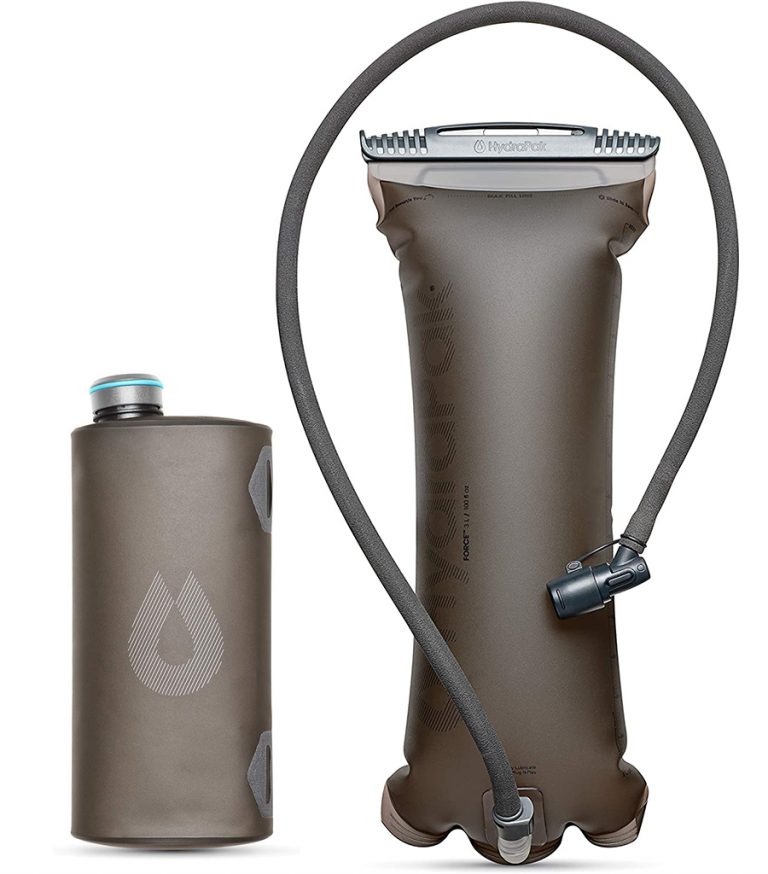
HydraPak 3L Bladder / HydraPak Seeker Water Bottle
Running bird dogs in country where there is minimal surface water, the only way to extend the hunt is to carry enough water. HydraPak’s 3L Bladder upfitted to my vest lets us keep hunting when the land is parched. The insulated drink tube helps keep the water flowing on chilly mornings. I remove the high-flow…
-
Orvis Pro Series Vest
The upland game vest may be the single most-utilized piece of gear in upland hunting. Regardless the terrain, bird species, weather conditions…. the vest is always part of the hunt. Depending on the time of year, it has to fit over different layers, carry different loads, securely stow essential gear. And for me it’s gotta…