Utah Bird Hunting
Seasons Span September 1 – February 15, 2027

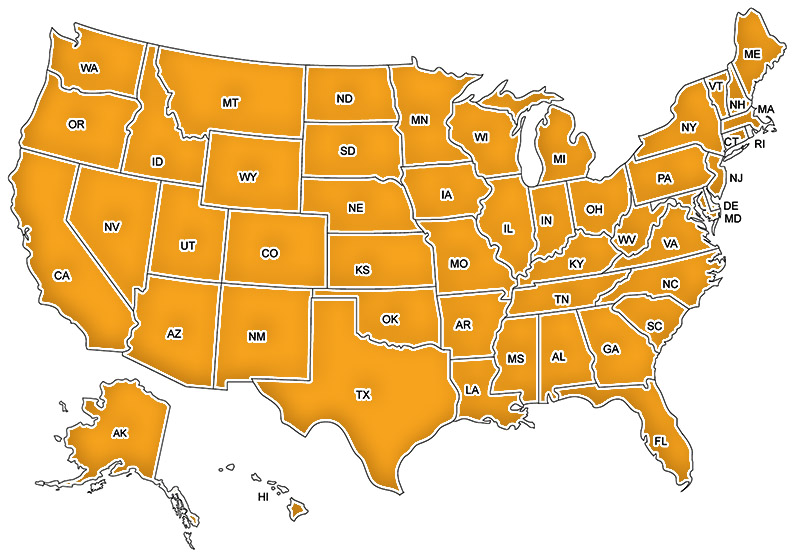
State Drought Monitor – Upland hunting conditions are often highly dependent upon moisture for both habitat production and bird survival.
Utah Upland Game Bird Hunting Overview
State DNR & Licensing Information
Upland game bird hunting in Utah is administered by the Utah Division of Wildlife Resources (UDWR).
License Requirements & Fees
- Resident Annual Hunting License: $40
- Nonresident Annual Hunting License: $144
- Nonresident 3-Day Small Game License: $89
- Resident Combination Hunting/Fishing License: $44
- Nonresident Combination License: $190
- HIP Registration: Free and required for migratory game birds
- Additional permits: Required for species including greater sage-grouse, sharp-tailed grouse, band-tailed pigeon and white-tailed ptarmigan. (Utah Division of Wildlife Resources)
Season Dates & Bag Limits — 2026–2027
Chukar Partridge
- Season: September 26, 2026 – February 15, 2027
- Daily Limit: 5
- Possession Limit: 15
- Area: Statewide, excluding closed areas and Native American trust lands
Gray (Hungarian) Partridge
- Season: September 26, 2026 – February 15, 2027
- Daily Limit: 5
- Possession Limit: 15
Ring-Necked Pheasant
- Season: November 7 – December 6, 2026
- Daily Limit: 2 male birds
- Possession Limit: 6 male birds
California Quail
- Season: November 7 – December 31, 2026
- Daily Limit: 5, combined with Gambel’s quail
- Possession Limit: 15
Gambel’s Quail
- Season: November 7 – December 31, 2026
- Daily Limit: 5, combined with California quail
- Possession Limit: 15
Scaled Quail
- Season: Closed statewide
Dusky & Ruffed Grouse
- Season: September 1 – December 31, 2026
- Daily Limit: 4, combined
- Possession Limit: 12
Greater Sage-Grouse
- Season: September 26 – October 18, 2026
- Permit required
- Limit: 2 birds of either sex for the entire season
- Open areas: Designated hunt units only
Sharp-Tailed Grouse
- Season: September 26 – October 18, 2026
- Permit required
- Limit: 2 birds of either sex for the entire season
- Open areas: Northeast Box Elder and Cache counties
White-Tailed Ptarmigan
- Season: September 1 – October 31, 2026
- Free permit required
- Daily Limit: 4
- Possession Limit: 12
Mourning Dove
- Season: September 1 – October 30, 2026
- Daily Limit: 15
- Possession Limit: 45
Wilson’s Snipe
- Northern Zone: October 3, 2026 – January 16, 2027
- Southern Zone: October 10, 2026 – January 23, 2027
- Daily Limit: 8
- Possession Limit: 24
Band-Tailed Pigeon
- Season: September 1–14, 2026
- Free permit required
- Daily Limit: 2
- Possession Limit: 6
Utah’s 2026–27 regulations are contained in the state’s new combined Waterfowl, Upland Game and Turkey Guidebook. (Utah Division of Wildlife Resources)
Weather Assessment & Bird Hunting Outlook
Survey Methodology
Utah requires a more weather-driven forecast than many eastern states. UDWR’s own research identifies winter snow conditions, spring precipitation and summer moisture as major drivers of upland bird production. Chukar are particularly sensitive to drought because dry spring conditions reduce insects and brood-rearing vegetation. (Utah Division of Wildlife Resources)
For this assessment, I weighted:
- UDWR population and brood data;
- Previous winter severity and snowpack;
- NOAA/NCEI precipitation and temperature;
- U.S. Drought Monitor;
- 2026 spring and summer precipitation;
- Habitat and water availability.
Weather Impact & Habitat Conditions
- Winter 2025–26 — FAIR: Winter conditions were relatively mild, so widespread winter mortality does not appear to have been the dominant problem. UDWR reported mild winters and no evidence of significant winter kill in its 2026 turkey assessment. (Utah Division of Wildlife Resources)
- Snowpack — POOR: The major problem was record-low snowpack, reducing spring runoff and water availability. UDWR specifically described 2026 as a drought year with low water levels and poor snowpack. (Utah Division of Wildlife Resources)
- Spring/Summer 2026 — POOR: Utah entered summer with substantial moisture deficits. January–June was the 13th-driest period on record, 2.40 inches below normal statewide; June ranked 21st driest. (Drought.gov)
- Monsoon — SOME RELIEF: The Southwest monsoon brought some improvement, and the Climate Prediction Center expected above-average precipitation across much of the Intermountain West. However, this was not enough to erase the underlying drought. (Drought.gov)
The overall weather signal is therefore negative for resident upland birds, particularly species dependent on spring and summer brood-rearing conditions.
2026–27 Population Outlook
Chukar Partridge — POOR–FAIR
This is the biggest concern in Utah.
The 2025 UDWR chukar report showed extremely poor recruitment: 0 chicks per adult in the northern and southeastern regions, 0.1 in central and 0.04 in southern Utah. UDWR attributed the decline to dry winter/spring conditions and expected below-average hunting in many locations. (Utah Division of Wildlife Resources)
The 2026 drought and poor snowpack did not provide the rebound conditions needed to reverse that trend.
Forecast: POOR–FAIR.
California Quail — FAIR
California quail are more closely associated with agricultural, riparian and urban-edge habitat where irrigation can partially buffer drought. UDWR notes that the species depends heavily on water and green vegetation. (Utah Division of Wildlife Resources)
Northern Utah’s irrigated areas should outperform dry upland habitat. Southeastern populations can also be productive where river-bottom agriculture provides water and cover.
Forecast: FAIR, highly localized.
Gambel’s Quail — POOR–FAIR
Southern Utah is the major concern. Drought directly affects Gambel’s reproduction through reduced vegetation and insect availability.
The best opportunities should be in areas receiving summer monsoon precipitation, particularly around reliable water sources.
Forecast: POOR–FAIR.
Gray Partridge — FAIR–POOR
Gray partridge benefit from agricultural landscapes, but drought reduces nesting and brood-rearing cover. The poor snowpack and spring moisture deficit are unfavorable.
Forecast: FAIR–POOR.
Ring-Necked Pheasant — FAIR
Utah’s pheasant picture is complicated by substantial stocking. UDWR releases pen-raised pheasants on WMAs, Walk-in Access properties and other public lands throughout the season, so hunter success can substantially exceed what the wild population alone would suggest. (Utah Division of Wildlife Resources)
Wild pheasant production is less encouraging under the current drought conditions.
Forecast: FAIR, with stocked properties offering better odds.
Dusky Grouse — FAIR–POOR
Mild winter conditions helped adult survival, but the extremely dry spring and summer reduce forage and brood habitat.
Higher-elevation areas that retained green vegetation should outperform lower, drier ranges.
Forecast: FAIR–POOR.
Ruffed Grouse — FAIR–POOR
Similar weather concerns apply, although suitable forest habitat can buffer drought somewhat. Expect highly localized hunting.
Forecast: FAIR–POOR.
Greater Sage-Grouse — FAIR–POOR
The species remains huntable only under a tightly controlled permit system in designated areas. Utah maintains annual population monitoring and adaptive management for the species. (Utah Division of Wildlife Resources)
Drought is a concern because sage-grouse depend on healthy spring and summer habitat, particularly areas retaining adequate forbs and insects.
Forecast: FAIR–POOR.
Sharp-Tailed Grouse — FAIR–POOR
The hunt is limited to northeast Utah and requires a permit. The restricted range means local precipitation can matter more than the statewide average.
Poor spring moisture is a negative, while the absence of severe winterkill is a positive.
Forecast: FAIR–POOR.
White-Tailed Ptarmigan — FAIR
This species occupies extremely high elevations where persistent snowfields, springs and alpine vegetation provide summer brood habitat. UDWR specifically identifies persistent green vegetation and late-lying snowfields as important brood-rearing features. (Utah Division of Wildlife Resources)
The record-low snowpack is concerning, but localized high-elevation springs and snowfields can maintain suitable habitat.
Forecast: FAIR, with very localized opportunities.
Mourning Dove — FAIR–GOOD
Doves are considerably more resilient than resident quail and grouse. Agricultural fields, riparian areas and reliable water should produce reasonable opportunities despite drought.
Forecast: FAIR–GOOD.
Wilson’s Snipe — FAIR–POOR
The drought has reduced wetland and mudflat habitat, particularly ephemeral habitat. Permanent wetlands and irrigated agricultural areas should be the best bets.
Forecast: FAIR–POOR.
Band-Tailed Pigeon — FAIR
The species depends on mountain forests and food crops such as elderberries and other mast-producing vegetation. Drought could reduce food availability, but the September season is short and localized.
Forecast: FAIR.
Overall Utah Outlook: FAIR–POOR
Utah is another state where the weather data argue for a considerably more cautious forecast than a generic hunting outlook.
The key problem isn’t severe winter mortality. It is the opposite: Utah entered 2026 with mild winters but exceptionally poor snowpack and a major spring/summer moisture deficit. January–June ranked 13th driest on record, and June was also substantially below normal. (Drought.gov)
That matters enormously for Utah’s upland birds because spring snowmelt and precipitation drive the vegetation and insect production needed for successful broods. UDWR’s own chukar data show just how dramatically recruitment can collapse during dry years. (Utah Division of Wildlife Resources)
Best 2026 Bets
Chukar: Northern Box Elder and other areas retaining reliable water, but expectations should remain conservative.
California Quail: Irrigated agricultural and river-bottom habitat, particularly northern and southeastern Utah.
Gambel’s Quail: Southern Utah locations that received meaningful summer monsoon rainfall.
Pheasant: Stocked WMAs and Walk-in Access properties rather than relying on wild-bird numbers.
Dusky/Ruffed Grouse: Higher elevations with springs, green understory and recent forest regeneration.
Sage-Grouse: Only designated permit areas; expect localized results.
Ptarmigan: Highest alpine basins retaining green vegetation and late snow.
Dove: Agricultural fields with reliable water.
Snipe: Permanent wetlands and irrigated ground.
Forecast Confidence: Moderate
The weather signal is high-confidence: Utah has poor snowpack, significant drought and a major year-to-date precipitation deficit. (Drought.gov)
The bird forecast is less certain because 2026 brood data are not yet available for most species. The strongest hard biological evidence we have is the very poor 2025 chukar recruitment, which makes that species particularly concerning going into fall 2026. (Utah Division of Wildlife Resources)
Bottom line: Utah looks like a below-average upland bird year overall. Chukar are the biggest concern because poor 2025 recruitment was followed by another very dry winter/spring. California quail and pheasants should be more dependable where irrigation, stocking and agricultural habitat provide a buffer. For the mountain species, elevation and access to remaining green vegetation will be critical. (Utah Division of Wildlife Resources)
This summary provides a comprehensive overview, but regulations may change, so verify details with the Utah DWR before hunting.
-
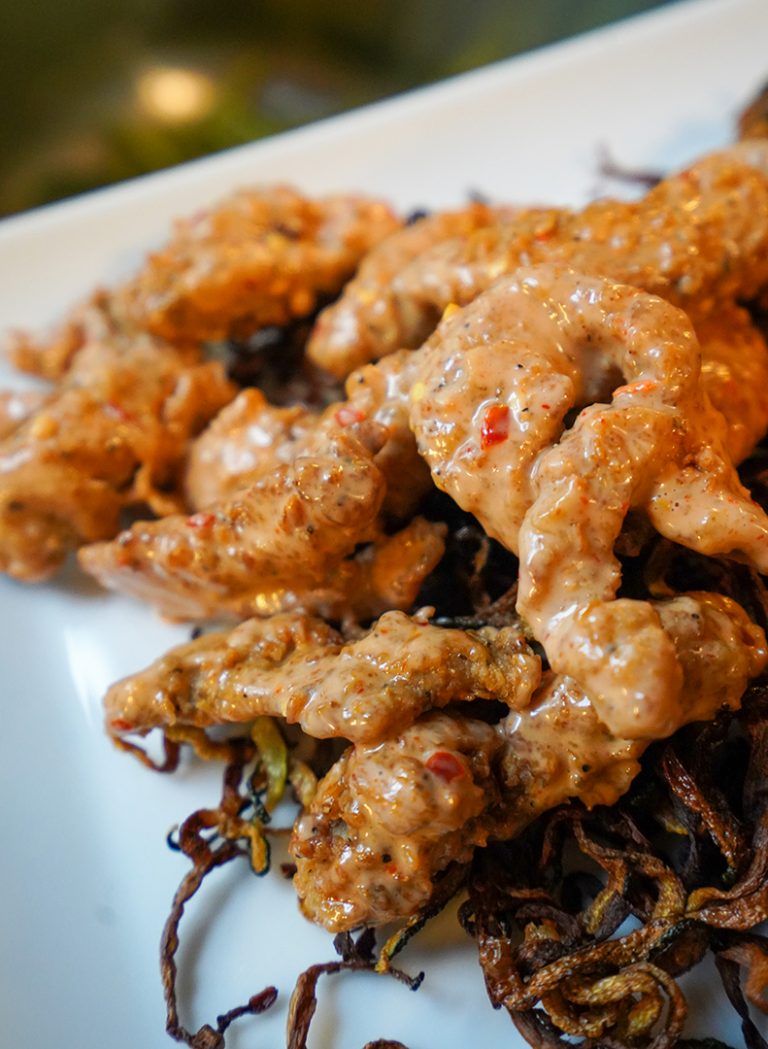
Bang Bang Pheasant
Went out to eat a few weeks ago and ended up sharing a Bang Bang Shrimp appetizer. Jotted a quick note in my phone that this would be a great adaptation for game birds – and honestly, the name is just too fitting. I already knew the basics of Bang Bang sauce, but decided to kick…
-
Cross Country Drive to Visit Benchmade
When the bird hunting season was winding down I needed to find an activity to fill the void. When the folks at Benchmade Knife Company heard about my 16-year-old nephew Zach’s interest in blade design they offered to give us a VIP tour of their facility. Since Zach is also trying to accumulate enough hours behind…
-
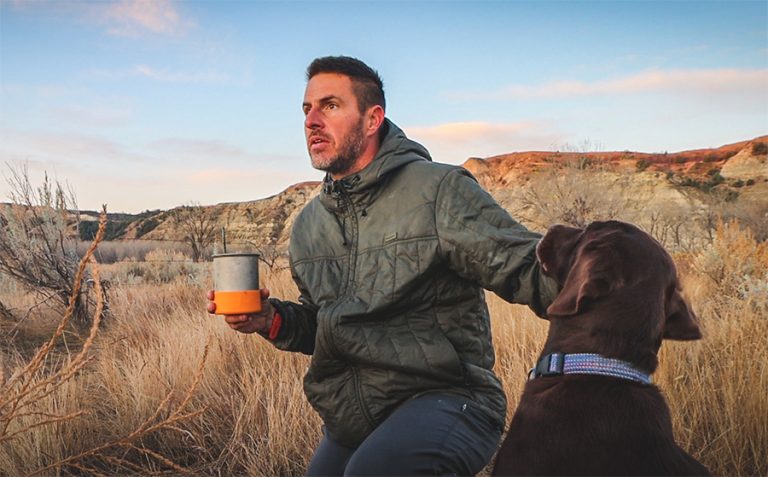
Filson Ultralight Hooded Jacket
Staying warm is great, but I can’t stand feeling like the Stay-Puft Marshmallow Man while hunting. I was able to wear Filson’s Ultralight Hooded Jacket in single digit temps with just one layer beneath and retain that sweet spot between sweating and hypothermia. Yet, this jacket is sheer enough that the bird vest slides easily…
-
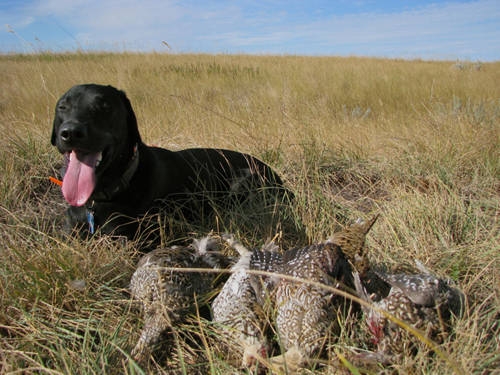
Bird Hunting Karma Exists
The idea that what goes around comes around can be captured in the simple word Karma. Go ahead and scoff if that hocus pocus doesn’t sit well with you, but Karma isn’t magic and bird hunting karma is definitely real. I believe that in the field, if you opt for what is right, even though…
-
Big Agnes C Bar 3-Season Tent
On the eve of a big trip into the backcountry, time to make sure we know exactly how to assemble the tent. This Big Agnes is new to us this season, so we’re excited to put it to the test on this camping trip with the dogs.
-
Why We Hunt With Dogs
This morning I took my lab Wyatt out for a weekend stomp on public ground. Yesterday while in the field at first light I saw several other trucks with hunters trying to hunt the same field which we beat them to that day. Needless to say, the public options close to population centers here in…