New Mexico Bird Hunting
Seasons Span November 15 – February 15, 2027

State Drought Monitor – Upland hunting conditions are often highly dependent upon moisture for both habitat production and bird survival.
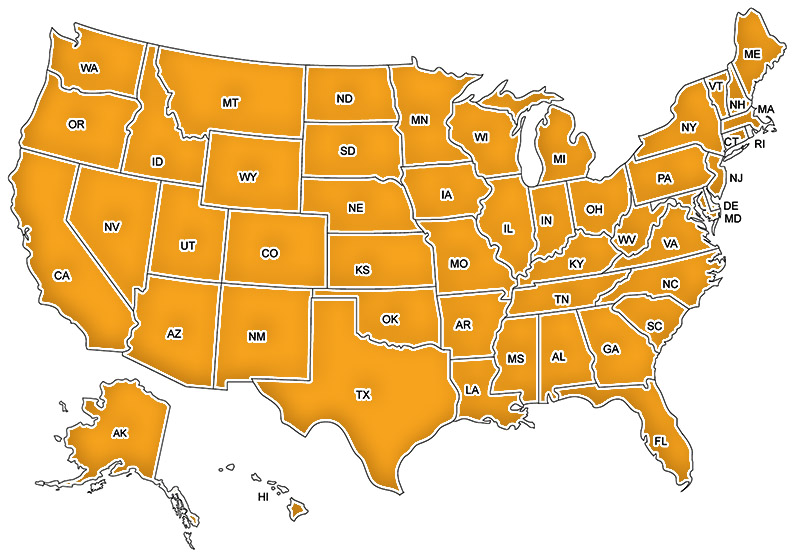
New Mexico Upland Game Bird Hunting Overview
State DNR & Licensing Information
Upland game bird hunting in New Mexico is administered by the New Mexico Department of Game and Fish (NMDGF).
License Requirements & Fees
- Game Hunting License: Required to hunt upland game birds in New Mexico.
- Habitat Management & Access Validation (HMAV): Required for hunters 18 and older.
- Habitat Stamp: Required when hunting on BLM or U.S. Forest Service lands, with applicable exemptions.
- Pheasant: Special draw permit required for designated NMDGF pheasant hunts.
- Migratory birds: Separate migratory-bird requirements, including HIP registration, apply to applicable species.
- New Mexico’s 2026–27 Hunting Rules & Information booklet is now published and contains the current license and upland-game regulations. (NMDOW)
Season Dates & Bag Limits — 2026–2027
Scaled Quail
- Season: November 15, 2026 – February 15, 2027
- Daily Limit: 15, singly or in aggregate with Gambel’s and bobwhite quail
- Possession Limit: 30
Gambel’s Quail
- Season: November 15, 2026 – February 15, 2027
- Daily Limit: 15, singly or in aggregate with scaled and bobwhite quail
- Possession Limit: 30
Northern Bobwhite
- Season: November 15, 2026 – February 15, 2027
- Daily Limit: 15, singly or in aggregate with scaled and Gambel’s quail
- Possession Limit: 30
Montezuma Quail
- Season: November 15, 2026 – February 15, 2027
- Daily Limit: 5
- Possession Limit: 10
- Montezuma quail may count toward the 15-bird aggregate quail limit when multiple quail species are harvested. (NMDOW)
New Mexico is unusual in offering four huntable quail species, and NMDGF explicitly notes that annual precipitation has a major influence on quail abundance. Spring moisture is particularly important for scaled, Gambel’s and bobwhite quail, while summer rainfall is especially important to Montezuma quail production. (NMDOW)
Dusky (Blue) Grouse
- Season: September 1 – November 30, 2026
- Daily Limit: 3
- Possession Limit: 6
- Open: Statewide, subject to applicable closures
Dusky grouse are primarily found at higher elevations, generally above 7,000 feet, particularly where forests meet openings and in fir-dominated stands. (NMDOW)
Ring-Necked Pheasant
- Season: Varies by designated hunt area
- Requirement: Special permit for designated NMDGF pheasant hunts
- Permit: Draw required
- Pheasant opportunity is concentrated in specific managed areas rather than representing a statewide wild population. NMDGF’s 2026–27 rules include the current hunt codes and dates. (NMDOW)
Eurasian Collared-Dove
- Season: Year-round
- Daily Limit: None
- Possession Limit: None
NMDGF classifies Eurasian collared-doves as resident upland game because of their non-migratory status and invasive nature. (NMDOW)
Weather Assessment & Bird Hunting Outlook
Survey Methodology
New Mexico’s forecast needs to be treated differently from states where winter severity is the dominant factor. Quail are short-lived and highly dependent on annual reproduction, and NMDGF specifically identifies precipitation as a major driver of abundance. (NMDOW)
For this forecast, weighing:
- NMDGF species biology and distribution;
- available NMDGF harvest and population information;
- previous winter temperature and precipitation;
- mountain snowpack and spring runoff;
- spring precipitation during nesting;
- summer monsoon precipitation during brood-rearing;
- current soil moisture and drought;
- historical relationship between precipitation and quail abundance.
Weather Impact & Habitat Conditions
Winter 2025–26:
This was a major negative for New Mexico’s high-country birds. The Southwest experienced its warmest winter on record, and New Mexico entered spring with exceptionally poor snowpack. By early April, statewide snow-water equivalent was only 11% of median peak SWE—the lowest on record. Most New Mexico SNOTEL stations melted out at least a month early. (Drought.gov)
That does not necessarily mean poor quail survival. In fact, a mild winter can reduce winter mortality for desert quail. But it is a major concern for dusky grouse habitat, mountain moisture and spring water availability.
Spring 2026:
The spring moisture situation remained unfavorable. New Mexico entered the growing season with the accumulated effects of a warm, dry winter and exceptionally low snowpack. NMDGF’s own biology tells us that this is particularly important for scaled, Gambel’s and bobwhite quail, because spring moisture strongly influences production. (NMDOW)
Summer 2026 / Monsoon:
This is the critical variable for New Mexico. The June Drought.gov outlook anticipated average-to-above-average summer precipitation across much of central and western New Mexico, with drought expected to improve or end across much of the state by late September. (Drought.gov)
That provides an important potential recovery mechanism—but the improvement must actually occur on the ground. A favorable monsoon forecast is not equivalent to rainfall received.
2026–27 Population Outlook
- Scaled Quail — FAIR: This is one of the most important species in the state and one of the most sensitive to the spring moisture deficit. The dry winter and spring are a negative, but summer monsoon rainfall can substantially change the production picture. The best prospects should be in areas that received localized summer precipitation rather than across drought-stricken portions of southeastern and central New Mexico. NMDGF identifies semi-arid rangeland with mixed scrub, grasses and scattered shrubs as core habitat. (NMDOW)
- Gambel’s Quail — FAIR: Gambel’s are concentrated in warmer desert and foothill habitats, particularly brushy drainages and thorny vegetation. The mild winter likely reduced overwinter mortality, which is a positive, but spring moisture was poor. Summer rainfall can improve food and cover, so localized monsoon performance will be decisive. (NMDOW)
- Northern Bobwhite — FAIR–POOR: New Mexico’s bobwhite population is concentrated primarily in the eastern and southeastern portions of the state. NMDGF identifies spring precipitation as particularly important to bobwhite production. The dry spring is therefore a significant negative, and the species is more dependent on localized summer vegetation and agricultural/rangeland conditions. (NMDOW)
- Montezuma Quail — FAIR: This species should not be lumped with the other three. NMDGF specifically states that summer rainfall is the key precipitation factor for Montezuma production. Its pine-oak and oak-scrub habitat at higher elevations also puts it in a different weather regime. The exceptionally dry winter hurt mountain moisture, but a strong summer monsoon could materially improve production. (NMDOW)
- Dusky Grouse — FAIR–POOR: The mild winter reduces concern about direct winter mortality, but the record-low snowpack and exceptionally early melt are significant negatives for high-elevation habitat. The eventual summer moisture picture is important for vegetation and insect production. NMDGF places the species primarily above 7,000 feet in forest/opening transition zones. (NMDOW)
- Ring-Necked Pheasant — FAIR: This is primarily a managed/draw opportunity, so weather has less influence on hunter opportunity than it does for wild quail. Local agricultural moisture and habitat conditions still matter.
- Eurasian Collared-Dove — GOOD: This species is abundant, adaptable and non-migratory. Weather has considerably less effect on hunting opportunity than it does on New Mexico’s quail.
Overall New Mexico Outlook: FAIR.
New Mexico is a particularly interesting forecast this year because winter severity and precipitation point in different directions. The winter was extraordinarily warm, which should have benefited overwinter survival of desert quail, but the tradeoff was catastrophic snowpack and a very dry spring. That leaves the state’s quail populations heavily dependent on 2026 monsoon performance.
The most important distinction is between the species:
Scaled quail: spring moisture matters most.
Gambel’s quail: spring moisture + desert water/cover.
Bobwhite: spring moisture is particularly important.
Montezuma quail: summer monsoon is the critical variable.
Dusky grouse: high-elevation snowpack and summer moisture matter far more.
That makes a single statewide “quail forecast” particularly misleading in New Mexico. NMDGF itself emphasizes these species-specific precipitation relationships. (NMDOW)
Forecast confidence: Moderate–Low. The biological weather signal is clear, but the 2026 monsoon is the wildcard. If monsoon rainfall has been substantially better than expected by September, I would upgrade scaled, Gambel’s and especially Montezuma quail. If it has been spotty or below normal, the current FAIR assessment should be downgraded, particularly in southern and southeastern New Mexico. (Drought.gov)
Disclaimer: Always verify regulations with the New Mexico Department of Game and Fish, as rules and dates may vary by specific areas or change closer to the season.
-
The Quail Hunter’s Lost Code
There’s a small, back corner on a piece of public land in Kansas that my dad and I have hunted for 10 years. It’s a good walk, probably a mile and a half each way. We are always drawn to the corner because every year there is a covey of Bobwhite in this tiny, scrubby…
-
2016 Gift Guide for Bird Hunters
Even most bird hunters deserve more than a few lumps of coal this holiday season. With help from Contributors Kali Parmley and Andrea Haas we’ve assembled a list of gift ideas that should simplify shopping for the uplanders in your life. When we came off the mountain from ptarmigan hunting in Colorado I surprised my hunting partners by…
-
Under Armour Base 4.0
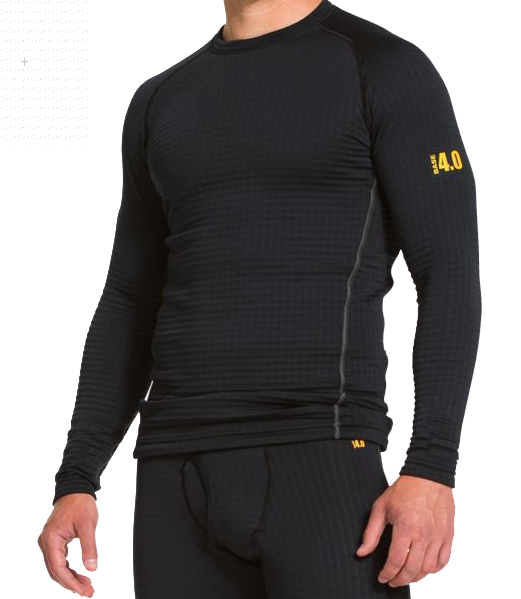
I’m not normally a long john kind of guy because trudging through thick cover tends to produce enough body heat that shedding layers is more likely the norm. But last year hunting late season we got caught in a Midwest blizzard with winds cutting at ridiculous speeds and ambient temps in the teens. That’s when…
-
Bird Dog Dealing with Lar Par
I’m not sure I can say “Laryngeal Paralysis” once correctly, let alone three times quickly — it’s a tongue twister. It has also been a vet stumper for a number of years. Until three weeks ago I had never heard of it. Let me break this diagnosis down in bird hunter terms which I’m certain…
-
The Ultimate Upland Vehicle
As hunters prepare to load up and drive to the far reaches in order to chase birds, I always ponder what is the ultimate upland vehicle? In the field I’ve come across the entire gambit — from the German engineered rear-wheel drive sedan to a vintage Winnebago that looked like an oversized styrofoam cooler. I…
-
Way Upland Season IV Episode 1
The season has arrived, time for legs and lungs to start firing. Doing a few acclimation and scouting hikes, looking for flat ground, verifying surface water and making sure that preparation for these hikes has taken hold.