Washington Bird Hunting
Season Spans September 19 – January 31, 2027

State Drought Monitor – Upland hunting conditions are often highly dependent upon moisture for both habitat production and bird survival.
Washington Upland Game Bird Hunting Overview
State DNR & Licensing Information
Upland game bird hunting in Washington is administered by the Washington Department of Fish & Wildlife (WDFW). The 2026–27 regulations are in effect July 1, 2026–June 30, 2027. (WDFW)
License Requirements & Fees
- Resident Small Game License: $55.13
- Nonresident Small Game License: $252.47
- Nonresident 3-Day Small Game License: $93.08
- Migratory Bird Permit: $23.27
- Migratory Bird Authorization: $18.22
- HIP: Required for migratory game birds; registration is completed when obtaining the migratory bird permit.
- Western Washington Pheasant License: $115.85 for residents; $229.70 for nonresidents. (WDFW)
Season Dates & Bag Limits — 2026–2027
Forest Grouse — Ruffed, Sooty, Dusky & Spruce
- Season: September 15, 2026 – January 15, 2027
- Daily Limit: 4
- Possession Limit: 12
- Species restrictions: No more than 3 Dusky/Sooty, 3 Spruce and 3 Ruffed Grouse daily. (eRegulations)
Ring-Necked Pheasant
Eastern Washington
- Season: October 17, 2026 – January 18, 2027
- Daily Limit: 3 cocks
- Possession Limit: 15
Western Washington
- Season: September 19 – November 30, 2026
- Daily Limit: 2 either sex
- Possession Limit: 15
California (Valley) Quail & Northern Bobwhite
Eastern Washington
- Season: October 3, 2026 – January 18, 2027
- Daily Limit: 10 combined
- Possession Limit: 30
Western Washington
- Season: September 19 – November 30, 2026
- Daily Limit: 10 combined
- Possession Limit: 30
Mountain Quail
- Western Washington: September 19 – November 30, 2026
- Daily Limit: 2
- Possession Limit: 4
- Eastern Washington: Closed
Gray Partridge
- Eastern Washington: October 3, 2026 – January 18, 2027
- Daily Limit: 6
- Possession Limit: 18
Chukar
- Eastern Washington: October 3, 2026 – January 31, 2027
- Daily Limit: 6
- Possession Limit: 18
Washington’s 2026–27 upland season dates are established in state regulation and summarized in the current hunting regulations. (LawFiles Test Ext.)
Weather Assessment & Bird Hunting Outlook
Survey Methodology
Washington’s WDFW conducts a July–August brood survey specifically to measure upland-bird productivity, including brood size, hens with young and production indices. WDFW also collects forest-grouse wings and tails to monitor population trends. (WDFW)
For this forecast, I weighted those biological indicators against independent NOAA/NCEI climate data, U.S. Drought Monitor conditions, snowpack and spring/summer moisture.
Weather Impact & Habitat Conditions
- Winter 2025–26 — NEGATIVE: Washington experienced another poor snow year. By May, 2026 snowpack was the second-lowest on record, behind 2015, and the state entered its fourth consecutive year of drought. (Drought.gov)
- Spring 2026 — NEGATIVE: Early snowmelt reduced water availability and shortened the period of spring moisture in eastern Washington.
- Summer 2026 — NEGATIVE: Through June, Washington recorded its 34th-driest January–June period since 1895, 2.64 inches below normal. June itself ranked 54th driest. (Drought.gov)
- Current conditions: About 64% of Washington remains in D1–D4 drought, including substantial areas of eastern Washington. (Drought.gov)
The weather signal is therefore clearly negative for eastern Washington upland birds, although western Washington has a substantially different moisture regime.
2026–27 Population Outlook
Chukar Partridge — POOR–FAIR
Chukar are one of Washington’s major upland opportunities, but they are highly dependent on spring moisture in the shrubsteppe.
The 2025 harvest was about 12,200 birds, with Kittitas, Yakima, Chelan, Douglas and Asotin counties producing the bulk of the harvest. (WDFW)
The exceptionally poor snowpack and dry spring are significant negatives for 2026 brood production.
Best prospects: Kittitas, Yakima, Chelan, Douglas and Asotin counties.
Forecast: POOR–FAIR.
California Quail — FAIR
California quail should fare better than chukar where irrigation, riparian cover and agricultural habitat provide moisture.
The 2025 statewide harvest was approximately 36,600 quail of all species, demonstrating a substantial population, although harvest statistics cannot distinguish annual abundance from hunter effort. (WDFW)
Forecast: FAIR, with irrigated and riparian country outperforming dry uplands.
Northern Bobwhite — POOR–FAIR
Bobwhite are a relatively minor Washington population and are largely associated with agricultural landscapes in eastern Washington.
The drought is unfavorable for brood production, while habitat fragmentation further limits their distribution.
Forecast: POOR–FAIR.
Mountain Quail — FAIR
Mountain quail are restricted to western Washington for hunting. Their forest and brush habitat receives considerably more moisture than the eastern shrubsteppe.
The drought therefore has less impact than it does on chukar and gray partridge.
Forecast: FAIR.
Gray Partridge — POOR–FAIR
Gray partridge occupy eastern agricultural country where drought can reduce nesting cover and insect availability.
The dry winter/spring combination is a negative for 2026 production.
Forecast: POOR–FAIR.
Ring-Necked Pheasant — FAIR
Eastern Washington remains the state’s primary wild-pheasant region, but WDFW reports a 20-year decline in pheasant harvest and participation. Habitat loss and agricultural changes are major concerns. (WDFW)
Western Washington is primarily a stocked-bird opportunity, with WDFW releasing approximately 35,000–40,000 pheasants annually at about 25 sites. (WDFW)
Forecast: FAIR, with stocked western sites potentially providing the most predictable opportunity.
Overall Washington Outlook: FAIR–POOR
Washington’s weather picture is more concerning than the state’s general upland-hunting reputation might suggest.
The key issue is not simply current drought. Washington entered 2026 with exceptionally poor snowpack, experienced early snowmelt, and then accumulated a significant precipitation deficit through June. About 64% of the state is currently in D1–D4 drought. (Drought.gov)
That is particularly damaging to the eastern Washington shrubsteppe species—chukar, gray partridge and pheasant—where spring moisture is critical to nesting and brood survival.
Best 2026 Bets
Chukar: Kittitas, Yakima, Chelan, Douglas and Asotin counties, particularly areas that received localized summer precipitation.
California Quail: Irrigated agricultural and riparian habitat in eastern Washington.
Mountain Quail: Western Washington brush and young forest.
Pheasant: Eastern Washington agricultural habitat; western Washington release sites for more predictable opportunity.
Forest Grouse: Higher-elevation forest habitat where moisture and food remained available.
Forecast Confidence: Moderate
The weather assessment is high-confidence: snowpack, precipitation and drought data all point in the same direction. (Drought.gov)
The biological forecast is less certain because WDFW’s 2026 brood-survey results are still developing. That survey is particularly important this year because localized summer rainfall could produce substantial differences between otherwise drought-stressed areas. (WDFW)
Bottom line: Washington looks like a FAIR–POOR upland year overall. Eastern Washington is the concern: four years of drought, exceptionally poor snowpack and a dry first half of 2026 create a difficult setup for chukar, gray partridge and wild pheasant. California quail should be somewhat more resilient where irrigation and riparian habitat buffer the drought, while western Washington’s mountain quail and stocked pheasant opportunities are comparatively better.
-
Climbing for the Birds
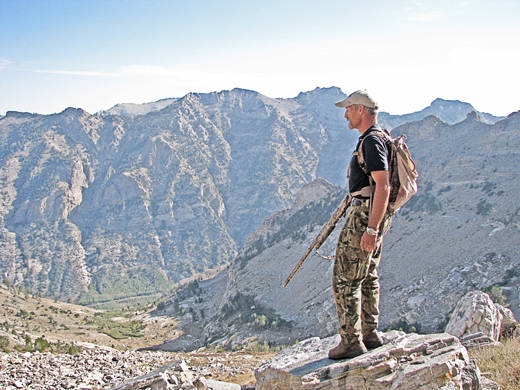
Maurice and I punched through the ridge line at 10,500 feet mid-morning with Wyatt the black lab in tow. The massive boulder fields and talus slopes are tough terrain for a bird dog. We climbed over a small crease and arrived at a rare sight, a piece of flat ground extending 50 yards to the…
-
Connecting with Bobwhite
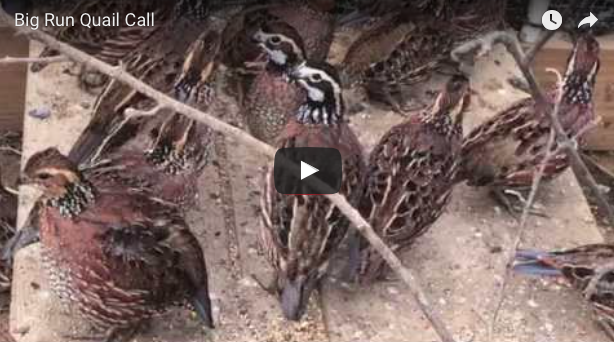
The number of Ohio residents who recognize the distinctive call of Bobwhite is dwindling. The old-timers, a few farmers, the occasional birder can still whistle the tune that was once a fixture of the buckeye landscape prior to the blizzard of ’78. Just a handful of counties in the southwest corner of the state are…
-
Skewering Meathunters: The True Cost of a Pound of Game Bird
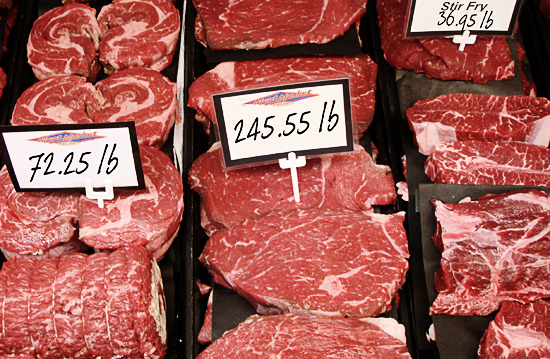
I often see bird hunters profess that they hunt for food. But when I think about my days afield, meat is often the last thing that comes to mind. Don’t get me wrong, I love my Sharptail Fajitas and my Pheasant Chowder but eating game birds has always been one of the bonuses of being…
-
GSI Outdoors – Microlite 1000 Twist
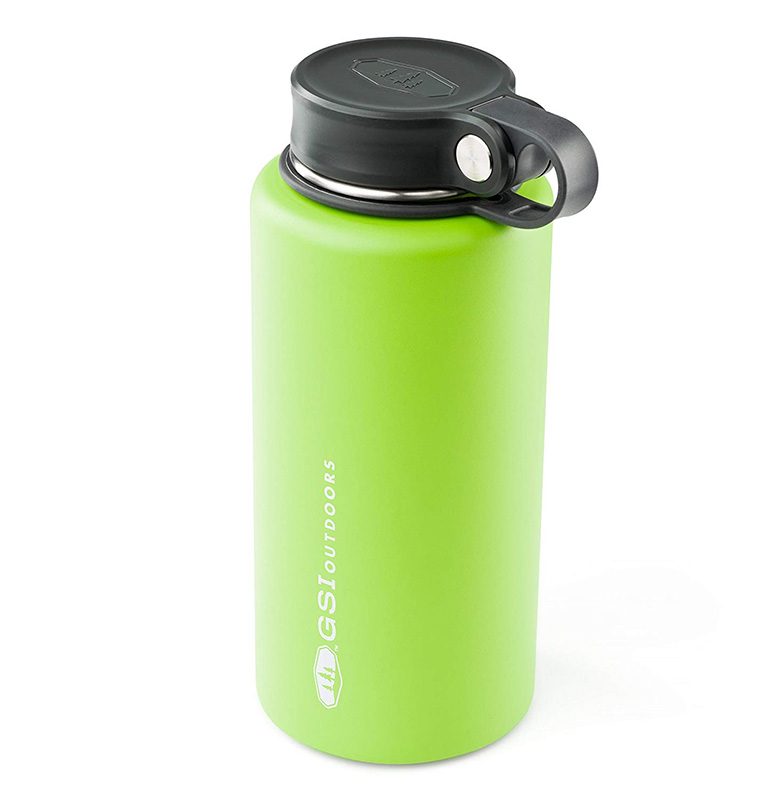
Better than any water bottle on the market, the GSI Microlite weighs the same as the cheap plastic bottles holding 33 ounces of liquid, nearly indestructible and can keep ice for what seems forever. On multiple occasions this season I errantly left a cold drink in my bird vest overnight, only to find it still…
-
On the Road Again
Driving endless hours. It’s the not-so-glamourous part of this upland hunting pursuit. Thankfully the days afield tend to erase the days of pavement. The two longest drives of the year are always the first and last of the season. The anticipation of getting underway and the dread of completion make the toughest slogs. The 4,200…
-
White-tailed Demons
Something is wrong with me. Any other sane bird hunter would have packed up and moved to the interior where the bird numbers and density are greater. But I’m entrenched in the Kenai and I can’t get away from it. I’ve shot a White-tailed Ptarmigan already. I’ve seen where they live. I know their confounding…