Texas Bird Hunting
Seasons Span November 1 – February 28, 2027

State Drought Monitor – Upland hunting conditions are often highly dependent upon moisture for both habitat production and bird survival.
Texas Upland Game Bird Hunting Overview
State DNR & Licensing Information
Upland game bird hunting in Texas is administered by the Texas Parks and Wildlife Department (TPWD).
License Requirements & Fees
- Resident Annual Hunting License: $25
- Nonresident Annual Hunting License: $315
- Nonresident 5-Day Special Hunting License: $48
- Upland Game Bird Endorsement: $7 — required for quail, pheasant and chachalaca
- Migratory Game Bird Endorsement: $7 — required for dove, woodcock and snipe
- HIP Certification: Free and required for migratory game birds
- Annual Public Hunting Permit: $48
Season Dates & Bag Limits — 2026–2027
Northern Bobwhite Quail
- Season: November 1, 2026 – February 28, 2027
- Daily Limit: 15 quail, combined with scaled and Gambel’s
- Possession Limit: 45
Scaled Quail
- Season: November 1, 2026 – February 28, 2027
- Daily Limit: 15 quail, combined with bobwhite and Gambel’s
- Possession Limit: 45
Gambel’s Quail
- Season: November 1, 2026 – February 28, 2027
- Daily Limit: 15 quail, combined with bobwhite and scaled
- Possession Limit: 45
Montezuma Quail
- No open season.
Ring-Necked Pheasant
- Season: December 5, 2026 – January 3, 2027
- Zone: Panhandle/South Plains
- Daily Limit: 3 cocks
- Possession Limit: 9 cocks
Chachalaca
- Season: November 1, 2026 – February 28, 2027
- Counties: Cameron, Hidalgo, Starr and Willacy
- Daily Limit: 5
- Possession Limit: 15
American Woodcock
- Season: December 18, 2026 – January 31, 2027
- Daily Limit: 3
- Possession Limit: 9
Wilson’s Snipe
- Season: November 7, 2026 – February 21, 2027
- Daily Limit: 8
- Possession Limit: 24
Mourning & White-Winged Dove
- North Zone: September 1 – November 8, 2026 & December 18, 2026 – January 7, 2027
- Central Zone: September 1 – October 25, 2026 & December 11, 2026 – January 14, 2027
- South Zone: September 1 – October 25, 2026 & December 18, 2026 – January 21, 2027
- Daily Limit: 15 aggregate
Weather Assessment & Bird Hunting Outlook
Survey Methodology
Texas has one of the country’s strongest long-term quail datasets. TPWD conducts its annual August roadside survey, recording birds, coveys and broods across regional routes.
However, the 2026 survey results are not yet available, so this forecast combines the latest available TPWD population data with independent NOAA/NCEI, U.S. Drought Monitor and drought-monitoring data.
Weather Impact & Habitat Conditions
- Winter 2025–26: Warm and very dry. This avoided severe cold mortality but created poor range and forage conditions across portions of western Texas.
- Spring 2026: Very uneven. By late March, 89% of Texas was in drought, with particularly severe deficits in the Panhandle and western Texas.
- Summer 2026: Conditions improved considerably in central, eastern and southern Texas, including a very wet June, but the Panhandle and northern Texas remained substantially drier.
- Overall: The state has a strongly regionalized weather pattern, making statewide averages misleading.
2026–27 Population Outlook
Northern Bobwhite Quail — FAIR–GOOD
The 2025 TPWD survey was strongest in the Rolling Plains and South Texas, both above their 15-year averages.
South Texas subsequently received improving rainfall, while the Rolling Plains has been more variable.
Best prospects: South Texas and portions of the Rolling Plains.
Forecast: FAIR–GOOD.
Scaled Quail — GOOD–FAIR
Scaled quail entered 2026 with a particularly strong baseline. The 2025 index was above the 15-year average in every surveyed region, with especially strong numbers in the Edwards Plateau and Trans-Pecos.
Drought is the major concern, particularly across the High Plains and western Texas.
Best prospects: Edwards Plateau and selected Trans-Pecos areas.
Forecast: GOOD–FAIR.
Gambel’s Quail — FAIR–POOR
Texas has a limited Gambel’s population concentrated in the Trans-Pecos, and there is no strong current statewide population index comparable to the bobwhite survey.
The drought picture makes this a highly localized opportunity.
Forecast: FAIR–POOR.
Ring-Necked Pheasant — POOR–FAIR
Texas pheasant numbers remain well below historical levels. The latest TPWD survey recorded only 1.64 birds per route versus a 2.18 long-term average.
The Panhandle remains the state’s only meaningful pheasant region, but persistent drought there is a concern.
Forecast: POOR–FAIR.
Chachalaca — FAIR
Restricted to the four southernmost counties, chachalaca prospects depend heavily on thornscrub and local rainfall. Conditions improved during the spring and summer.
Forecast: FAIR.
American Woodcock — FAIR
Texas’ winter woodcock population depends primarily on northern breeding production and migration weather. Moist bottomland and young-forest habitat will be important.
Forecast: FAIR, with good opportunities possible following migration fronts.
Wilson’s Snipe — FAIR
Dry conditions have reduced temporary wetland habitat, but permanent wetlands, irrigated areas and wet agricultural ground should remain productive.
Forecast: FAIR.
Mourning & White-Winged Dove — GOOD–FAIR
Doves are considerably more resilient to the drought pattern than quail. South Texas remains particularly important for white-winged doves.
Forecast: GOOD–FAIR.
Overall Texas Outlook: FAIR–GOOD
Texas entered 2026 with strong quail populations in several important regions, but the weather has been too inconsistent to support a blanket statewide “excellent” forecast.
The key distinction is regional:
- South Texas: ⭐ Best bobwhite opportunity
- Rolling Plains: ⭐ Strong bobwhite potential, weather-dependent
- Edwards Plateau: ⭐ Best scaled-quail opportunity
- Trans-Pecos: Good localized scaled/Gambel’s potential
- Panhandle: Poorer quail conditions; pheasant remains depressed
- Central/East Texas: Improved summer conditions, but less significant wild-quail opportunity
The most important missing piece is the 2026 TPWD roadside survey. Until those August results are released, the weather data support a regionalized FAIR–GOOD forecast rather than a statewide GOOD/EXCELLENT rating.
Bottom line: Texas remains one of the country’s best states for wild quail, but 2026 looks like a “find the rain” year. South Texas and portions of the Rolling Plains are the strongest bobwhite bets, while the Edwards Plateau leads for scaled quail.
For the most current information, including any changes to dates or regulations, visit the Texas Parks and Wildlife Department website (tpwd.texas.gov) or the Outdoor Annual.
-
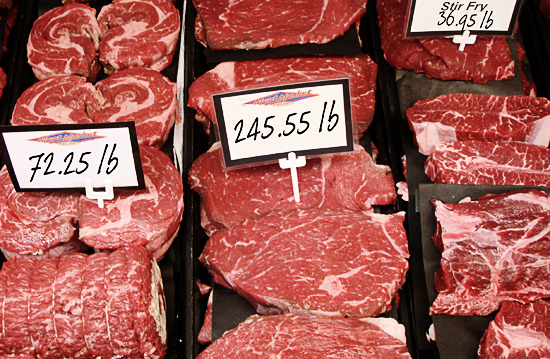
Skewering Meathunters: The True Cost of a Pound of Game Bird
I often see bird hunters profess that they hunt for food. But when I think about my days afield, meat is often the last thing that comes to mind. Don’t get me wrong, I love my Sharptail Fajitas and my Pheasant Chowder but eating game birds has always been one of the bonuses of being…
-
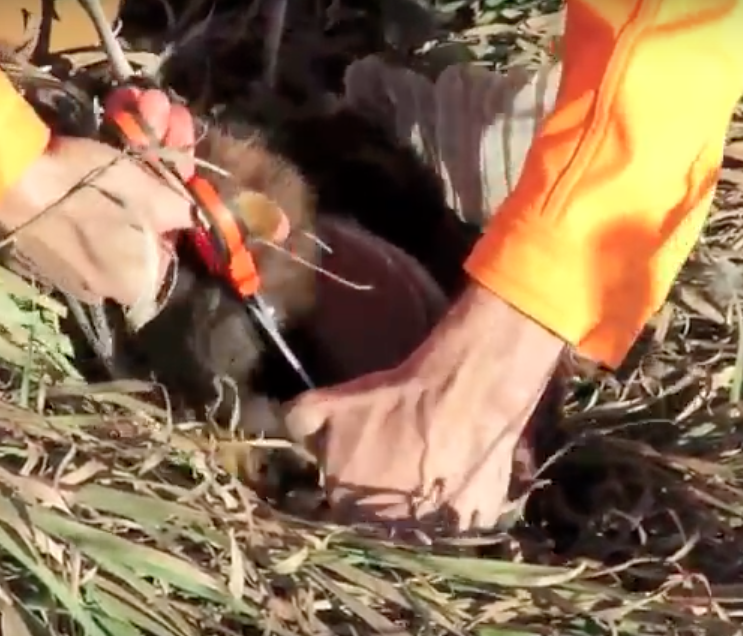
Skinning a Game Bird
There’s more than one way to skin a bird. But here’s a video showing step-by-step how we go about skinning a pheasant in order to preserve feathers for fly tying, decoration or other uses. We try to use as much of these birds as possible. With a little care and a few extra minutes you…
-
Making the Upland Stamp Work
Most of us who spend our time outdoors agree that something is going wrong for game bird species. It’s difficult to imagine the landscapes we know as no longer offering an opportunity to seek or enjoy upland birds. The steep decline experienced by many upland species isn’t the first time in history we’ve faced the…
-
Keeping Weight on Your Bird Dog
When we’re not in the field, my dogs get fed premium dog food twice a day. Normally I don’t even need a clock in the house because they start getting antsy when meal times near. I think this is why it’s so confounding that when we go hunting their interest in food is trumped…
-
-
Way Upland Season IV Episode 1
The season has arrived, time for legs and lungs to start firing. Doing a few acclimation and scouting hikes, looking for flat ground, verifying surface water and making sure that preparation for these hikes has taken hold.