Tennessee Bird Hunting
Season Spans November 1 – February 28, 2026

State Drought Monitor – Upland hunting conditions are often highly dependent upon moisture for both habitat production and bird survival.
Seasons Dates
- Quail:
- Season Dates: November 1, 2025 – January 15, 2026 (on Wildlife Management Areas, unless otherwise noted).
- Note: Specific WMA restrictions may apply; check the Tennessee Wildlife Resources Agency (TWRA) Hunting and Trapping Guide for details.
- Ruffed Grouse:
- Season Dates: Likely November 1, 2025 – February 28, 2026 (based on historical patterns; confirm with TWRA for exact 2025-26 dates).
- Pheasant:
- Tennessee is not a primary pheasant hunting state, and no specific season dates or regulations are provided for pheasants in the referenced sources. Upland bird hunting primarily focuses on quail and ruffed grouse.
Required Licenses and Costs
To hunt upland birds legally in Tennessee, hunters need the appropriate licenses. Costs vary based on residency and license type:
- Resident Hunting License:
- Annual Base Hunting License: Approximately $34 (plus processing fees of $0.50–$5.00).
- Junior License (ages 13–15): Approximately $9.
- Non-Resident Hunting License:
- Annual Hunting License: Approximately $305.
- 7-Day Hunting License: Around $61.50 (based on historical data; confirm with TWRA).
- Tennessee Migratory Bird Permit:
- Required for hunting migratory birds (e.g., doves, woodcock, snipe), except for crows. Cost not specified in sources but typically minimal (check TWRA’s GoOutdoorsTennessee.com for exact pricing).
- Federal Duck Stamp:
- Required for waterfowl hunters aged 16 and older (not typically required for upland species like quail or grouse, but relevant if hunting migratory birds like woodcock). Cost is approximately $25 (federal standard; confirm with TWRA).
- Hunter Education Requirement:
- Hunters born on or after January 1, 1969, must possess a hunter education certificate unless under 10 years old and accompanied by a licensed adult (21+). The course can be taken online or in person.
- Exemptions:
- Resident grandchildren under 16 hunting on farmland owned by their grandparents and military personnel on leave (with leave orders) may be exempt from some licensing requirements.
- Purchase Locations: Licenses can be purchased online at GoOutdoorsTennessee.com, through the TWRA mobile app, or at TWRA license agents. A Social Security Number is required for purchase due to federal law.
Daily Bag Limits and Possession Limits
- Quail:
- Daily Bag Limit: 6 birds per day (based on historical regulations; confirm with TWRA for 2025-26).
- Possession Limit: Twice the daily bag limit (12 quail), except on opening day when it equals the daily bag limit (6).
- Ruffed Grouse:
- Daily Bag Limit: 3 birds per day (based on historical data; confirm with TWRA).
- Possession Limit: Twice the daily bag limit (6 grouse), except on opening day (3).
- Woodcock (migratory upland species):
- Season Dates: November 14, 2025 – February 28, 2026.
- Daily Bag Limit: 3 birds.
- Possession Limit: Three times the daily bag limit (9 woodcock), except on opening day (3) and the second day (6).
- General Notes:
- Possession limits for migratory birds (e.g., doves, woodcock) are strictly enforced, and birds must have a head or fully feathered wing attached during transport.
- Harvests must be reported within 24 hours via the TWRA mobile app, GoOutdoorsTennessee.com, or by calling 1-800-TAG-TWRA.
Additional Regulations and Notes
- Hunting Hours: Generally from 30 minutes before sunrise to 30 minutes after sunset for most game, but migratory birds like doves have specific hours (e.g., dove season opens at noon on the first day).
- Shotgun Restrictions: For migratory birds (e.g., doves, woodcock), shotguns must hold no more than 3 shells unless plugged. Non-toxic shot is required for waterfowl and some migratory birds.
- Dogs: Allowed for hunting small game, including upland birds, except on specific WMAs where restrictions apply. Training seasons for bird dogs are regulated separately.
- Private Land: Hunting on private land requires landowner permission, with written permission needed for trapping or “Hunting By Written Permission Only” areas.
- WMA Restrictions: Some Wildlife Management Areas have unique rules, such as restricted seasons or no-dog policies. Check the TWRA Hunting Guide for specifics.
- Conservation Concerns: Upland bird populations, particularly quail and ruffed grouse, are sensitive to habitat conditions and supplemental feeding risks (e.g., aflatoxin poisoning from corn feed). Hunters are encouraged to practice ethical hunting and avoid overharvesting.
-
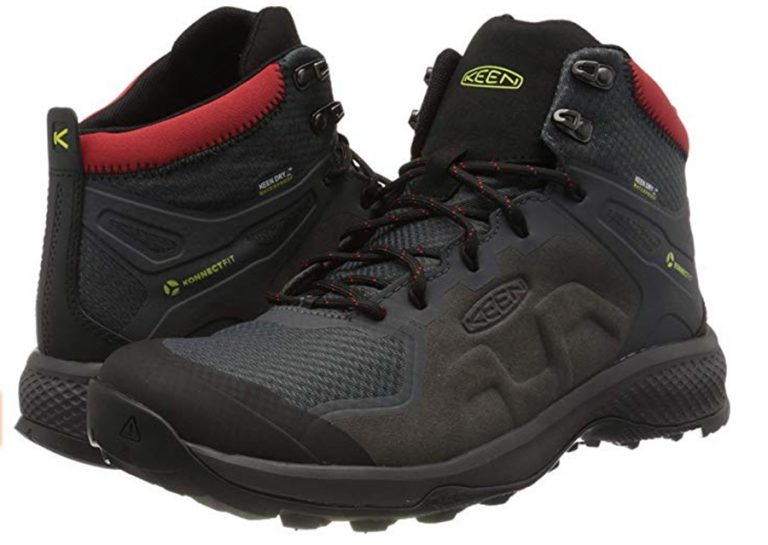
Keen Explore Waterproof
Initially I got the Keen Explore to wear around camp and on restocking trips to town between hunts. But they proved too light and comfortable to limit. These wear like running shoes but perform like hiking boots and that combination is the sweet spot for upland pursuit. Breathable, waterproof, low, mid, men’s, women’s — whatever…
-
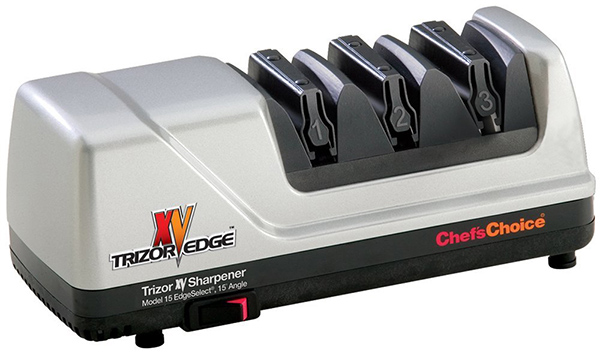
Chef’s Choice Knife Sharpener
A sharp knife is a safe knife! I know a lot of people prefer to manually hand-sharpen their knives, however you can easily damage the edge of the blade if done at the incorrect angle. This Chef Choice electric knife sharpener can be used on Hunting or Chef Knives and offers three stages (with the option…
-
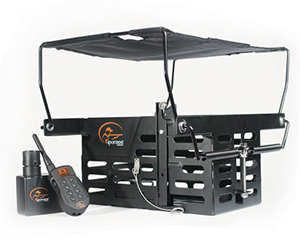
SportDOG Launcher System
The SportDOG Launcher System ($425) is a great tool for owners of pointing breeds hoping to train steadiness to flush and shot. To add realism to training, the transmitter can signal the launcher to emit the sound of a pheasant cackle or shotgun report eliminating the need for multiple assistants or cap guns. SportDOG continues to make…
-
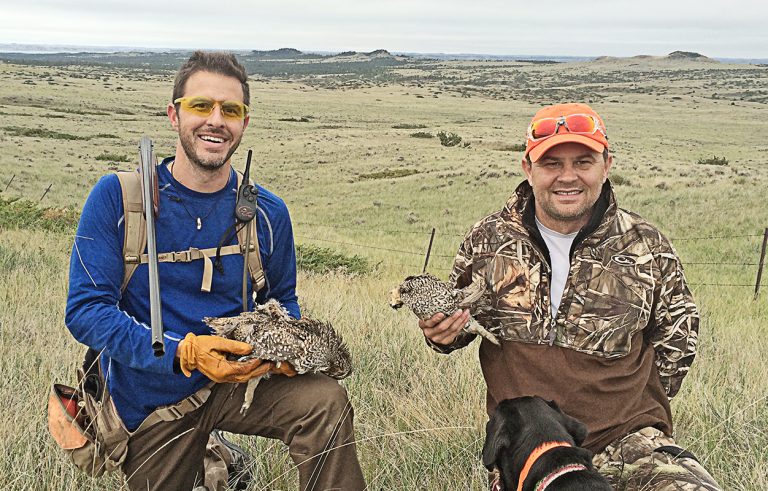
Upland with Friends
It’s easy for me to get caught up in this solo pursuit. The rhythm of walking to the horizon with shotgun in hand appeals to my obsessive nature. Shut out the world and follow the dogs. Simple. Quiet. Rewarding. But decades ago I came to be a bird hunter because of friends sharing their experience…
-
Bag Limits Creating Monsters
The first game bird bag limits in this country were established by the state of Iowa in 1878 as a way to protect remaining populations of Prairie Chicken, Ruffed Grouse and Woodcock. Iowa didn’t employ game wardens until nine years later, so it remains a mystery how such limits were enforced.* Today, bag limits are…
-
Shooting Holes in Land Transfer
At the core of the raging public lands debate are two opposing views of federal lands. Transfer advocates believe the federal government owns the land. Transfer opponents believe the American people own the land which is held in trust by the government, managed by various agencies. The truth is, regardless which view is taken, long-held…