Boykin Spaniel
The Boykin Spaniel, a versatile and charming breed, holds a unique place in American canine history as South Carolina’s state dog. Developed in the early 20th century, this small to medium-sized spaniel was bred specifically for hunting in the swampy terrains of the American Southeast, particularly in South Carolina. Its history, breed standards, and hunting prowess reflect a purposeful design tailored to the needs of hunters in challenging environments.
Breed History
The Boykin Spaniel’s origins trace back to the early 1900s in Spartanburg, South Carolina. The breed’s development is credited to Lemuel Whitaker “Whit” Boykin, a local hunter and dog enthusiast. The story begins with a stray dog, later named “Dumpy,” found by Boykin’s friend, Alexander White. This small brown dog, believed to have spaniel-like traits, showed remarkable intelligence and trainability. Whit Boykin took an interest in Dumpy and began breeding him with other spaniels, including American Water Spaniels, English Cocker Spaniels, and possibly Chesapeake Bay Retrievers, to create a dog suited for hunting in South Carolina’s Wateree River swamps.
The goal was to produce a compact, agile dog capable of working from small boats, known as “pirogues,” used by hunters to navigate shallow, marshy waters. Unlike larger retrievers, the Boykin Spaniel was designed to fit comfortably in these boats while possessing the stamina, scenting ability, and retrieving skills needed for hunting wild turkey, doves, and waterfowl. By the mid-20th century, the breed had gained popularity among local hunters, and in 1985, it was officially recognized as South Carolina’s state dog. The Boykin Spaniel Society (BSS), established in 1977, became the primary registry for the breed, promoting its preservation and responsible breeding.
Breed Standards
The Boykin Spaniel is a medium-sized dog, with a well-balanced, sturdy build that reflects its dual role as a working dog and a companion. According to the Boykin Spaniel Society and the American Kennel Club (AKC), which recognized the breed in 2009, the breed standards emphasize functionality and versatility. Key characteristics include:
- Size and Weight: Males typically stand 15.5–18 inches tall at the shoulder and weigh 30–40 pounds, while females are slightly smaller, standing 14–16.5 inches and weighing 25–35 pounds.
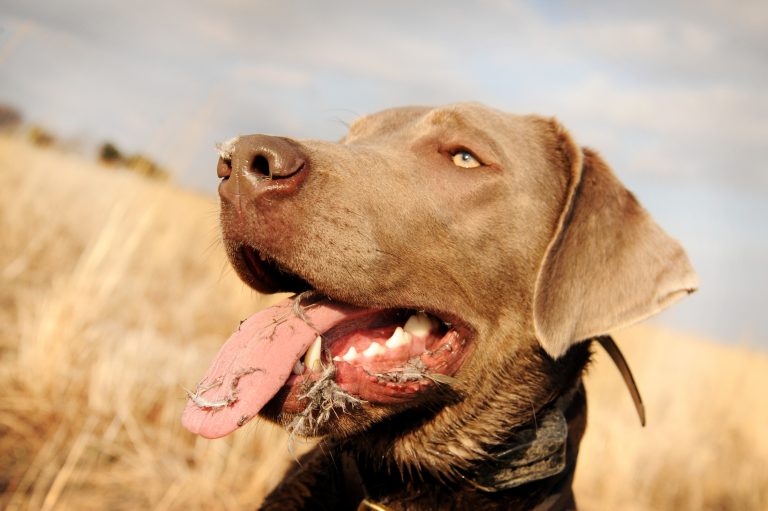
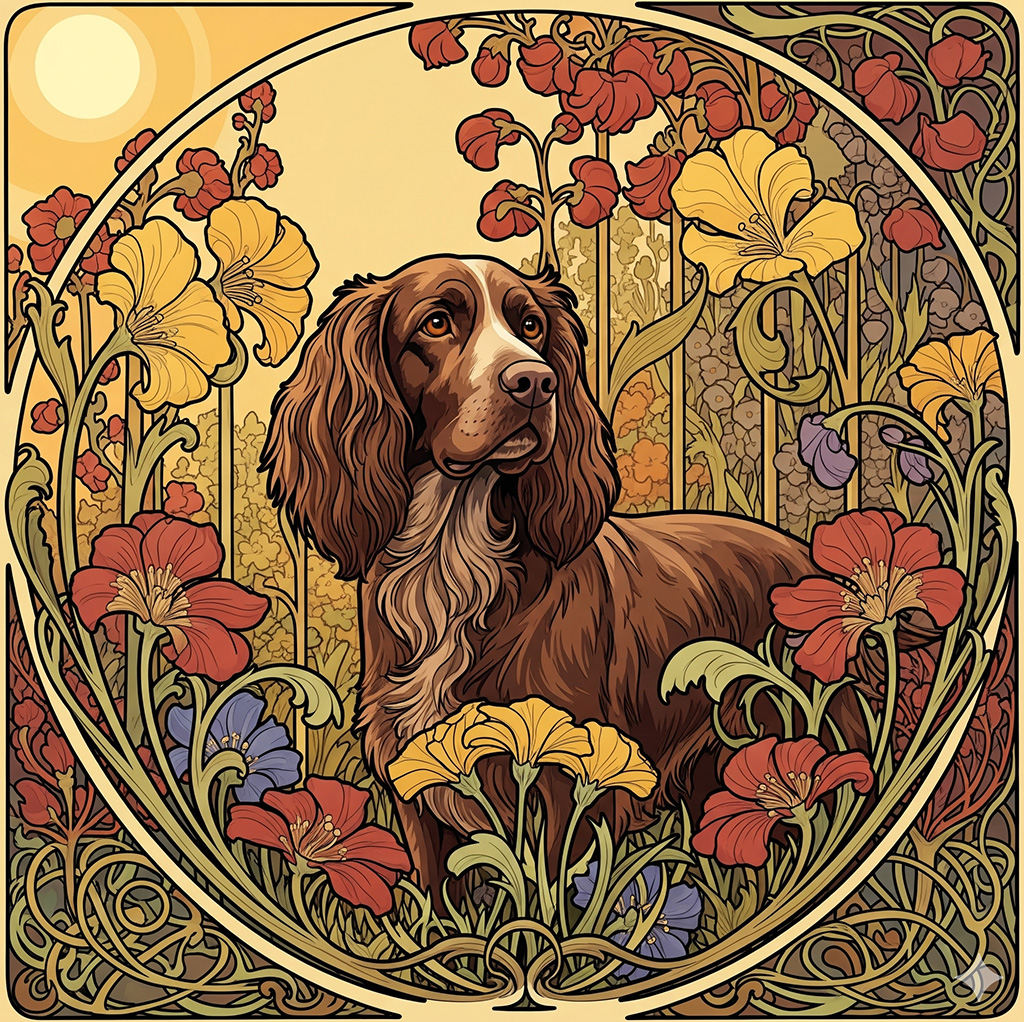
- Coat: The Boykin has a medium-length, wavy coat that is water-repellent and well-suited for wet environments. The coat is solid brown, ranging from rich liver to dark chocolate, with minimal white markings.
- Head and Expression: The head is proportionate, with a broad skull and a slightly tapered muzzle. The eyes are yellow to brown, conveying an intelligent and eager expression.
- Temperament: Boykins are known for their friendly, energetic, and eager-to-please nature. They are highly trainable, making them excellent companions for active families and hunters alike.
- Movement: Their gait is smooth and purposeful, reflecting athleticism and endurance, critical for navigating rough terrain and retrieving game.
These standards ensure the Boykin Spaniel remains true to its roots as a working dog, capable of performing in demanding outdoor conditions while maintaining a distinctive, charming appearance.
Hunting Legacy in the United States
The Boykin Spaniel’s hunting legacy is deeply tied to its role in the American Southeast, particularly in South Carolina’s low-country swamps and uplands. Bred to hunt waterfowl and wild turkey, the Boykin excels in flushing and retrieving game in challenging environments. Its compact size allows it to work efficiently from small boats, a necessity for navigating the region’s waterways. The breed’s keen sense of smell, boundless energy, and soft mouth (for gentle retrieving) make it a favorite among hunters.
Boykins are versatile, capable of hunting in diverse settings, from flooded timber to open fields. Their agility and enthusiasm enable them to flush game like doves and pheasants, while their retrieving instincts shine when working with ducks and other waterfowl. The breed’s intelligence and trainability have also made it a standout in hunting competitions and field trials. Over the decades, the Boykin Spaniel has spread beyond South Carolina, gaining recognition across the United States for its hunting prowess and adaptability.
The establishment of the Boykin Spaniel Society and its focus on maintaining the breed’s working abilities have ensured that the Boykin remains a functional hunting dog rather than solely a show or companion animal. Today, Boykins continue to be valued by hunters for their versatility, loyalty, and ability to form strong bonds with their owners, making them as adept in the field as they are in the home.
Conclusion
The Boykin Spaniel is a testament to purposeful breeding, crafted to meet the specific needs of hunters in South Carolina’s unique landscape. From its humble beginnings with a stray named Dumpy to its recognition as a beloved American breed, the Boykin Spaniel embodies a rich history of companionship and hunting excellence. Its breed standards emphasize functionality, ensuring it remains a capable working dog, while its hunting legacy continues to thrive in the United States. Whether flushing game in the swamps or curling up by the fireside, the Boykin Spaniel’s charm and versatility make it a cherished part of American canine heritage.
-
The Lab Knows
Wyatt knows he’s black. He also knows this is the color of night. He’s been able to surmise that humans have terrible night vision. During daylight hours when we take breaks from hunting, he plots. He knows most mischief will not fly in the light of day. Raiding other camps, gnawing a nearby rotting deer…
-
Meet Ida
I’ve always found the haphazard naming of dogs intriguing. I’ve wondered if a puppy grows into the name, filling the shape of some predetermined vessel? I like original names, probably because I have irrational hopes for my bird dogs to be uniquely exceptional. But then names different for different’s sake grind on me. People names…
-
Keeping Weight on Your Bird Dog
When we’re not in the field, my dogs get fed premium dog food twice a day. Normally I don’t even need a clock in the house because they start getting antsy when meal times near. I think this is why it’s so confounding that when we go hunting their interest in food is trumped…
-
The Fountain of Youth
The old boy doesn’t leap into the truck like he once could, but he still manages to lurch up the running boards and cross the center console. Instead of stowing him in the back for this road trip, I break the rules and let him ride shotgun. He acknowledges the exemption and quickly curls into…
-
A Labs First Day Afield
“No, I don’t think you understand, he has NO prior hunting experience…only obedience training.” I wrote to Brian, my new upland hunting buddy. The early morning email asking for my young lab and me to attend an upland hunt had caught me by surprise, putting a nice end to a long workweek. “Kali, it doesn’t…
-
The First Month with the New Puppy
Selective memory is a close ally to puppies. Recollection of puppy breath and cuddles gloss over the challenges of house training and toothy destruction. Adorable naps and puppy eyes erase the boundless energy and predawn bawling. It’s been six years since the last puppy, which has been plenty of time for revisionist history to mask…