Wisconsin Bird Hunting
Seasons Span September 13 – January 4, 2026

State Drought Monitor – Upland hunting conditions are often highly dependent upon moisture for both habitat production and bird survival.
Season Dates
- Ruffed Grouse
- Season Dates:
- Zone A (northern and western Wisconsin, west of U.S. Highway 151): September 13, 2025 – January 4, 2026
- Zone B (southeastern Wisconsin): October 18 – December 8, 2025
- Daily Bag Limit:
- Zone A: 5 birds
- Zone B: 2 birds
- Possession Limit:
- Zone A: 15 birds
- Zone B: 6 birds
- Season Dates:
- American Woodcock
- Season Dates: September 20 – November 3, 2025
- Daily Bag Limit: 3 birds
- Possession Limit: 9 birds
- Note: Governed by federal migratory bird laws; requires Harvest Information Program (HIP) registration.
- Ring-necked Pheasant
- Season Dates: October 18 (9 a.m.) – January 4, 2026
- Daily Bag Limit: 1 rooster on opening weekend, 2 roosters daily thereafter
- Possession Limit: 4 birds
- Note: Special noon closure areas apply to certain state wildlife areas from October through November 3, 2025. After October 19, daily shooting hours close at 2 p.m. at Richard Bong State Recreation Area (except for waterfowl and archery deer hunting).
- Bobwhite Quail
- Season Dates: October 18 (9 a.m.) – December 10, 2025
- Daily Bag Limit: 5 birds
- Possession Limit: 15 birds
- Note: Focus on areas with grassland, farmland, and woody cover (e.g., old fields, hedgerows, oak openings).
- Hungarian Partridge
- Season Dates: October 18 (9 a.m.) – January 4, 2026
- Daily Bag Limit: Not explicitly stated in provided sources, but typically 3 birds (check WDNR for confirmation)
- Possession Limit: Not explicitly stated, typically 9 birds (check WDNR for confirmation)
- Note: Hunting is prohibited in Clark, Marathon, and Taylor counties.
Required Licenses and Costs
To hunt upland birds in Wisconsin, hunters need the appropriate licenses and permits, which can be purchased through the Wisconsin DNR’s Go Wild system or at license vendors. Below are the key requirements and approximate costs (as of August 19, 2025; confirm with WDNR for exact pricing as fees may change):
- Small Game License:
- Resident: ~$18
- Non-resident: ~$85
- Junior (12–17 years): ~$7 (resident), ~$36 (non-resident)
- Note: Required for all upland game bird hunting. Hunters born on or after January 1, 1973, must complete a state-approved hunter education course, unless hunting under the Mentorship Program.
- Pheasant Stamp:
- Cost: $10 (resident and non-resident)
- Note: Required for pheasant hunting.
- Harvest Information Program (HIP) Registration:
- Cost: Free
- Note: Required for hunting migratory birds (e.g., woodcock, mourning dove). Registration can be completed when purchasing a license or later if needed.
- Federal Migratory Bird Hunting Stamp (Duck Stamp):
- Cost: ~$25 (available through Go Wild system or U.S. Post Office, additional processing fees may apply)
- Note: Required for hunters 16 and older for migratory birds like woodcock and doves.
Additional Notes
- Non-toxic Shot: Mandatory on WDNR-managed lands and all National Wildlife Refuges/Federal Waterfowl Production Areas for upland and migratory game birds. Only non-toxic shot sizes BB, BBB, T, or smaller are legal; size F shot is illegal.
- Hunting Hours: Vary by species, time of year, and location (northern vs. southern Wisconsin). Generally, from 30 minutes before sunrise to sunset for migratory birds, but check specific regulations for upland species (e.g., pages 29–31 of the WDNR Hunting Regulations).
- Blaze Orange/Pink Requirement: When a firearm deer season is active, hunters must wear at least 50% blaze orange or fluorescent pink above the waist, including hats, for safety (except for waterfowl hunting).
- Avian Influenza (HPAI): Hunters should avoid harvesting sick birds and report sightings of sick or dead game birds to the DNR Wildlife Switchboard (DNRWildlifeSwitchboard@wisconsin.gov or 608-267-0866). Proper handling and cooking to 165°F ensure safety.
- Public Land Access: Wisconsin offers public hunting lands and the Voluntary Public Access (VPA) program, with over 30,000 acres of private land accessible via the VPA interactive map.
- Regulations Booklet: For the most up-to-date and complete details, consult the Fall 2025 – Spring 2026 Combined Hunting Regulations on the WDNR website (dnr.wisconsin.gov) or the Go Wild system (gowild.wi.gov).
This summary reflects the latest available data as of August 28, 2025. Always verify with the Wisconsin DNR for any updates or changes to season dates, fees, or regulations before hunting.
-
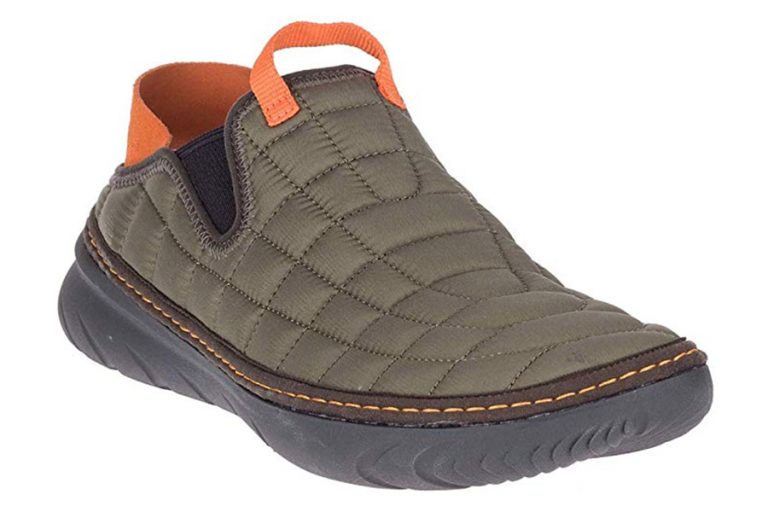
Merrell Hut Moc
The Hut Moc are the perfect footwear solution for knocking around camp. Lightweight with quilted tops, they easily slide on and off getting in and out of the tent or camper. The soles are still beefy enough to protect feet from rocks, sticks or embers. Great color options are available for both men and women…
-
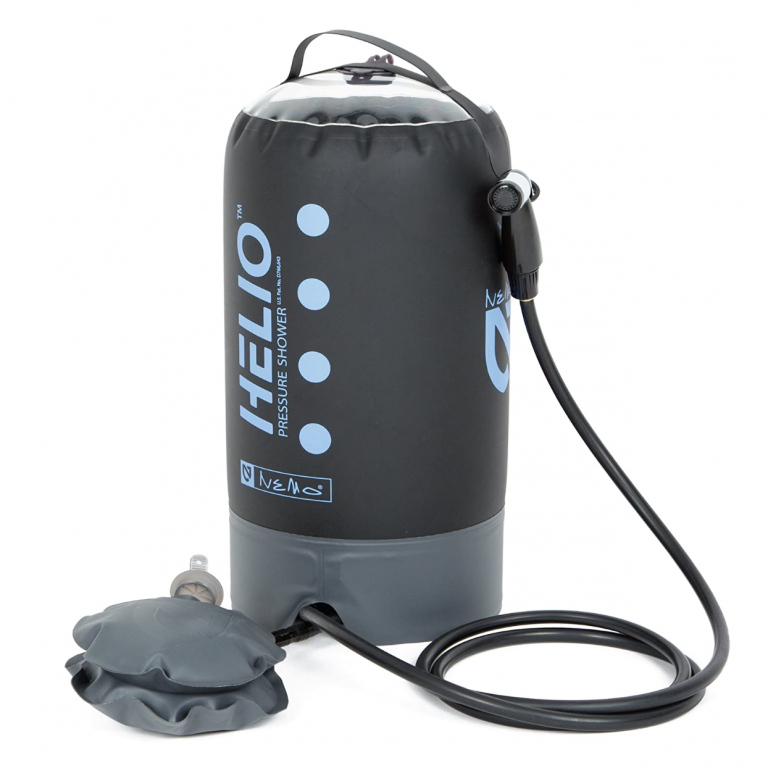
Helio Pressure Shower
Hunting in Alaska this year I went 20 days without a shower. Never again. NEMO makes the Helio Pressure Shower ($99) specifically for these backcountry adventures. It’s also a great solution for hosing off bird dogs that have rolled in mystery stench. Honestly, in Alaska I may have smelled worse than the dogs. The Helio packs up…
-
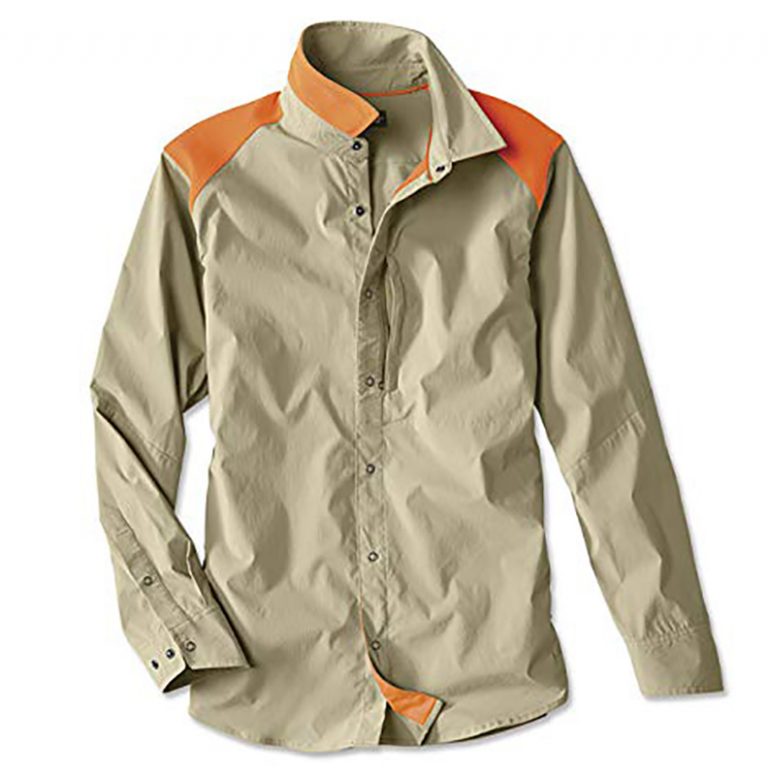
Orvis Pro LT Hunting Shirt
Details. This shirt, along with most of the latest Orvis upland apparel, is all about the details. Stretch fabric, articulated elbows, fast drying with Polygiene treatment for odor control let you wear it on hot, multi-day treks, look great and not smell like garbage. Everything is low-profile, from snaps to pockets, so there is nothing…
-
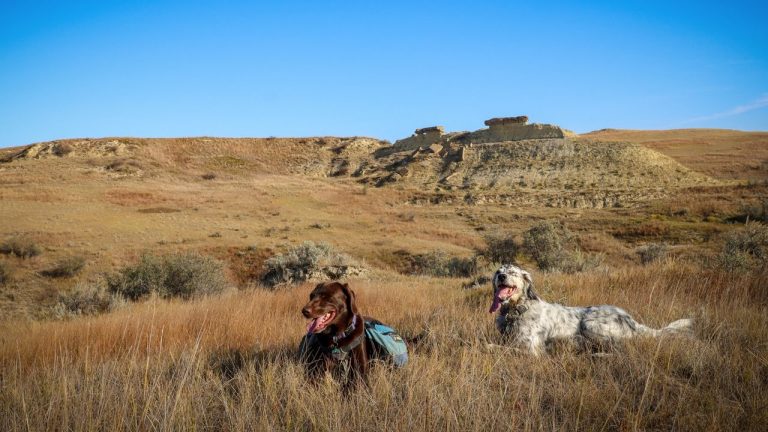
Way Upland Season II Episode 6
Seems like we’ve made it out of the Missouri River basin and are alone on this stretch of the Buffalo Gap Trail. We’re seeing more Sharptail than other sections and the bike rides are a little less intense out here on top. Great views, great camping….. but why is it so hot? Please subscribe to…
-
The Journey
I learned to bird hunt with friends — we weren’t reading about it or seeing it online or in social posts because there wasn’t an internet. We didn’t have a script or playbook from the past. We would unleash half-wild dogs into the field and walk our legs off in pursuit. Actually, we probably did…
-
Grouse Feathers by Burton Spiller
This book is a classic that was first published in 1934. There’s no better way to get some perspective in the off season than to listen to Spiller recount the heydays of Ruffed pursuit. It’s a fast read, even available in Kindle version. ($16.55 paperback/ $12.62 Kindle) Click here.