Vermont Bird Hunting
Seasons Span September 27 – December 31, 2026

State Drought Monitor – Upland hunting conditions are often highly dependent upon moisture for both habitat production and bird survival.
Seasons Dates
- Ruffed Grouse:
- Season: September 27 – December 31, 2025
- Notes: Found statewide, with the Northeast Kingdom offering the best hunting opportunities. Focus on overgrown apple orchards, abandoned hillside farms, and regenerating clear cuts with aspen and birch.
- American Woodcock:
- Season: September 28 – November 11, 2025
- Notes: Found in similar habitats as ruffed grouse, such as woody shrubs and birch/aspen thickets. Peak hunting occurs mid-to-late October due to migration from Canada.
- Ring-necked Pheasant:
- Season: September 29 – December 31, 2025
- Notes: Rare, primarily found in the Champlain Valley. Available on licensed hunting preserves.
- Common Snipe:
- Season: September 28 – November 11, 2025 (same as woodcock)
- Notes: Migratory bird, hunted in similar habitats as woodcock.
- Bobwhite Quail and Chukar Partridge:
- Season: No open season in the wild; available only on licensed hunting preserves.
- Spruce Grouse and Hungarian Partridge:
- Season: No open season.
Required Licenses and Costs
- Hunting License:
- Resident: $26
- Non-resident: $50
- Notes: All hunters must complete a hunter education course before purchasing a license. The course includes a written exam (sixth-grade level) and a one-day field exercise. Hunters under 18 must complete both an online course and an in-person class.
- Migratory Bird Requirements (for woodcock and common snipe):
- Federal Duck Stamp: Required for hunters 16 and older, purchased separately through the U.S. Fish and Wildlife Service (e.g., post offices or online at www.fws.gov). Cost not specified in sources, but typically around $25 annually. Must be signed by the hunter.
- Vermont Migratory Waterfowl Tag: Required for hunters 16 and older, available on the Vermont Fish & Wildlife website or from license agents. Cost not specified in sources.
- Harvest Information Program (H.I.P.) Registration: Mandatory for all migratory game bird hunters (woodcock, snipe, ducks, geese). Register online at www.vtfishandwildlife.com or call 1-877-306-7091 to receive an annual H.I.P. number, which must be recorded on the hunting license. No additional cost for registration.
- Other Notes:
- No additional permits or tags are required for upland birds like ruffed grouse or pheasant, unlike big game species (e.g., deer, moose) which may require specific tags or lottery permits.
- Licenses can be purchased online or at local license agents. Verify requirements on the Vermont Fish & Wildlife website.
Daily Bag Limits and Possession Limits
- Ruffed Grouse:
- Daily Bag Limit: 4
- Possession Limit: 8
- American Woodcock:
- Daily Bag Limit: 3
- Possession Limit: 9
- Ring-necked Pheasant:
- Daily Bag Limit: 2
- Possession Limit: 4
- Bobwhite Quail and Chukar Partridge:
- No limits specified for licensed hunting preserves; no open season in the wild.
- Notes:
- Possession limits apply after the first two days of the season for most species (e.g., pheasant possession limit is 4 after the first two days).
- Non-toxic shot is required for waterfowl and coots, but not for woodcock or snipe, though hunters must not possess lead shot while hunting waterfowl.
Additional Regulations and Notes
- Hunting Methods:
- Ruffed grouse and pheasant can be hunted with a shotgun or bow. Woodcock and snipe are typically hunted with shotguns.
- For small game (including upland birds), use .22 caliber rimfire or shotgun with #2 shot or smaller.
- Baiting, snares, traps, salt licks, jacks, or lights are illegal for hunting any wild animal.
- Habitat and Locations:
- Vermont offers excellent upland bird hunting, especially in the Northeast Kingdom. Wildlife Management Areas (WMAs) like the Nulhegan Basin and Wenlock WMA are managed for grouse.
- Private land is open to hunting unless posted against it, but always obtain landowner permission.
- Conservation and Ethics:
- Hunters are encouraged to self-regulate and consider habitat impacts when pursuing bag limits, as grouse populations have declined in some areas due to habitat loss.
- Always verify season dates, bag limits, and regulations with the Vermont Fish & Wildlife Department (www.vtfishandwildlife.com) before hunting, as changes may occur.
For the most up-to-date information, consult the Vermont Fish & Wildlife Department’s website or the 2025-26 Migratory Bird Syllabus, available online or at license agents and post offices by August 2025.
-
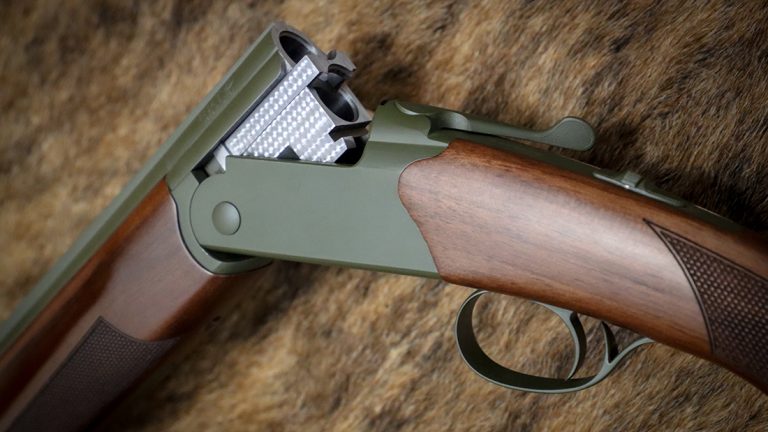
CZ Upland Ultralight All-Terrain 20 Gauge Shotgun
We’ve been putting the CZ Upland Ultralight through the paces for a number of months now. CZ has done a really good job of making upgrades to this over/under platform while still managing to keep the price reasonable for a new double. The first thing you’ll notice is the color: sage, matte Cerakote cloaks the…
-
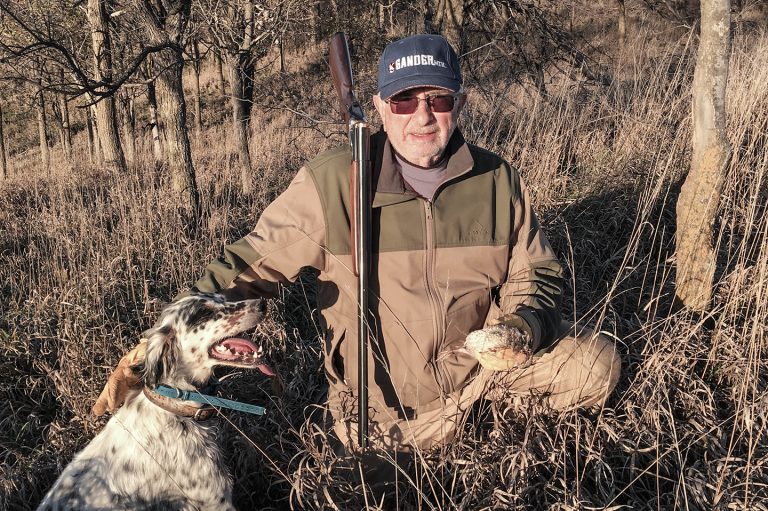
The Quail Hunter’s Lost Code
There’s a small, back corner on a piece of public land in Kansas that my dad and I have hunted for 10 years. It’s a good walk, probably a mile and a half each way. We are always drawn to the corner because every year there is a covey of Bobwhite in this tiny, scrubby…
-
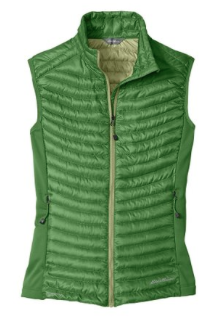
Eddie Bauer and Barbour Vests
The Eddie Bauer Micro Therm StormDown Vest or padded vest by Barbour offer the perfect form-fitting mid-layer for the field.
-
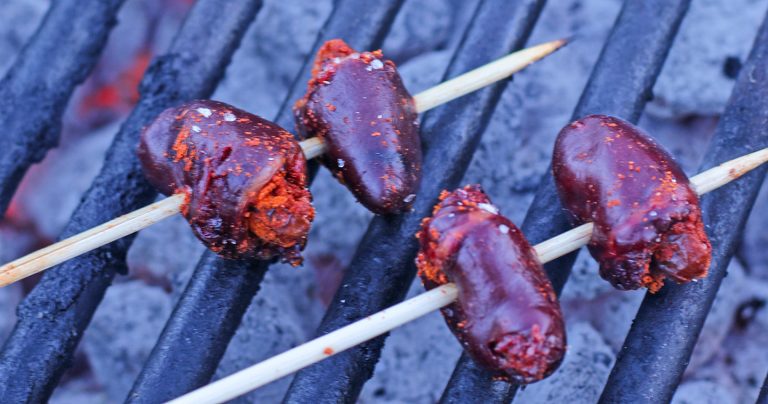
Hot Drunk Dates and Broken Hearts
Decided to take a lot of my favorite things from the camp pantry and do a quick, simple recipe in classic country song style. Here’s to eating beak to feet. Game birds hearts should never go to waste. Great, lean protein for camp appetizers.
-
Rio’s First Hunt
It’s easy to forget what it’s like to bring a young dog to the field. And it is truly revealing just how dependent one can get on a trusted and trained dog. I could have brought Wyatt the four-year-old lab along on this little adventure. He’s got the game down. He knows all the moves,…
-
Ruffwear Highlands Pad
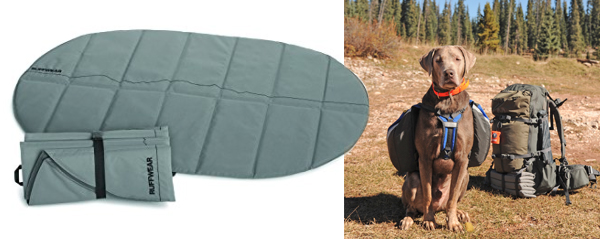
When roughin’ it in the backcountry, your K9 companion needs to sleep just as well as you do to have the energy to find wild birds. In search of a lightweight pad to carry for Lincoln on our backpacking adventure up 12,000 feet to chase ptarmigan, I stumbled upon the Highlands Pad from Ruffwear ($30)….