Maryland Bird Hunting
Seasons Span October 3 – February 28, 2027

State Drought Monitor – Upland hunting conditions are often highly dependent upon moisture for both habitat production and bird survival.
Maryland Upland Game Bird Hunting Overview
State DNR & Licensing Information
Upland and migratory game bird hunting in Maryland is administered by the Maryland Department of Natural Resources (MDNR), Wildlife and Heritage Service. (Maryland Department of Natural Resources)
License Requirements & Fees
- Resident Hunting License: Required for most resident hunters.
- Nonresident Hunting License: Required for nonresident hunters.
- Maryland Migratory Game Bird Stamp: Required for applicable migratory bird hunting.
- Federal Migratory Bird Hunting & Conservation Stamp: Required where applicable.
- HIP Certification: Required for migratory game birds.
- Maryland hunting licenses go on sale August 1 and are valid through July 31. (Maryland Department of Natural Resources)
Season Dates & Bag Limits — 2026–2027
Ruffed Grouse
- Season: October 3, 2026–January 30, 2027
- Daily Limit: 2
- Possession Limit: 4
Bobwhite Quail
- Season: November 7, 2026–January 15, 2027
- Daily Limit: 6
- Possession Limit: 12
- Important: Closed on DNR-owned or managed lands east of the Susquehanna River and in Garrett and Allegany counties. (Maryland Department of Natural Resources)
Ring-Necked Pheasant
- Season: November 7, 2026–February 28, 2027
- Daily Limit: 2
- Possession Limit: 4
- Stocked Hunt: Special lottery hunts will be held November 21–22, 2026 for eligible youth, apprentice, first-time and lapsed hunters. (Maryland Department of Natural Resources)
American Woodcock
- First Segment: October 24–November 27, 2026
- Second Segment: January 11–27, 2027
- Daily Limit: 3
- Possession Limit: 9 (Maryland Department of Natural Resources)
Mourning Dove
- Season: September 1, 2026–January 9, 2027, divided into segments
- Daily Limit: 15
- Possession Limit: 45
Weather Assessment & Bird Hunting Outlook
Survey Methodology
MDNR uses:
- Ruffed Grouse Cooperator Surveys: Hunters report flushes, locations and hunting effort.
- Migratory Bird Surveys: DNR monitors abundance, distribution, harvest and mortality.
- Woodcock Population Surveys: Maryland participates in the long-term federal Singing Ground Survey and Wing-collection Survey. (Maryland Department of Natural Resources)
The latest federal woodcock report estimated approximately 400 Maryland woodcock harvested by about 400 hunters in 2024–25, illustrating that Maryland is primarily a secondary wintering/migration destination rather than a major woodcock-harvest state. (Maryland Department of Natural Resources)
Weather Impact & Habitat Conditions
- Grouse: Spring weather affects nesting and brood survival, but young forest habitat is the dominant long-term factor.
- Quail: Warm, moderately wet nesting and brood-rearing conditions are favorable; habitat availability remains the major constraint.
- Woodcock: Fall rainfall and cold fronts are particularly important because they affect migration timing and soil conditions for feeding.
- Dove: Crop maturity, agricultural field management and early-season weather fronts largely determine local concentrations.
- Snipe/Rails: Wetland and soil moisture conditions are critical.
Maryland is entering the 2026 season following a nationally exceptional summer for heat, with July 2026 becoming the hottest month on record nationally. For Maryland, the more important forecast variable heading into fall will be local rainfall and the timing of early cold fronts, rather than summer temperature alone. (AP News)
2026–27 Statewide Population Outlook
- Ruffed Grouse — FAIR: Western Maryland remains the state’s best grouse country, but habitat succession and limited young forest constrain populations.
- Bobwhite Quail — POOR–FAIR: Opportunities are highly localized, with agricultural and early-successional habitat providing the best prospects. LeCompte WMA on the Eastern Shore is specifically managed for quail and woodcock. (Maryland Department of Natural Resources)
- American Woodcock — FAIR: Maryland provides migration and winter habitat, but current harvest numbers are modest. The best opportunities should follow favorable rainfall and migration fronts.
- Mourning Dove — GOOD: The state’s broad agricultural landscape and managed dove fields provide the strongest overall upland opportunity.
- Ring-Necked Pheasant — GOOD, LOCALIZED: Strongest opportunity is through MDNR’s stocked hunts and regulated shooting areas rather than wild birds. (Maryland Department of Natural Resources)
- Wilson’s Snipe & Rails — FAIR: Highly dependent on localized wetland conditions.
Overall Maryland Outlook: FAIR–GOOD. Maryland is not a destination state for abundant wild quail or grouse, but its combination of western Appalachian grouse habitat, Eastern Shore quail/woodcock habitat, agricultural dove hunting and stocked pheasant opportunities gives it a respectable variety of upland hunting.
For further details, visit the Maryland DNR website or contact them at 410-260-8540.
-
Backyard Bobwhite: Part 1
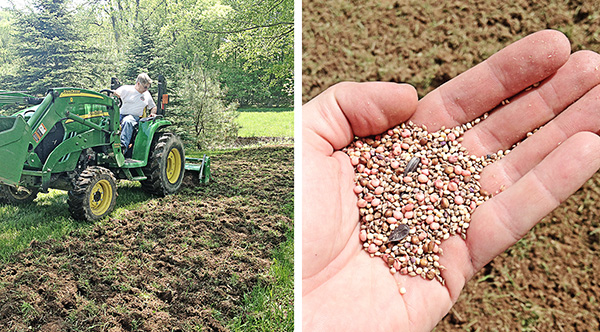
Is the key to restoring quail right out your back door? I grew up in small farming community in rural Northeast Ohio. It’s not considered an upland bird hot spot. But I still remember seeing wild quail when I was a kid. And I’ve verified this with others from the area. Bobwhite used to inhabit…
-
Granny Smith Phez Hand Pies
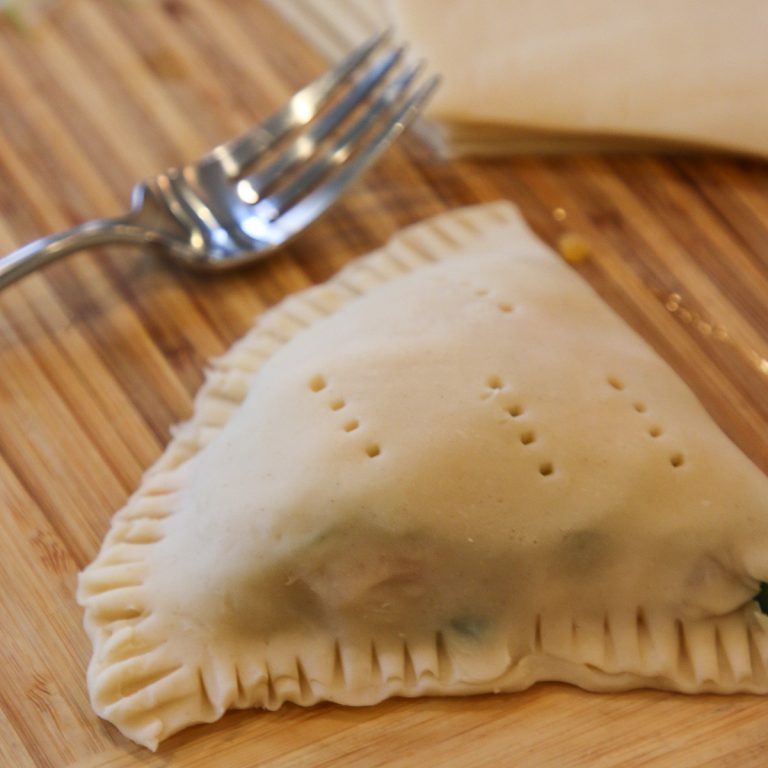
I don’t believe I’ve ever met a pie I didn’t like. For those unfamiliar with travel hunting, hunters have to consume birds that we shoot at a pace that equals harvest. Most states the possession limit is twice the daily bag limit. Say the daily bag is three pheasant and we are lucky to shoot…
-
Skewering Meathunters: The True Cost of a Pound of Game Bird
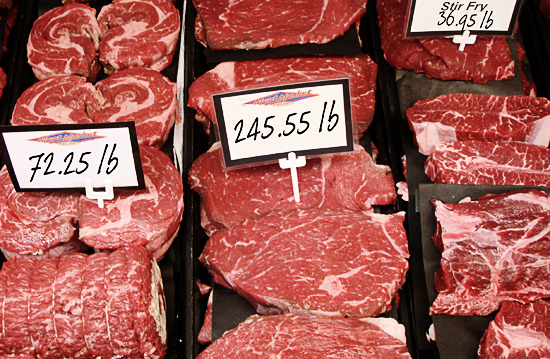
I often see bird hunters profess that they hunt for food. But when I think about my days afield, meat is often the last thing that comes to mind. Don’t get me wrong, I love my Sharptail Fajitas and my Pheasant Chowder but eating game birds has always been one of the bonuses of being…
-
A Labs First Day Afield
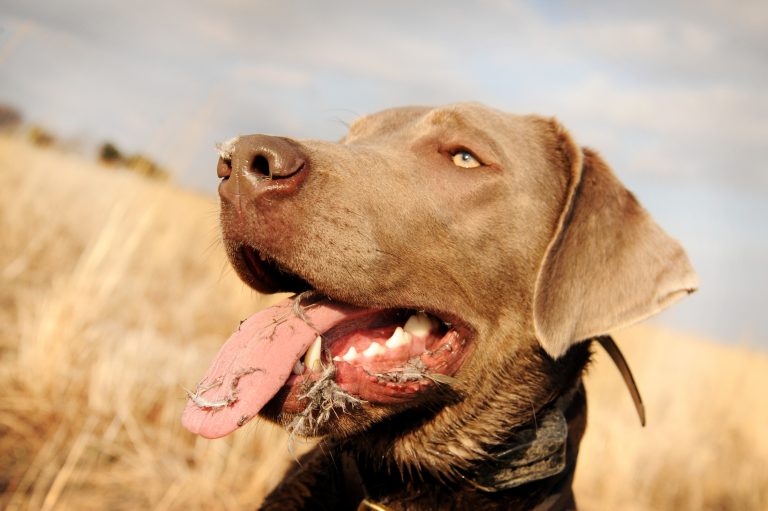
“No, I don’t think you understand, he has NO prior hunting experience…only obedience training.” I wrote to Brian, my new upland hunting buddy. The early morning email asking for my young lab and me to attend an upland hunt had caught me by surprise, putting a nice end to a long workweek. “Kali, it doesn’t…
-
Why We Hunt With Dogs
This morning I took my lab Wyatt out for a weekend stomp on public ground. Yesterday while in the field at first light I saw several other trucks with hunters trying to hunt the same field which we beat them to that day. Needless to say, the public options close to population centers here in…
-
Filson Double-Thick Belt and Goat Skin Gloves
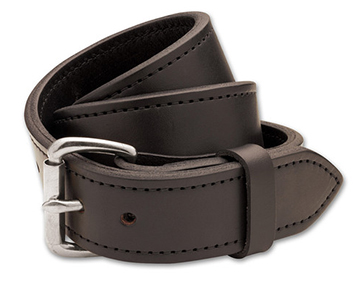
Filson is widely renowned for their indestructible Tin Cloth clothing. But this season we’ve been especially impressed with the quality of their leather. The Filson Double-Thick Belt may be the last belt you ever purchase. Sturdy is an understatement. Eat as much as you want over the holidays, we guarantee it can strap it in. This belt…