Maine Bird Hunting
Seasons Span September 26 – December 31, 2026

State Drought Monitor – Upland hunting conditions are often highly dependent upon moisture for both habitat production and bird survival.
Maine Upland Game Bird Hunting Overview
State DNR & Licensing Information
Upland game bird hunting in Maine is administered by the Maine Department of Inland Fisheries & Wildlife (MDIFW).
License Requirements & Fees
- Resident Small Game License: $15
- Nonresident Small Game License: $75
- Nonresident 3-Day Small Game License: $50
- Resident Combination Hunting & Fishing: $48
- Nonresident Combination Hunting & Fishing: $169
- Pheasant Permit: $27 — required for hunters 16+ hunting pheasant in Cumberland and York counties.
- Migratory Game Bird/HIP: Required for woodcock, snipe, rails and other applicable migratory birds. (Maine)
Season Dates & Bag Limits — 2026–2027
Ruffed Grouse & Bobwhite Quail
- Season: September 26–December 31, 2026
- Daily Limit: 4
- Possession Limit: 8
Pheasant
- Season: September 26–December 31, 2026
- Daily Limit: 2
- Possession Limit: 4
- Special Requirement: Pheasant permit required in Cumberland and York counties.
American Woodcock
- Season: September 26–November 17, 2026
- Daily Limit: 3
- Possession Limit: 9
All seasons are subject to Maine’s prohibition on Sunday hunting. (Maine)
Weather Assessment & Bird Hunting Outlook
Survey Methodology
MDIFW uses several sources to monitor Maine’s upland birds:
- Ruffed Grouse: Drumming, brood and harvest information are used to assess annual abundance and recruitment.
- Woodcock: Maine participates in the long-running Singing Ground Survey, which monitors breeding males along standardized routes.
- Harvest/HIP Data: Hunter harvest information provides additional population and participation indicators. (Maine)
Maine’s long-term data show that ruffed grouse remain abundant but vary considerably by habitat and year. Woodcock, meanwhile, have experienced a long-term range-wide decline, although MDIFW has reported Maine’s breeding population as relatively robust in recent assessments. (Maine)
Weather Impact & Habitat Conditions
- Ruffed Grouse: Spring and early-summer weather is important for nesting and brood survival. Wet periods can reduce brood success, while good insect production benefits chicks.
- Woodcock: Moist soil conditions are particularly important. Fall rainfall and cold fronts can concentrate migrating birds in alder and other suitable cover.
- Pheasant: Primarily a stocking-driven opportunity; weather affects survival and distribution after release more than statewide population.
- Snipe/Rails: Wet conditions and available shallow-water habitat are the primary short-term factors.
Maine’s 2026 summer has been warmer than normal, while precipitation has varied sharply by region. Northern Maine has generally received near-normal rainfall, while central and southern Maine experienced substantially drier conditions in July. Bangor recorded only 0.81 inches in July—its fourth-driest July on record—while Caribou received 4.47 inches. (National Weather Service)
2026–27 Statewide Population Outlook
- Ruffed Grouse — GOOD: Maine remains one of the country’s premier grouse states. Habitat quality varies considerably, but the extensive mixed-age forest of northern, western and central Maine provides excellent potential. The 2026 summer’s regional dryness is a concern in southern/central areas, but northern Maine has maintained better moisture conditions. (Maine)
- American Woodcock — GOOD: Maine remains an important breeding and migration state. Suitable young-forest habitat and moist soils should provide good opportunities, particularly where fall rains produce favorable feeding conditions. (Maine)
- Pheasant — GOOD, LOCALIZED: Hunting is concentrated around southern Maine release sites, with the strongest opportunities in Cumberland and York counties.
- Common Snipe — FAIR–GOOD: Prospects should improve where late-summer and fall rainfall restores wet-soil conditions.
- Rails — FAIR: Highly localized and dependent on suitable marsh and wetland conditions.
Overall Maine Outlook: GOOD–EXCELLENT. Maine’s combination of extensive forest habitat, abundant ruffed grouse, strong woodcock habitat and a stocked pheasant program makes it one of the better all-around upland destinations in the Northeast. (Maine)
For the most up-to-date information, consult the Maine Department of Inland Fisheries and Wildlife (MDIFW) website at mefishwildlife.com or contact their office at 207-287-8000.
-
Open Letter to Governor John Kasich
Governor Kasich: Ohio’s wildlife and wild spaces are no place for power-brokering or politics. Despite over 30 conservation and sporting organizations and five retired Ohio Division of Wildlife chiefs calling for modest price increases in Ohio hunting and fishing licenses, the Ohio Division of Natural Resources Director James Zehringer, Assistant Directors Fred Shemp and Gary…
-
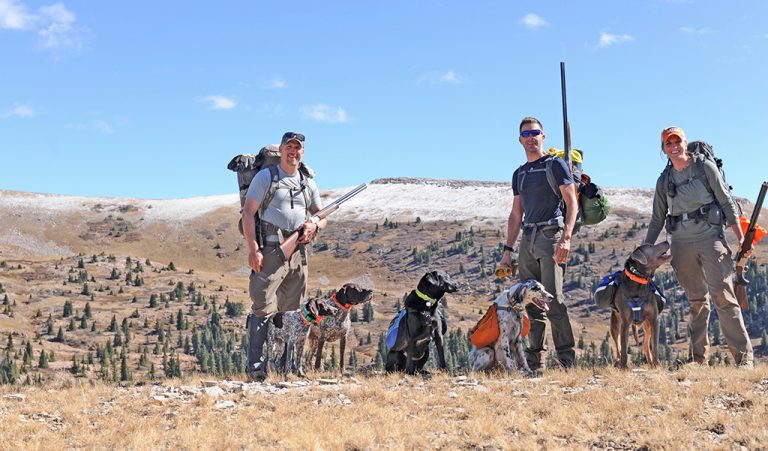
To the Edge with Friends and Dogs
We all have limits. But that edge is never static. It’s a river that rages perilously close or meanders docile and aimless in the distance. Most people are perfectly comfortable keeping a healthy distance—there is absolutely nothing wrong with that. But there is something about that torrent that is captivating and revealing. What we see…
-
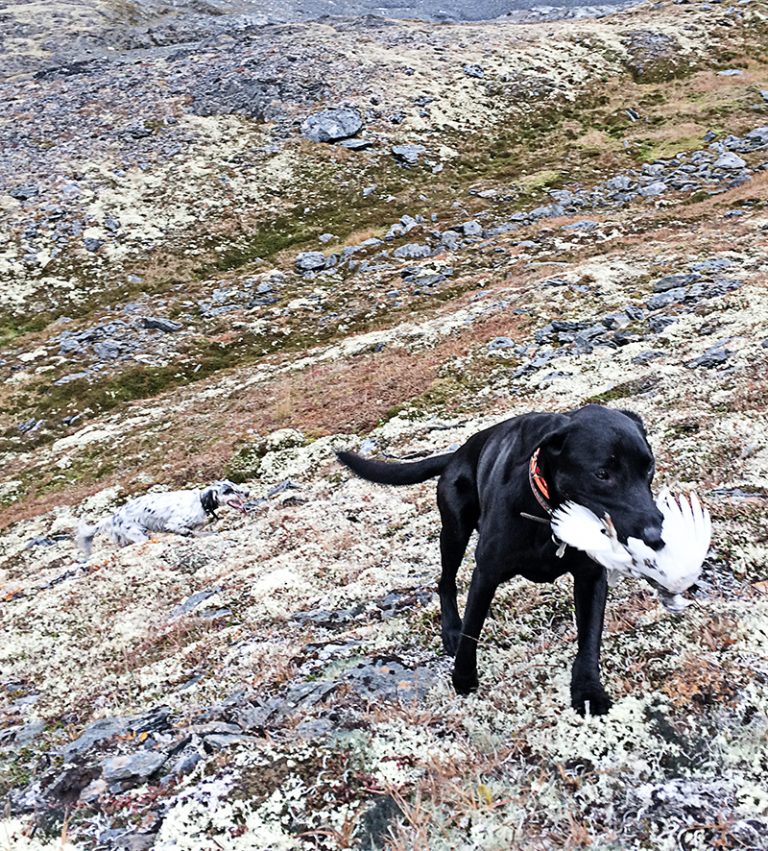
White-tailed Demons
Something is wrong with me. Any other sane bird hunter would have packed up and moved to the interior where the bird numbers and density are greater. But I’m entrenched in the Kenai and I can’t get away from it. I’ve shot a White-tailed Ptarmigan already. I’ve seen where they live. I know their confounding…
-
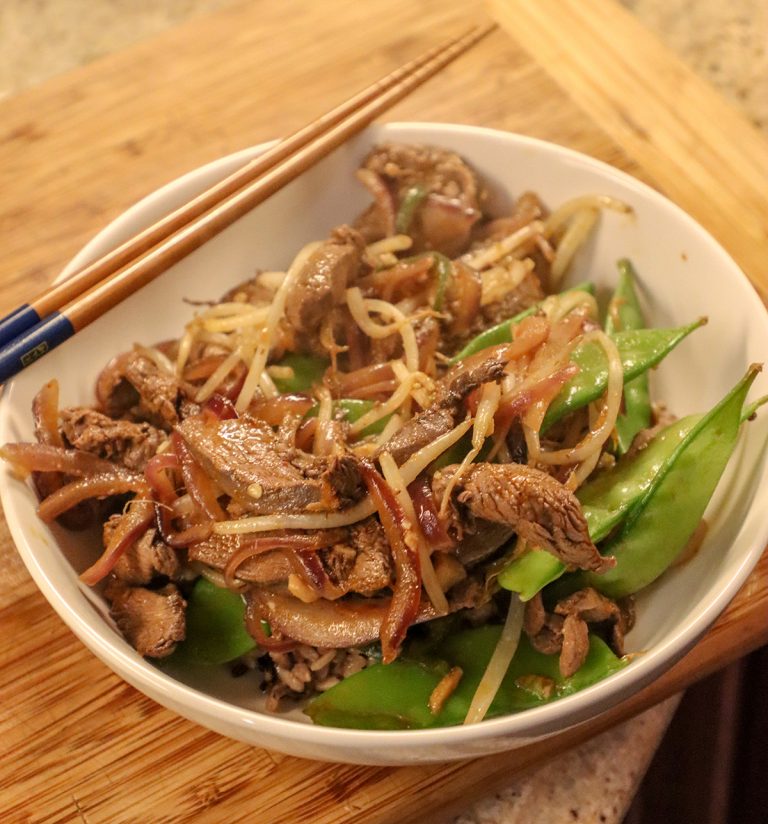
Sharptail Stir Fry
Simple preparation, short list of ingredients, really lets the bird shine. Prairie grouse and a hot wok are hard to beat.
-
The Last Bird: Living in the Upland Death Spiral
Most of the upland birds around here vanished during the Storm of the Century that dumped 30 inches of snow atop a base of frozen rain accompanied by -60° wind chill. Though game birds were on a downward trajectory long before that fateful day, the 43 years since have shown there’s little hope for any…
-
Orvis Barbour Wax Jacket
One of the biggest challenges I face hunting the open plains of North Dakota is the wind. During the winter months the freezing temperature combined with high wind can be brutal. I love waxed canvas because it not only keeps you dry during snowfall, but it is excellent for blocking out the wind. The Barbour…