Indiana Bird Hunting
Seasons Span October 15 – January 10, 2027

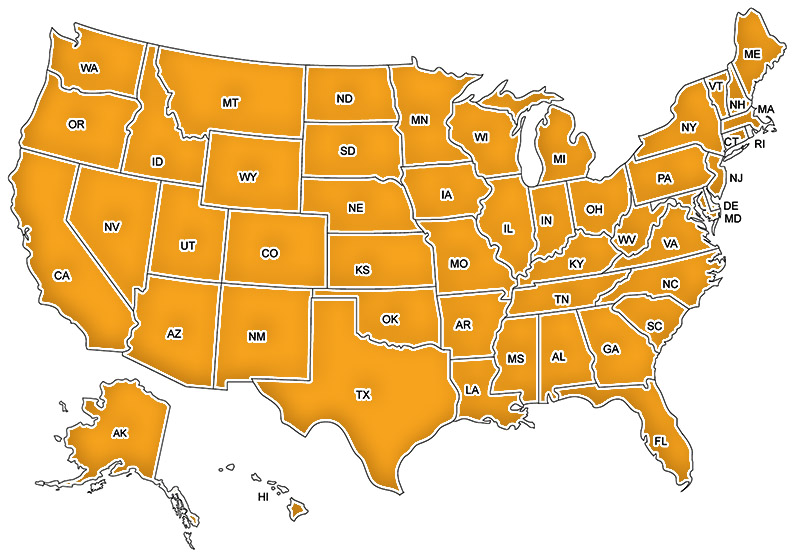
State Drought Monitor – Upland hunting conditions are often highly dependent upon moisture for both habitat production and bird survival.
Official License Fees (Indiana Department of Natural Resources)
All hunters must possess a valid Indiana hunting license and applicable stamps prior to going afield. Licenses are valid for the annual license year (April 1 through March 31).
- Resident Annual Hunting License: $20.00
- Non-Resident Annual Hunting License: $90.00
- Non-Resident 5-Day Hunting License: $50.00
- Gamebird Habitat Stamp Privilege: $11.00 (Required for resident and non-resident hunters pursuing quail, pheasant, turkey, or mourning dove in addition to a valid base hunting license)
- Resident Youth Consolidated Hunt/Trap License (Ages 17 and under): $12.00 (Covers all resident hunting, trapping, and state stamp privileges)
- Non-Resident Youth Annual Hunting License: $20.00
- Harvest Information Program (HIP) Registration: Free (Required for all migratory game bird hunting, including woodcock, dove, and snipe)
Season Dates, Daily Bag Limits & Possession Limits
Northern Bobwhite Quail
- North Zone (North of Interstate 74): November 1 – December 15
- Daily Bag Limit: 4 birds per day (2 per day on North Zone state Fish & Wildlife Areas, Mississinewa Lake, and Salamonie Lake)
- Possession Limit: 8 birds
- South Zone (South of Interstate 74): November 1 – January 10
- Daily Bag Limit: 8 birds per day (4 per day on South Zone state Fish & Wildlife Areas and Patoka Lake)
- Possession Limit: 16 birds
- Notes: Requires a standard base hunting license plus the Indiana Gamebird Habitat Stamp.
Ring-necked Pheasant (Cock Only)
- Statewide Season: November 1 – December 15
- Daily Bag Limit: 2 cocks (roosters) per day
- Possession Limit: 4 cocks
- Put-and-Take Hunts: Managed reserve hunts take place on designated DNR Fish & Wildlife Areas (such as Atterbury, Glendale, J.E. Roush Lake, Pigeon River, Tri-County, Willow Slough, and Winamac). These hunts require an online property reservation ($30 property fee) and carry a bag limit of 2 birds of either sex (except at Pigeon River, Willow Slough, and Winamac FWAs, which are rooster only).
American Woodcock
- Season: October 15 – November 28
- Daily Bag Limit: 3 birds per day
- Possession Limit: 9 birds
- Notes: Requires a valid hunting license and free HIP registration.
Mourning Dove
- Split Seasons:
- First Split: September 1 – October 18
- Second Split: November 1 – November 29
- Third Split: December 19 – December 31
- Daily Bag Limit: 15 birds per day (aggregate with white-winged doves)
- Possession Limit: 45 birds
- Notes: Requires base hunting license, Gamebird Habitat Stamp, and HIP registration.
Wilson’s Snipe
- Season: September 1 – December 16
- Daily Bag Limit: 8 birds per day
- Possession Limit: 24 birds
Weather Assessment & Bird Hunting Outlook
Weather & Habitat Conditions
- Nesting & Brood Conditions: Indiana’s core upland regions experienced typical seasonal temperatures with adequate spring rainfall. The lack of widespread late-spring flooding or severe summer weather patterns supported fair nesting success and insect production across grassland complexes.
- Habitat Quality: Habitat quality remains closely tied to localized Conservation Reserve Program (CRP) acreage, reclaimed surface mine lands in southern Indiana, and actively managed DNR Fish & Wildlife Areas.
Hunting Outlook
- Quail Outlook: The South Zone (south of I-74) offers the best wild bobwhite hunting in the state, particularly across public Fish & Wildlife Areas and private lands with brushy field edges and early-successional cover.
- Pheasant Outlook: Wild ring-neck hunting is restricted to isolated pockets of habitat in northern and west-central counties with high CRP density. Stocked put-and-take hunts on DNR properties provide dependable shooting opportunities for hunters without access to private wild-bird cover.
- Migratory Outlook: Woodcock hunting depends heavily on cold fronts pushing flight birds through river bottomlands and moist alder/young-hardwood thickets during November. Early-season dove field management on public lands yields good opening-week success.
This summary covers the key details for the 2025-26 Indiana upland bird hunting season. Always consult the official Indiana DNR regulations for complete and current information to ensure compliance.
-
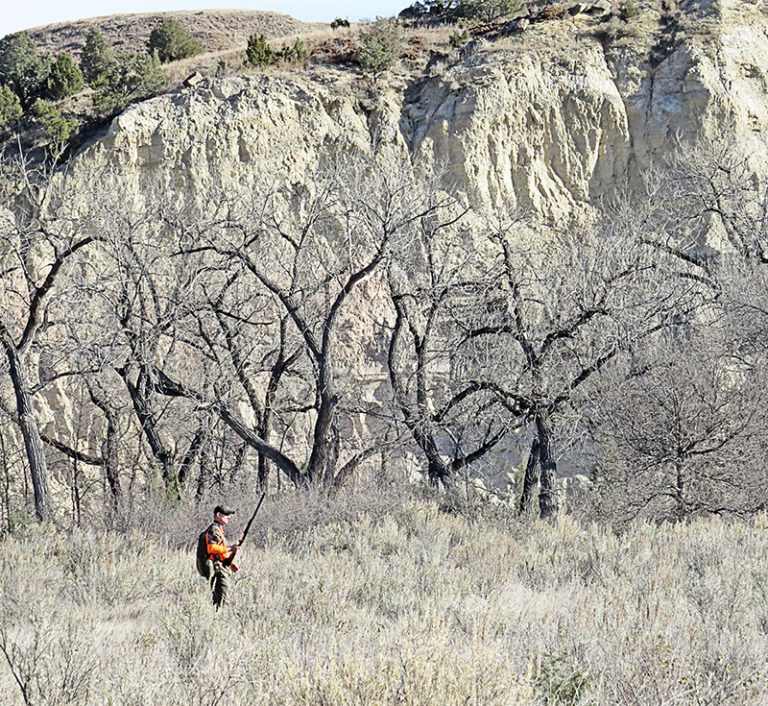
Hunting in the Shadow of Roosevelt
When I hunt in North Dakota, my thoughts often drift to Teddy Roosevelt’s days at Elkhorn Ranch — He named his Dakota home for a pair of locked elk skulls he found at the site. Today, centrally located within the million acres of the Little Missouri National Grasslands, Elkhorn is a great place to visit…
-
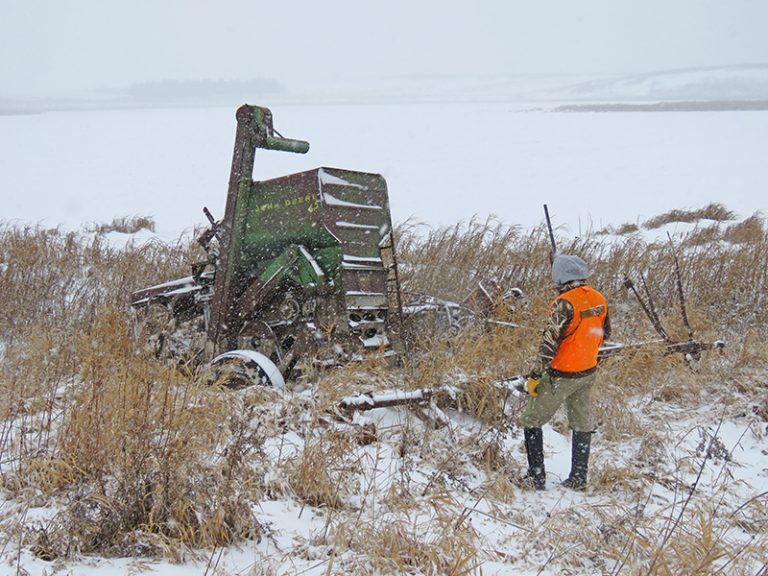
Depths of Cold
There seems no bottom to the depths of cold. It’s one of the few solace for hunting in frigid condition: could be colder, windier, at least it’s not…more miserable. I’m assured by medical science that freezing does have a lower limit in terms of the human body. Paradoxical undressing: the point at which humans experiencing…
-
Making Kansas Memories
Opening day in Kansas occupies a sacred place for me since this is the territory where my upland obsession really took hold years ago. The bulk of the state has a dismal bird forecast like much of the rest of the Midwest this year. There are some bright spots which have been deemed the north…
-
The Top 3 Wild Pheasant Hunting Tips
There are tons of variables involved when pheasant hunting: weather, dogs, number of hunters, blockers, terrain, time of day….. the list is almost endless. But regardless of these elements, there are 3 things you can always use that will improve your success against the wily wild rooster. The bird hunters’ opening day is also most…
-
Inroads
We’ve been coming to this area of the grain belt for over 20 years. It took the locals at least seven of those to warm beyond a passing nod or the requisite finger waive to oncoming trucks. We now know many by name though most likely still recognize us only as familiar faces. Every year…
-
Bird Hunting Amid Spun Tales
Every year in Kansas we hear funny stories about birds and hunting. Maybe it was the full moon, the start of the whitetail rut or the dismal bird forecasts that contributed to tales of the extra nutty variety this season. We hunt from a small town that resides in a county with a population just…