Massachusetts BirD Hunting
Seasons Span October 18 – December 31, 2025

State Drought Monitor – Upland hunting conditions are often highly dependent upon moisture for both habitat production and bird survival.
Season Dates
- Ring-Necked Pheasant:
- Youth Days: September 6, 13, 20, October 4, and 11, 2025 (statewide).
- General Season: October 18 – December 31, 2025 (statewide).
- Ruffed Grouse:
- October 18 – November 29, 2025 (Zones 1-14).
- Bobwhite Quail:
- October 18 – December 31, 2025 (Zones 11-14 only).
Note: No hunting is permitted on Sundays in Massachusetts.
Required Licenses and Costs
To hunt upland birds in Massachusetts, hunters need the following licenses and permits, which can be purchased through the MassFishHunt online portal or authorized vendors. Costs are for the 2025 season, and a hunter education course is required for those born after January 1, 1972, unless they held a license before 2007.
- Resident Licenses:
- Hunting License: $36.50 (includes 2 antlerless deer tags).
- Minor Hunting (Age 15–17): $6.50.
- Senior Hunting (Age 65–69): $18.25.
- Pheasant/Quail Permit: $16.
- Wildlands Stamp: $5 (required for the first license purchased by residents).
- Non-Resident Licenses:
- Small Game License: $74.50 (includes all game except deer, bear, turkey).
- Big Game License: $108.50 (includes all game).
- Pheasant/Quail Permit: $24.
- Wildlands Stamp: $5 (required for every license purchased by non-residents).
- Commercial Shooting Preserve (1-day):
- Resident: $9.00.
- Non-Resident: $17.00.
- Youth Hunters:
- Ages 12–14: Must hunt with a licensed adult (18+); no license required but must have a free youth permit for certain species (e.g., deer, turkey).
- Ages 15–17: Require a Minor Hunting License and Pheasant/Quail Permit.
- Paraplegic Hunters: Free hunting license (includes 2 antlerless deer tags).
Additional Notes:
- A Federal Duck Stamp ($25) is not required for upland birds but is needed for waterfowl hunting (ages 16+).
- Hunters must register with the Harvest Information Program (HIP) for migratory birds like crow, which is automatic with a waterfowl stamp purchase.
Daily Bag Limits and Possession Limits
- Ring-Necked Pheasant:
- Daily Bag Limit: 2 per day.
- Possession Limit: 4.
- Annual Limit: No season limit.
- Ruffed Grouse:
- Daily Bag Limit: 3 per day.
- Possession Limit: 6.
- Annual Limit: 15 per season.
- Bobwhite Quail:
- Daily Bag Limit: 4 per day.
- Possession Limit: 8.
- Annual Limit: 20 per season (Zones 11-14 only).
Note: Bag and possession limits for crow are not explicitly detailed in the provided sources, but no limits are typically imposed for this species. Verify with MassWildlife for exact regulations.
Additional Regulations
- Blaze Orange: An orange hat is required when hunting pheasant or quail in Wildlife Management Areas (WMAs) stocked with these species during their season. During the shotgun deer season (December 1–13, 2025), waterfowl hunters (including crow hunters) must wear a blaze orange hat and vest while in transit to a blind or boat, removable once stationed.
- Hunting Implements: Shotguns (up to 10 gauge, plugged to hold no more than 3 shells) and archery equipment (minimum 40-pound draw weight, steel broadheads at least 7/8 inches wide) are permitted. Crossbows require a special permit for disabled hunters. Non-toxic shot is not required for upland birds but is mandatory for waterfowl.
- Hunting Methods: Dogs are allowed for upland bird hunting, except during shotgun deer season (December 1–13, 2025), when they are restricted to coastal waters and salt marshes for waterfowl, snipe, rail, and falconry. Falconry is permitted for small game (including pheasant, quail, grouse) through March 14, 2026.
- Wanton Waste: Hunters must make a reasonable effort to retrieve and utilize all killed or crippled birds.
- No Baiting: Hunting over baited areas is prohibited, and an area is considered baited for 10 days after bait removal.
- Tagging and Transport: Migratory birds like crow do not require reporting, but if not in the hunter’s custody, they must be tagged with the hunter’s signature, address, and details of birds killed. The head and one fully-feathered wing must remain attached during transport.
Key Notes
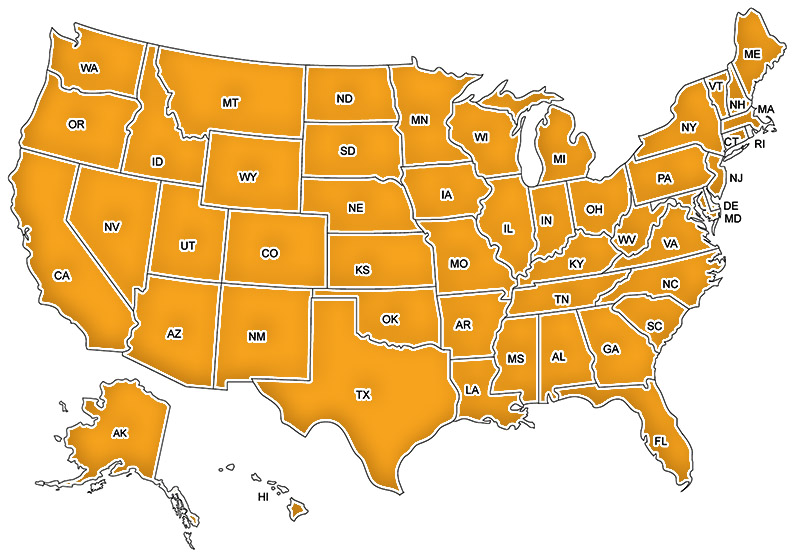
- Zones: Massachusetts is divided into 14 Wildlife Management Zones (WMZs). Quail hunting is restricted to Zones 11-14, while pheasant, grouse, and crow are statewide (Zones 1-14). Check the MassWildlife Zone Map for details.
- Verification: Season dates and bag limits for migratory birds (e.g., crow) are set annually by the Massachusetts Fisheries and Wildlife Board and posted around mid-May. Always check www.mass.gov/masswildlife for updates.
- Youth Opportunities: Youth hunters (ages 12–17) have priority access to pheasant hunting on designated youth days, requiring completion of a youth program for some species.
- Public Lands: Hunting is permitted in Wildlife Management Areas (WMAs), state forests, and some federal/municipal lands. Always obtain landowner permission for private lands and respect boundaries.
This summary provides a comprehensive overview of the 2025-26 Massachusetts upland bird hunting season. For the most up-to-date information, consult the official Massachusetts Guide to Hunting, Freshwater Fishing, and Trapping at www.mass.gov/masswildlife or contact MassWildlife directly.
-
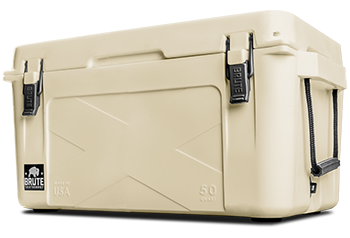
The Brute Cooler
The Brute Cooler is appropriately named — hard core, roto-molded, large handles, rubber latches — it’s got it all. Made in America by Brute, a family run company with excellent customer service. The 50 qt. ($319) will keep your birds chilled for at least five days, but go with the 75 qt. ($369) if you want…
-
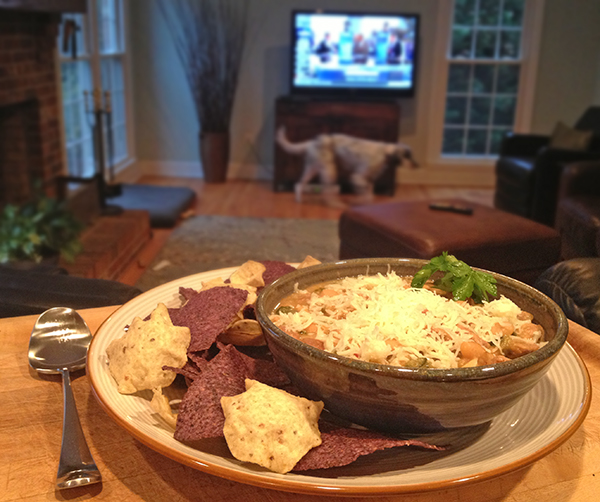
Super Bowl of Pheasant Chili
When you serve some rooster chili everyone is a guaranteed winner. Great way to enjoy a game on a cold day.
-
Ruger Announces Redesigned Red Label Over-and-Under Shotgun
Sturm, Ruger & Company, Inc. (NYSE: RGR) announces the launch of the newly redesigned Red Label over-and-under shotgun. Known for years as a top choice of American hunters and clay shooters for its world-renowned rugged construction and handsome American styling – the Red Label returns. The shotgun now features refined inner workings, a new center…
-
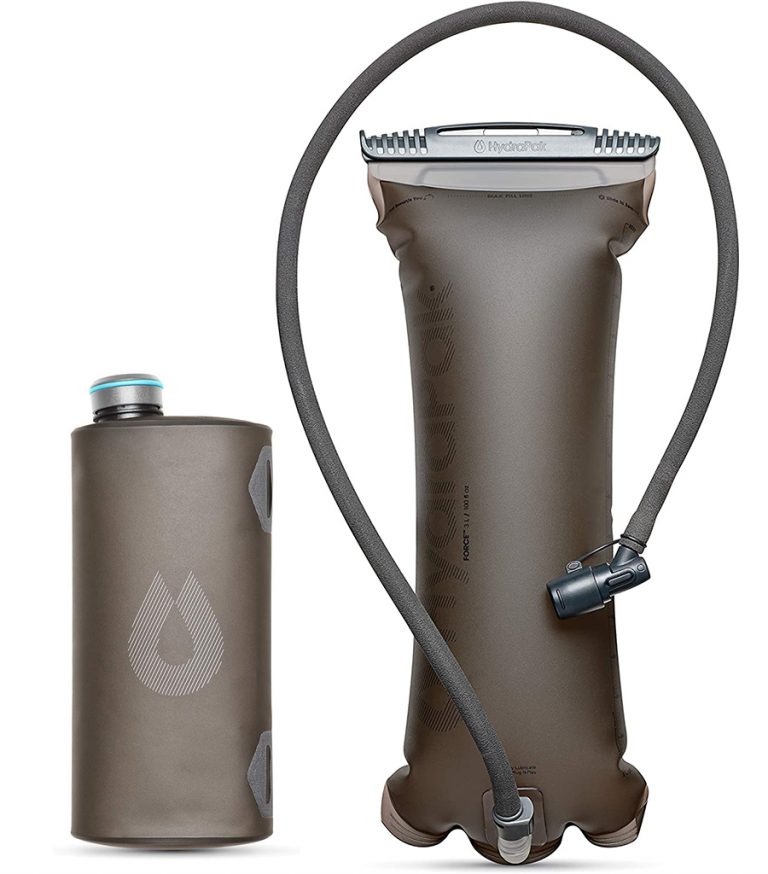
HydraPak 3L Bladder / HydraPak Seeker Water Bottle
Running bird dogs in country where there is minimal surface water, the only way to extend the hunt is to carry enough water. HydraPak’s 3L Bladder upfitted to my vest lets us keep hunting when the land is parched. The insulated drink tube helps keep the water flowing on chilly mornings. I remove the high-flow…
-
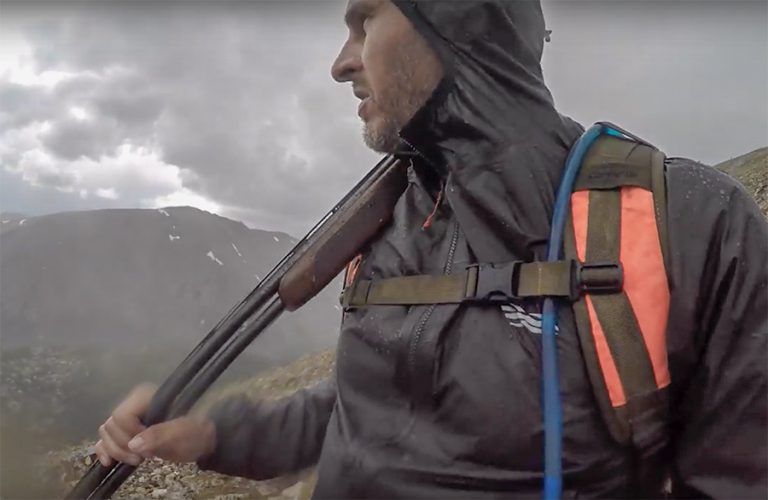
Sitka Gear Vapor SD Jacket
Heading into the backcountry, weight and packability are always top concerns for gear. Sitka’s Vapor SD Jacket compresses small and weighs so little it’s easy to forget tucked in the corner of the bird vest. But weather in the mountains can be unpredictable and unforgiving and when the skies open up and the sleet starts…
-
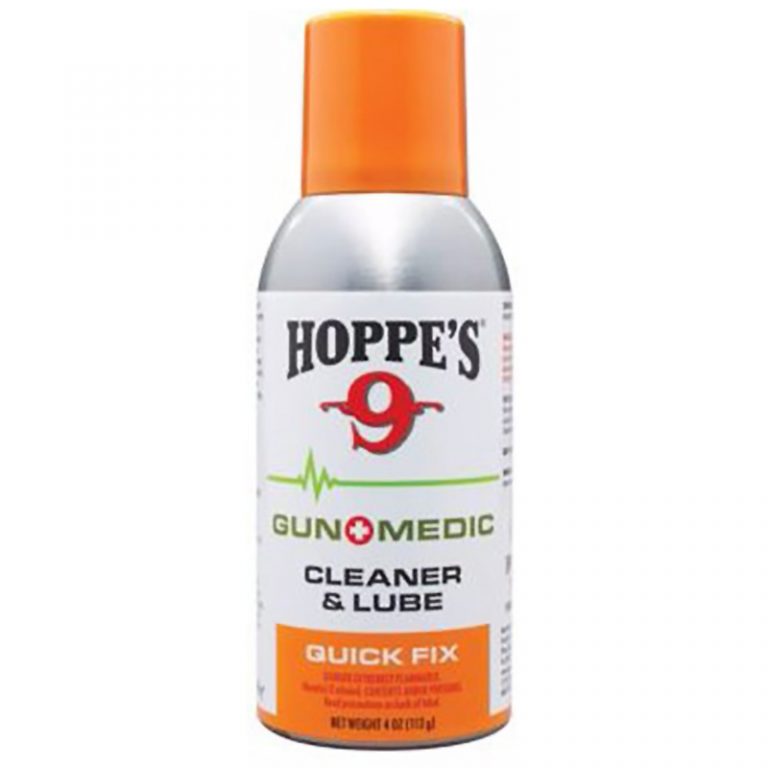
Hoppe’s Gun Medic
My shotgun gets beat up. I originally bought Hoppe’s Gun Medic because the name seemed appropriate for the state of my abused primary carry gun. And the iconic Hoppe’s name is synonymous with quality gun cleaning products. Gun Medic doesn’t disappoint. It’s not gonna fix everything that is wrong with my shotgun, but it sprays…