Indiana Bird Hunting
Seasons Span October 15 – January 10, 2026

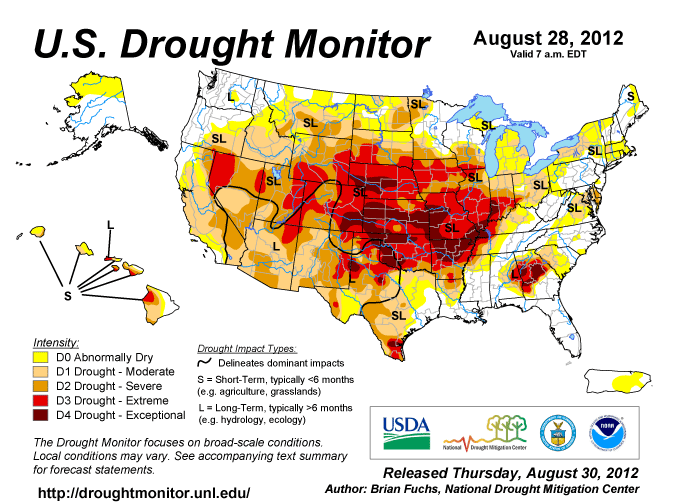
State Drought Monitor – Upland hunting conditions are often highly dependent upon moisture for both habitat production and bird survival.
Seasons Dates
- Ring-necked Pheasant:
- Statewide Season: October 17, 2025 – January 10, 2026
- Put-and-Take Hunts (on designated DNR properties like Atterbury, Glendale, J.E. Roush Lake, Pigeon River, Tri-County, Willow Slough, and Winamac FWAs): Start November 23, 2024 (Note: This date is from 2024 data; confirm 2025 start date with DNR as it may shift).
- Northern Bobwhite Quail:
- North Zone: November 1, 2025 – December 15, 2025
- South Zone: November 1, 2025 – January 10, 2026
- Ruffed Grouse: Suspended 2015
Note: Always verify exact dates on the official Indiana DNR website (in.gov/dnr) as they may be subject to change.
Required Licenses and Costs
To hunt upland birds in Indiana, hunters need the following:
- Hunting License:
- Resident Annual Hunting License: $25
- Non-resident Annual Hunting License: $150
- Non-resident 5-Day Hunting License: $75
- Non-resident Youth Annual Hunting License (17 or younger): $20
- Resident Youth Consolidated Hunting License: $12
- Apprentice Licenses: Available for those without hunter education; costs align with standard licenses but require supervision by a licensed hunter.
- Indiana Gamebird Habitat Stamp: Required for quail hunting.
- Resident: $11
- Non-resident: $11
- Youth (17 or younger): Exempt
- Put-and-Take Pheasant Hunt Fee: $30 per person per spot for designated DNR properties.
- Hunter Education Requirement: Hunters born after December 31, 1986, must complete a DNR-approved hunter education course to purchase a standard hunting license (exemptions for apprentice licenses).
Notes:
- Licenses are valid from April 1, 2025, to March 31, 2026.
- Non-resident youth (17 or younger) may hunt with a resident license if a parent, grandparent, or legal guardian is an Indiana resident.
- Ohio and Virginia residents owning farmland in Indiana are exempt from needing a license for any species when hunting on their own land. Iowa residents are exempt for small game and furbearers but need licenses for deer and turkey.
- Costs are based on 2022 data and may have changed; check in.gov/dnr for current fees.
Daily Bag Limits and Possession Limits
- Ring-necked Pheasant:
- Daily Bag Limit: 2 birds (either sex for put-and-take hunts; roosters only at Pigeon River, Willow Slough, and Winamac FWAs; hens are illegal to harvest in other areas).
- Possession Limit: 4 birds (after the second day of the season, except for migratory birds, deer, and turkey, where possession limits may differ).
- Northern Bobwhite Quail:
- Daily Bag Limit:
- North Zone Fish & Wildlife Areas, Mississinewa Lake, and Salamonie Lake: 2 quail.
- South Zone Fish & Wildlife Areas and Patoka Lake: 4 quail.
- Possession Limit: Twice the daily bag limit (4 in North Zone, 8 in South Zone) after the second day, except when processed and stored at the hunter’s primary residence.
- Daily Bag Limit:
Additional Regulations
- Nontoxic Shot: Required for pheasant and quail hunting on some DNR properties; confirm with specific properties.
- Hunter Orange: Required for quail hunting and recommended for pheasant hunting to meet safety requirements.
- Equipment: No specific restrictions for upland bird hunting; 12- or 20-gauge shotguns with 4- to 9-size shot are recommended.
- Private Land: Permission is required to hunt on private property, which comprises much of Indiana’s land. Purple paint on trees or posts indicates no trespassing.
- Harvest Reporting: Not required for upland birds, unlike deer and turkey, but harvested animals left unattended must be tagged with the hunter’s name, address, species count, date taken, and signature.
This summary covers the key details for the 2025-26 Indiana upland bird hunting season. Always consult the official Indiana DNR regulations for complete and current information to ensure compliance.
-
Depths of Cold
There seems no bottom to the depths of cold. It’s one of the few solace for hunting in frigid condition: could be colder, windier, at least it’s not…more miserable. I’m assured by medical science that freezing does have a lower limit in terms of the human body. Paradoxical undressing: the point at which humans experiencing…
-
Bird Hunting Amid Spun Tales
Every year in Kansas we hear funny stories about birds and hunting. Maybe it was the full moon, the start of the whitetail rut or the dismal bird forecasts that contributed to tales of the extra nutty variety this season. We hunt from a small town that resides in a county with a population just…
-
Hunting in the Shadow of Roosevelt
When I hunt in North Dakota, my thoughts often drift to Teddy Roosevelt’s days at Elkhorn Ranch — He named his Dakota home for a pair of locked elk skulls he found at the site. Today, centrally located within the million acres of the Little Missouri National Grasslands, Elkhorn is a great place to visit…
-
The Top 3 Wild Pheasant Hunting Tips
There are tons of variables involved when pheasant hunting: weather, dogs, number of hunters, blockers, terrain, time of day….. the list is almost endless. But regardless of these elements, there are 3 things you can always use that will improve your success against the wily wild rooster. The bird hunters’ opening day is also most…
-
Pheasant Defying Drought….. For Now
There has been a lot of news about the terribly dry conditions across the bulk of the country this year. This news sparked many early negative predictions for the upland populations. If you read much about the lifecycle of upland birds though, most don’t require much water when they are young. So unlike harsh winters…
-
Tough Old Rooster Cakes
How do you know when you’ve harvested a three-year-old rooster? When you have to chew it until the next season to swallow it. Tough old birds are challenging and fun to chase. But part of that challenge is making them fit for the table. On principle, most hunters will choke down just about anything they shoot —…