Conservation
-
Koch Accepts Role with Muskingum Watershed Conservancy District
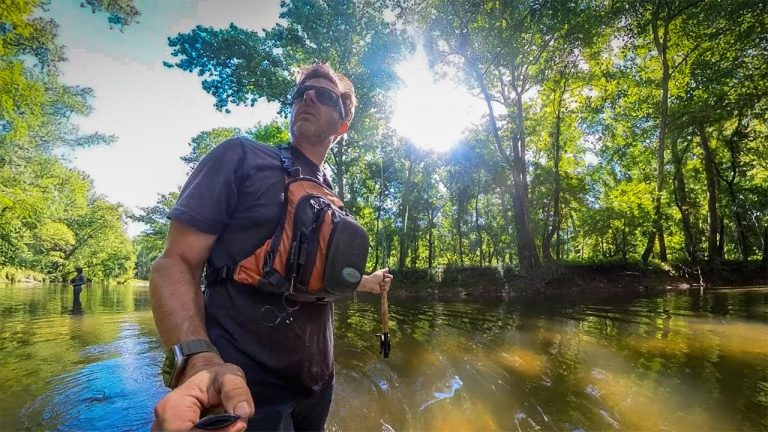
Happy to share that I’ve accepted a new role on the Development Advisory Committee (DAC) of the Muskingum Watershed Conservancy District. As many of you know, I grew up in the heart of the Muskingum Watershed and it feels great to be returning to my outdoor roots with an opportunity to shape public access and…
-
The Return of Elk, Lessons for Broader Conservation
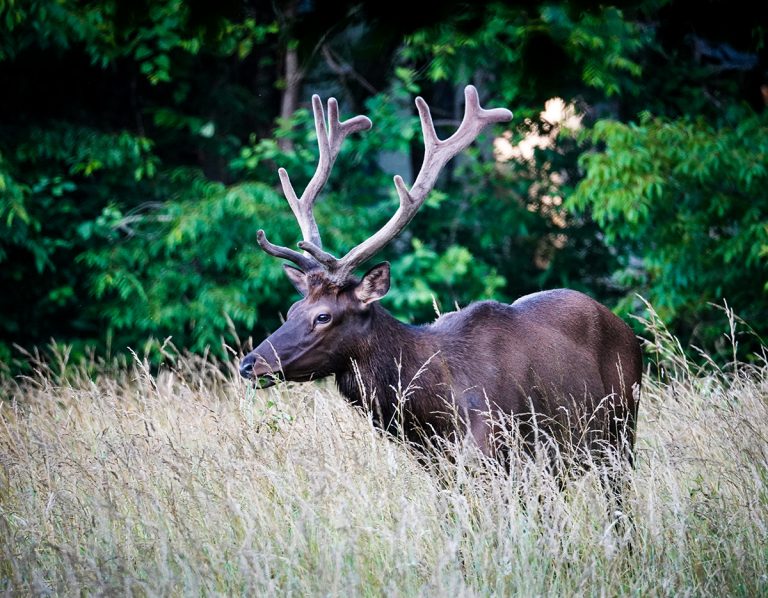
A recent visit to Great Smoky Mountains National Park (GSMNP) revealed a truth in conservation for me. There were crowds of people clamoring for views of grazing wild elk. Though I’ve seen similar scenes in other western locations — Yellowstone, Rocky Mountain National Park — these elk were reintroduced to this region in 2001 by…
-
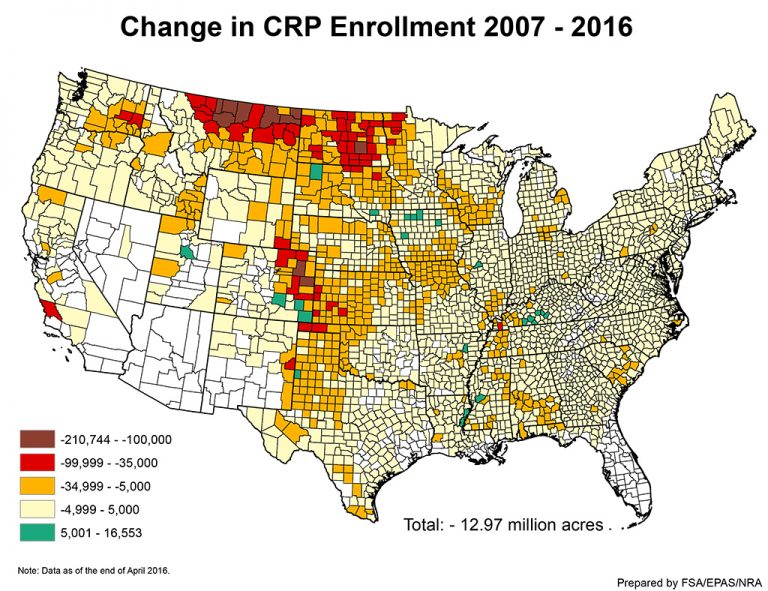
Hunters’ Guide to CRP
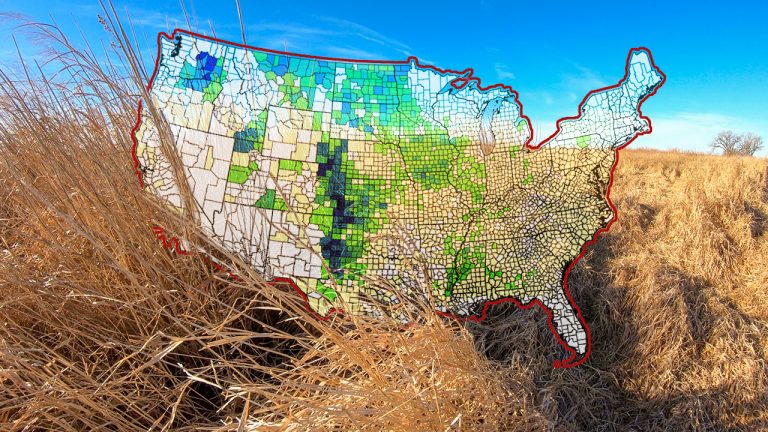
When I first started traveling west to bird hunt our group would have eyes peeled for CRP. What we were really looking for was acres of native prairie grasses. I’m not sure how we came to call any unplanted field CRP. It’s not unusual for hunters to misunderstand the Conservation Reserve Program (CRP). This may…
-
The Hunters’ Predicament
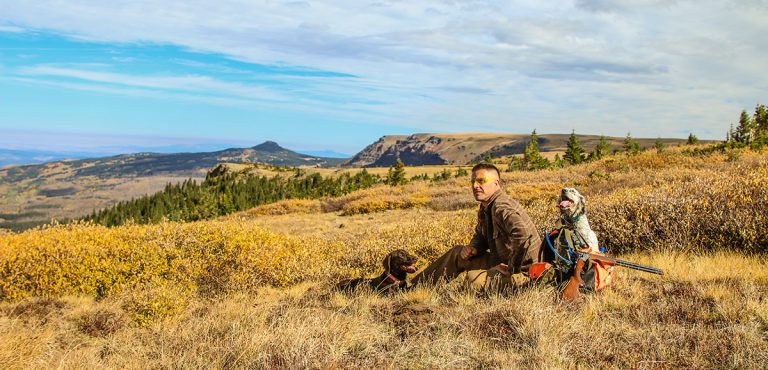
A couple of years ago I found myself hunting late season public lands in West Virginia. Having never hunted here before I took to talking to every resident I encountered, inquiring of bird numbers, conditions and terrain. This area is a fairly well-known stronghold for hunters and anglers, so it was shocking when I brought…
-
You Can’t Spell Hypocrite without REI
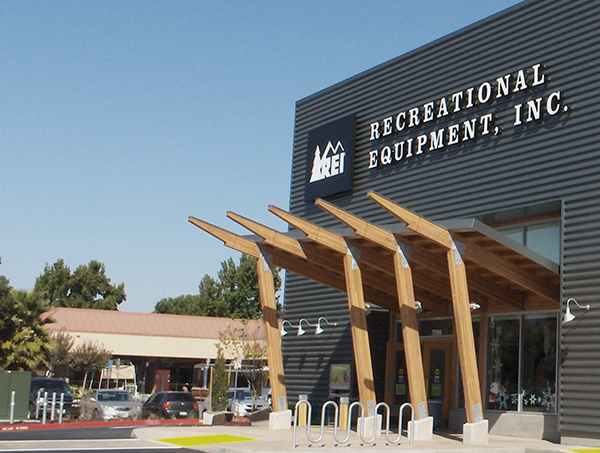
The Federal Aid and Wildlife Restoration Act, known throughout most of the hunting and shooting community as the Pittman-Robertson Act (P-R), was created in 1937 by congress to reverse the damages of market hunting and ensure the longevity of wild places and wildlife for future generations. Details and amendments of the act are extensive but…
-
CRP is Not the Savior
The United States Department of Agriculture is celebrating 30 years of the Conservation Reserve Program known to most simply as CRP. The basics of the program, though there are many wrinkles and enhancements, landowners enroll acreage in a 10-year to 15-year CRP lease requiring that land remain out of production, not farmed or developed, during…
-
Why America’s Hidden Birds Count
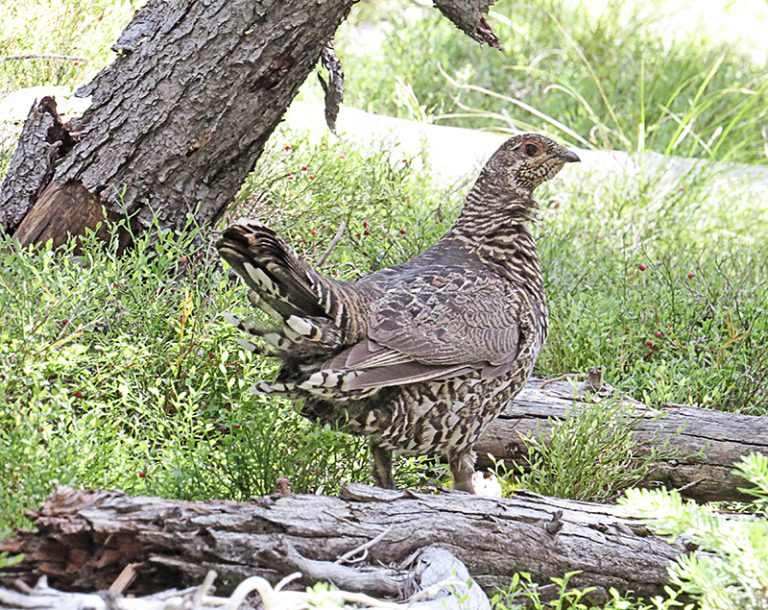
The release of the latest State of the Birds Report confirms Americans are faced with the loss of some of our most iconic game birds. The report, first produced in 2009, called attention to the dire need for conservation action, but seven years later, the number of resident game birds continues to decline and has…
-
Upland Stamp Gains Momentum
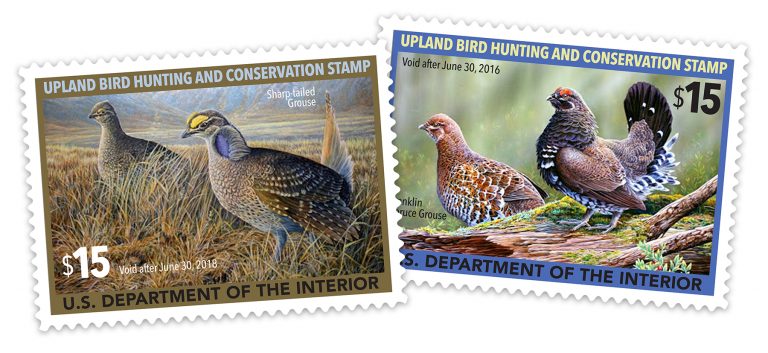
Earlier this year, after months of discussion on the state of upland birds and conservation in this country we released an article titled “It’s Time for the Federal Upland Stamp.” The week we published coincided with Association of Fish and Wildlife Agencies (AFWA) biannual meeting in Omaha sponsored by the Wildlife Management Institute (WMI) — often referred…
-
Conservation’s Invisible Birds
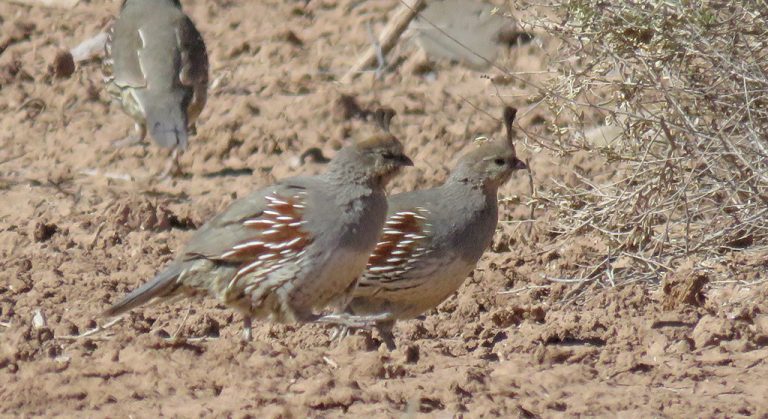
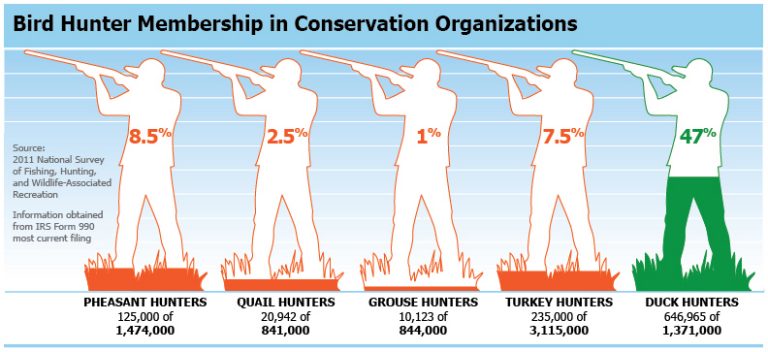
As hunters, we often look to conservation organizations to protect and enhance hunting opportunities or address the critical habitat issues facing upland birds. Yet, many of us are not even members of the organizations we look to for support. For example, the nation’s largest quail organization recently announced its membership topped 15,000. This represents 1.8%…
-
Connecting with Bobwhite
The number of Ohio residents who recognize the distinctive call of Bobwhite is dwindling. The old-timers, a few farmers, the occasional birder can still whistle the tune that was once a fixture of the buckeye landscape prior to the blizzard of ’78. Just a handful of counties in the southwest corner of the state are…
-
The Rising Costs of Conservation
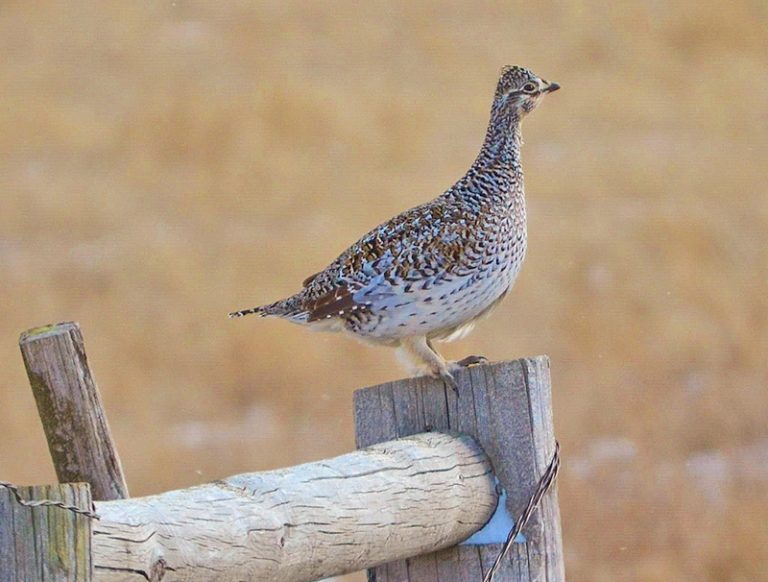
Wildlife held in the public trust: It’s a cornerstone of the North American Conservation Model. The phrase sounds good, but what does it actually mean in regards to upland birds and upland habitat? Simply put, it means that every wild Sharptail in Montana belongs to the citizens of this country. The Blue Racers of Oklahoma…
-
Making the Upland Stamp Work
Most of us who spend our time outdoors agree that something is going wrong for game bird species. It’s difficult to imagine the landscapes we know as no longer offering an opportunity to seek or enjoy upland birds. The steep decline experienced by many upland species isn’t the first time in history we’ve faced the…
-
It’s Time for The Federal Upland Stamp
Authors: Christine Cunningham and Brian Koch Prototype Stamp Artist: Shari Erickson American landscapes are forever changing as we face the loss of some of our most iconic game bird species. Grassland birds are among the fastest and most consistently declining bird populations in North America and grassland and prairie habitats are the fastest disappearing habitats in the US. Last…
-
Backyard Bobwhite: Part 4
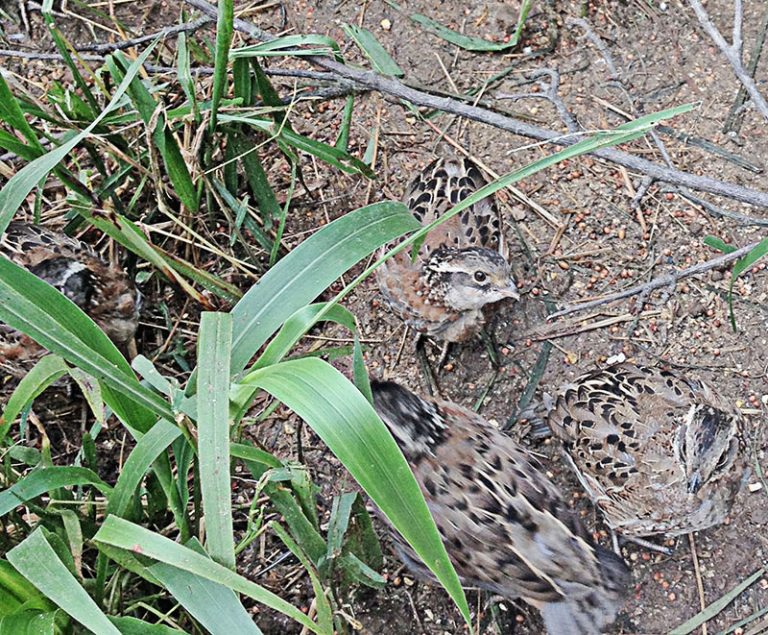
Release the Birds It’s a bitter sweet day. The quail project we conceived in the spring (Part 1) is winding down as the leaves begin descending and first frosts are painting the pasture. We’ve gotten attached to these birds, invested in their condition, entertained by their antics. We’re just a few zip ties away from…
-
Backyard Bobwhite: Part 3
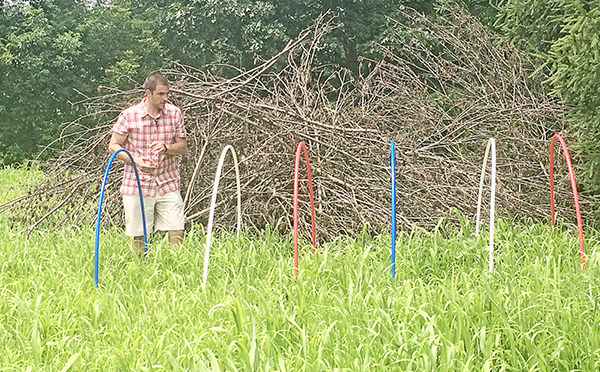
Educating birds, or Educating Us It’s been just over a month since we added 35 young Bobwhite to our small flight pen. The birds are now approaching 10 weeks of age and in a couple more weeks we should start to see their adult colors and get a better idea of the gender mix of…
-
Backyard Bobwhite: Part 2
Can a pen-raised quail make it in the wild? If you’ve had the privilege to hunt Bobwhite over a few seasons in areas where they still reside, you likely know that year over year you will find birds in the exact same locations. Read old stories from some of the great quail hunting authors and…
-
Backyard Bobwhite: Part 1
Is the key to restoring quail right out your back door? I grew up in small farming community in rural Northeast Ohio. It’s not considered an upland bird hot spot. But I still remember seeing wild quail when I was a kid. And I’ve verified this with others from the area. Bobwhite used to inhabit…