Wisconsin Bird Hunting
Seasons Span September 12 – January 3, 2027

State Drought Monitor – Upland hunting conditions are often highly dependent upon moisture for both habitat production and bird survival.
Wisconsin Upland Game Bird Hunting Overview
State DNR & Licensing Information
Upland game bird hunting in Wisconsin is administered by the Wisconsin Department of Natural Resources (WDNR).
License Requirements & Fees
- Resident Small Game License: $18
- Nonresident Small Game License: $90
- Nonresident 5-Day Small Game License: $60
- Pheasant Stamp: $10
- HIP Certification: Required for migratory game birds such as woodcock, snipe and dove. (Wisconsin DNR)
Season Dates & Bag Limits — 2026–2027
Ruffed Grouse
- Zone A: September 12, 2026 – January 3, 2027
- Daily Limit: 5
- Possession Limit: 15
- Zone B: October 17 – December 8, 2026
- Daily Limit: 2
- Possession Limit: 6
Ring-Necked Pheasant
- Season: October 17, 2026 – January 3, 2027
- Daily Limit: 1 rooster opening weekend; 2 thereafter
- Possession Limit: 3 opening weekend; 6 thereafter
Gray (Hungarian) Partridge
- Season: October 17, 2026 – January 3, 2027
- Daily Limit: 3
- Possession Limit: 9
- Closed: Clark, Marathon and Taylor counties
Bobwhite Quail
- Season: October 17 – December 9, 2026
- Daily Limit: 5
- Possession Limit: 15
Sharp-Tailed Grouse
- No season in 2026.
American Woodcock
- Season: September 19 – November 2, 2026
- Daily Limit: 3
- Possession Limit: 9
Mourning Dove
- Season: September 1 – November 29, 2026
- Daily Limit: 15
- Possession Limit: 45
Wisconsin’s 2026 regulations are now finalized and published by WDNR. (Wisconsin DNR)
Weather Assessment & Bird Hunting Outlook
Survey Methodology
Wisconsin is one of the better states for this analysis because WDNR has long-running biological surveys. Ruffed grouse have been monitored through roadside drumming surveys since 1964 and brood surveys since 1970. Pheasants are monitored through spring roadside surveys, while summer observations provide additional brood-production information. (Wisconsin DNR)
For 2026, I weighted those surveys against NOAA/NCEI climate data and U.S. Drought Monitor information, including winter severity, spring moisture and summer conditions.
Weather Impact & Habitat Conditions
- Winter 2025–26 — MIXED: Wisconsin experienced considerable temperature and precipitation variability. The Midwest winter ranged from substantially colder than normal to near normal, with precipitation varying from 50–200% of normal. (Drought.gov)
- Spring 2026 — FAVORABLE: Spring moisture conditions were generally adequate, supporting nesting and brood-rearing vegetation.
- Summer 2026 — FAVORABLE: Wisconsin’s January–June precipitation ranked 19th wettest since 1895, 3.44 inches above normal. June was also wetter than normal. (Drought.gov)
- Current conditions: Drought has developed in portions of the state despite the wet first half of the year, so localized conditions vary considerably. (Drought.gov)
Overall, Wisconsin’s 2026 weather profile is favorable for upland birds, particularly compared with drought-affected western states.
2026–27 Population Outlook
Ruffed Grouse — GOOD
Wisconsin’s 2026 survey indicates the population remains on its long-term upward portion of the cycle. WDNR reports the population trend is tracking the 10-year cycle, while the 2025 survey was still substantially above the five-year average. (Wisconsin DNR)
The long-term limitation is forest maturation, which continues to reduce young-forest habitat. (Wisconsin DNR)
Best prospects: Northern Wisconsin, particularly young aspen and recent timber harvests.
Forecast: GOOD.
Ring-Necked Pheasant — GOOD
The 2026 spring survey recorded 0.73 pheasants per stop, down slightly from 0.81 in 2025 but still well above the five-year average of 0.56. This is the third consecutive year above average. (Wisconsin DNR)
Northwestern Wisconsin remains the strongest pheasant region.
Forecast: GOOD.
Gray Partridge — FAIR–GOOD
Agricultural habitat and adequate summer moisture provide a favorable setup, although populations are considerably less widespread than pheasants.
Forecast: FAIR–GOOD.
Bobwhite Quail — POOR
Wisconsin has a small, localized bobwhite population, and the state does not have the broad quail habitat found farther south.
Adequate weather helps, but habitat and range remain the primary limitations.
Forecast: POOR.
American Woodcock — GOOD
WDNR reports Wisconsin’s woodcock population as stable, with the state’s 10-year trend actually increasing despite longer-term declines nationally and regionally. Wisconsin remains one of the country’s top woodcock-harvest states. (Wisconsin DNR)
The wet 2026 growing season is favorable for soil moisture and invertebrate availability.
Forecast: GOOD.
Wilson’s Snipe — GOOD–FAIR
Above-normal precipitation should benefit wet meadows, marsh edges and other feeding habitat, although local water conditions will determine success.
Forecast: GOOD–FAIR.
Mourning Dove — GOOD–FAIR
The generally favorable growing season should provide abundant agricultural and weed-seed food sources.
Forecast: GOOD–FAIR.
Overall Wisconsin Outlook: GOOD
Wisconsin is shaping up as one of the stronger upland-bird states in the eastern half of the country for 2026.
The biological data are unusually encouraging. Pheasant numbers remain above their five-year average for the third consecutive year, while ruffed grouse remain on the favorable portion of their population cycle. (Wisconsin DNR)
The weather picture also supports production: Wisconsin’s January–June precipitation was 3.44 inches above normal and ranked 19th wettest since 1895. (Drought.gov)
Best 2026 Bets
Ruffed Grouse: Northern Wisconsin, particularly young aspen and recent cuts.
Pheasant: Northwestern agricultural country.
Woodcock: Northern forests with young forest, alder and wet cover. WDNR specifically recommends its FFLIGHT tool for locating likely woodcock habitat. (Wisconsin DNR)
Gray Partridge: Agricultural country, particularly where grass and grain habitat remain intact.
Snipe: Wet meadows and marsh edges.
Forecast Confidence: High
Wisconsin has unusually strong biological monitoring, and the 2026 pheasant and ruffed grouse surveys are already available, eliminating much of the uncertainty we have encountered in several other states. (Wisconsin DNR)
Bottom line: Wisconsin looks like a GOOD upland bird year. Ruffed grouse are riding a favorable population cycle, pheasants remain above their recent average, and woodcock populations are stable with an improving 10-year trend. Weather has generally cooperated as well, with a wet first half of 2026 providing good nesting and brood-rearing conditions.
This summary reflects the latest available data as of August 28, 2025. Always verify with the Wisconsin DNR for any updates or changes to season dates, fees, or regulations before hunting.
-
The Last Bird: Living in the Upland Death Spiral
Most of the upland birds around here vanished during the Storm of the Century that dumped 30 inches of snow atop a base of frozen rain accompanied by -60° wind chill. Though game birds were on a downward trajectory long before that fateful day, the 43 years since have shown there’s little hope for any…
-
Rio’s First Hunt
It’s easy to forget what it’s like to bring a young dog to the field. And it is truly revealing just how dependent one can get on a trusted and trained dog. I could have brought Wyatt the four-year-old lab along on this little adventure. He’s got the game down. He knows all the moves,…
-
Government Shutdown Attempts to Cripple Hunters
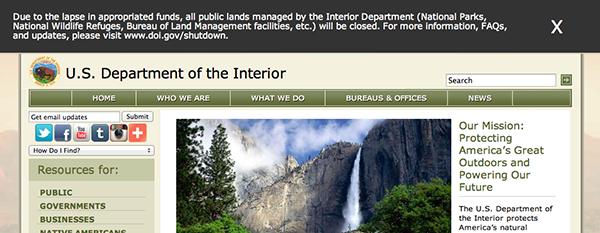
Visit the websites of the Department of the Interior, the US Forest Service or the National Park Service and you will be greeted by a message much like the one below: Due to the lapse of appropriated funds, all public lands managed by the Interior Department (National Parks, National Wildlife Refuges, Bureau of Land Management facilities,…
-
Tenzing BV15 Upland Bird Vest Pack
For the upland hunter looking for a pack that holds more than just birds and shells, the choices are few and far between. I was one of these hunters searching for the perfect pack for a backcountry hunt to chase sharptails in North Dakota. In need of a pack that would hold not only…
-
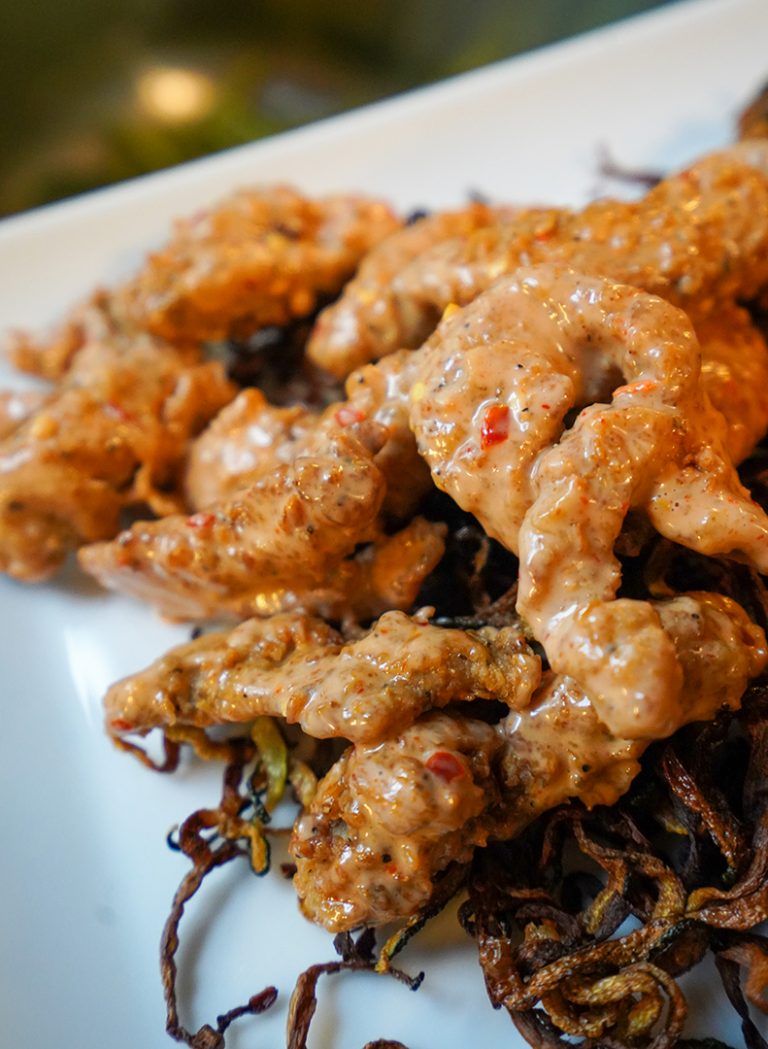
Bang Bang Pheasant
Went out to eat a few weeks ago and ended up sharing a Bang Bang Shrimp appetizer. Jotted a quick note in my phone that this would be a great adaptation for game birds – and honestly, the name is just too fitting. I already knew the basics of Bang Bang sauce, but decided to kick…
-
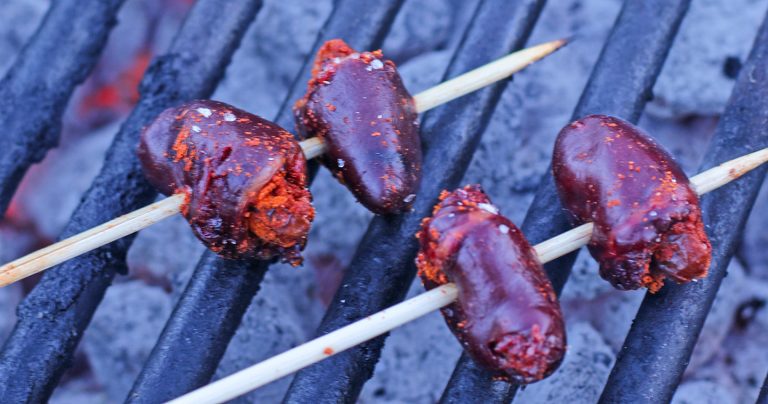
Hot Drunk Dates and Broken Hearts
Decided to take a lot of my favorite things from the camp pantry and do a quick, simple recipe in classic country song style. Here’s to eating beak to feet. Game birds hearts should never go to waste. Great, lean protein for camp appetizers.