Pennsylvania Bird Hunting
Seasons Span October 17 – February 28, 2027

State Drought Monitor – Upland hunting conditions are often highly dependent upon moisture for both habitat production and bird survival.
Pennsylvania Upland Game Bird Hunting Overview
State DNR & Licensing Information
Upland game bird hunting in Pennsylvania is administered by the Pennsylvania Game Commission (PGC).
License Requirements & Fees
- Resident Annual Hunting License: $20.97
- Nonresident Annual Hunting License: $101.97
- Adult Pheasant Permit: $26.97
- Junior Pheasant Permit: Free
- Migratory Game Bird License: Required for woodcock, snipe, doves and other migratory game birds.
- HIP Registration: Required for migratory game birds.
The 2026–27 license year began July 1, 2026. (Pennsylvania.gov)
Season Dates & Bag Limits — 2026–2027
Ruffed Grouse
- Season: October 17 – December 24, 2026
- Daily Limit: 2
- Possession Limit: 6 (Pennsylvania.gov)
Ring-Necked Pheasant
- Junior/Mentored Season: October 10–18, 2026
- Regular Season: October 24 – December 24, 2026 & December 26, 2026 – February 28, 2027
- Daily Limit: 2
- Possession Limit: 6
- Sex: Either sex
- Wild Pheasant Recovery Areas: Closed unless specifically opened by executive order. (Pennsylvania.gov)
Bobwhite Quail
- Season: September 1 – December 24, 2026 & December 26, 2026 – March 31, 2027
- Daily Limit: No limit
- Exception: No open season in the Letterkenny Army Depot Bobwhite Quail Recovery Area. (Pennsylvania.gov)
American Woodcock
- Season: October 17 – December 8, 2026
- Daily Limit: 3
- Possession Limit: 9
- Sunday Hunting: Closed. (Pennsylvania.gov)
Weather Assessment & Bird Hunting Outlook
Survey Methodology
Pennsylvania’s biological picture is built from PGC harvest surveys, hunter effort and long-term species monitoring. The Game Commission’s most recent completed Game Take Survey sampled 20,500 license purchasers and received a 37.5% response rate. Between 2023–24 and 2024–25, harvest per 100 hunter-days increased for grouse, while it declined for pheasant and woodcock. (Pennsylvania.gov)
For the 2026 forecast, I am weighting those biological trends against NOAA/NCEI, National Weather Service and U.S. Drought Monitor data, with particular emphasis on winter survival, spring nesting conditions and June–July brood-rearing weather.
Weather Impact & Habitat Conditions
Winter 2025–26 — FAVORABLE FOR SURVIVAL, WITH SOME STRESS:
Central Pennsylvania’s winter snowfall was generally below or near normal, while the south-central portion was already experiencing drought by April. (National Weather Service)
Temperatures were cold enough to produce meaningful winter stress, including a prolonged cold period, but there is no evidence of a statewide winter mortality event comparable to the severe winters that historically hurt Pennsylvania’s upland birds.
For grouse and other resident birds, I would classify winter survival as neutral to mildly negative, rather than strongly negative.
Spring 2026 — MIXED/NEGATIVE:
The broader Northeast experienced a very dry start to 2026. NOAA reported the contiguous U.S. had its sixth-driest January–May on record, and Pennsylvania was among the states with relatively cool May conditions. (NCEI)
Pennsylvania’s moisture deficit was not catastrophic statewide, but it established a dry baseline entering the nesting season.
Summer 2026 — NEGATIVE:
This is the more important concern.
As of early August, Pennsylvania had recorded its 30th-driest June on record, with only 3.29 inches of precipitation—0.88 inches below normal. January–June ranked 55th driest, with precipitation 0.78 inches below normal. (Drought.gov)
The statewide numbers actually understate the regional differences. Parts of eastern and southern Pennsylvania have experienced substantially greater deficits, while portions of western and northern Pennsylvania have been less affected. Drought conditions currently affect roughly 4 million Pennsylvanians. (Drought.gov)
The Mid-Atlantic drought assessment also found precipitation from June 15–July 14 running as low as 50% of normal in northeastern Pennsylvania, while some western areas received considerably more rain. (Drought.gov)
That matters because June and July are the critical period for chick survival. Dry conditions can reduce insect availability, green forage and protective brood cover, particularly in agricultural and grassland habitats.
2026–27 Population Outlook
- Ruffed Grouse — FAIR–POOR: Pennsylvania still has one of the country’s most important ruffed grouse populations, but the long-term trend remains unfavorable. The state’s own management work identifies habitat succession and changes in forest structure as major concerns.The 2026 season remains relatively conservative at two birds daily, and the weather does not provide a compelling reason to expect a major population rebound. The winter was survivable, but the dry spring/summer is a negative for recruitment.The strongest opportunities should remain in north-central and northwestern Pennsylvania, particularly landscapes containing recent timber regeneration and young forest.Forecast: FAIR–POOR.
- Ring-Necked Pheasant — FAIR, BUT STOCKING-DEPENDENT: Pennsylvania’s pheasant hunting should not be interpreted as a measure of a large wild pheasant population. The PGC’s program relies heavily on artificially propagated birds released for hunting.More than 225,000 pheasants were released during 2025–26, with similar numbers planned for 2026–27. A PGC study found approximately 50% of stocked pheasants were harvested in its earlier study, demonstrating how strongly hunting opportunity depends on the release program. (Pennsylvania.gov)Weather therefore matters mainly to holdover birds and wild reproduction, rather than determining the bulk of the available birds.Forecast: FAIR, with the best opportunities on scheduled stocking properties.
- Bobwhite Quail — POOR: This is unequivocal.Pennsylvania’s wild bobwhite population was officially considered extirpated after surveys in 2013–14. The PGC is attempting to restore the species through habitat work and wild-bird translocation at Letterkenny Army Depot. (Pennsylvania.gov)Consequently, the statewide open season should not be interpreted as evidence of a huntable statewide population.The Letterkenny project is the important exception biologically, but hunting there is specifically closed to protect the restoration effort.Forecast: POOR statewide.
- American Woodcock — FAIR: Woodcock are considerably more interesting.The 2024–25 Pennsylvania harvest rate declined from the preceding year, but woodcock are migratory and Pennsylvania’s fall population is strongly influenced by breeding success farther north and migration weather. (Pennsylvania.gov)The dry Pennsylvania summer is a modest negative for local habitat, but it is not enough by itself to predict a poor woodcock season. Fall rainfall and cold fronts will be much more important in determining when birds arrive and how concentrated they become.Forecast: FAIR, with the potential for short periods of very good hunting following migration fronts.
- Wilson’s Snipe — FAIR: The dry conditions are a larger concern for snipe because they are closely tied to saturated soils, marshes and wet agricultural habitat.Eastern and southern Pennsylvania’s current moisture deficits are therefore a negative, while areas retaining wet meadows, ponds and spring-fed habitat should remain productive.Forecast: FAIR–POOR, highly localized.
- Snowshoe Hare — POOR: Pennsylvania’s snowshoe hare population is highly localized and strongly dependent on dense young forest and conifer regeneration. The extremely short statewide season and one-bird daily/three-bird season limit reflect the limited resource. (Pennsylvania.gov)Weather is less important than habitat structure, and the available evidence does not suggest a statewide improvement sufficient to change the outlook.Forecast: POOR.
Overall Pennsylvania Outlook: FAIR–POOR.
Pennsylvania is a habitat-driven state more than a weather-driven state, but 2026’s weather isn’t helping.
The winter was cold but apparently survivable. The bigger problem is the accumulated moisture deficit entering the nesting season and the continued dryness through June and July. Pennsylvania’s January–June precipitation ranked only 55th driest, but June itself ranked 30th driest, and the regional pattern is considerably worse in portions of the east and south. (Drought.gov)
The result is a state where adult survival may be reasonably good while 2026 recruitment is more questionable.
That distinction is particularly important for ruffed grouse. Hunters may encounter birds left over from previous years even if this year’s production was mediocre.
Best 2026 Bets
Ruffed Grouse: North-central Pennsylvania, especially young forest created by recent timber harvest or natural disturbance.
Pheasant: PGC stocking properties, particularly immediately following scheduled releases.
Bobwhite: Letterkenny restoration area is biologically important, but closed to hunting; there is no meaningful statewide wild-quail opportunity.
Woodcock: Wet alder, young-forest and bottomland cover, with hunting prospects likely to improve sharply following favorable October–November migration weather.
Snipe: Remaining wet meadows, marsh margins and spring-fed agricultural ground.
Snowshoe Hare: Dense young conifer/deciduous regeneration in northern forest country.
Forecast confidence: Moderate. Pennsylvania has a strong long-term harvest dataset, but the most important 2026 recruitment information is not yet available. The weather signal is clearer: the state entered summer somewhat dry and June/July conditions have increased the concern, particularly in eastern Pennsylvania. (Pennsylvania.gov)
Bottom line: Pennsylvania remains a legitimate ruffed-grouse and woodcock destination, but 2026 does not currently look like a broad upland-bird boom year. Grouse habitat quality will determine the best hunting, pheasant opportunity is largely created by stocking, and the dry summer argues for a cautious assessment of wild-bird recruitment.
This summary provides a comprehensive overview of the 2025-26 Pennsylvania upland bird hunting season for pheasant, ruffed grouse, and bobwhite quail. For the most up-to-date information, visit the Pennsylvania Game Commission’s website or eRegulations page.
-
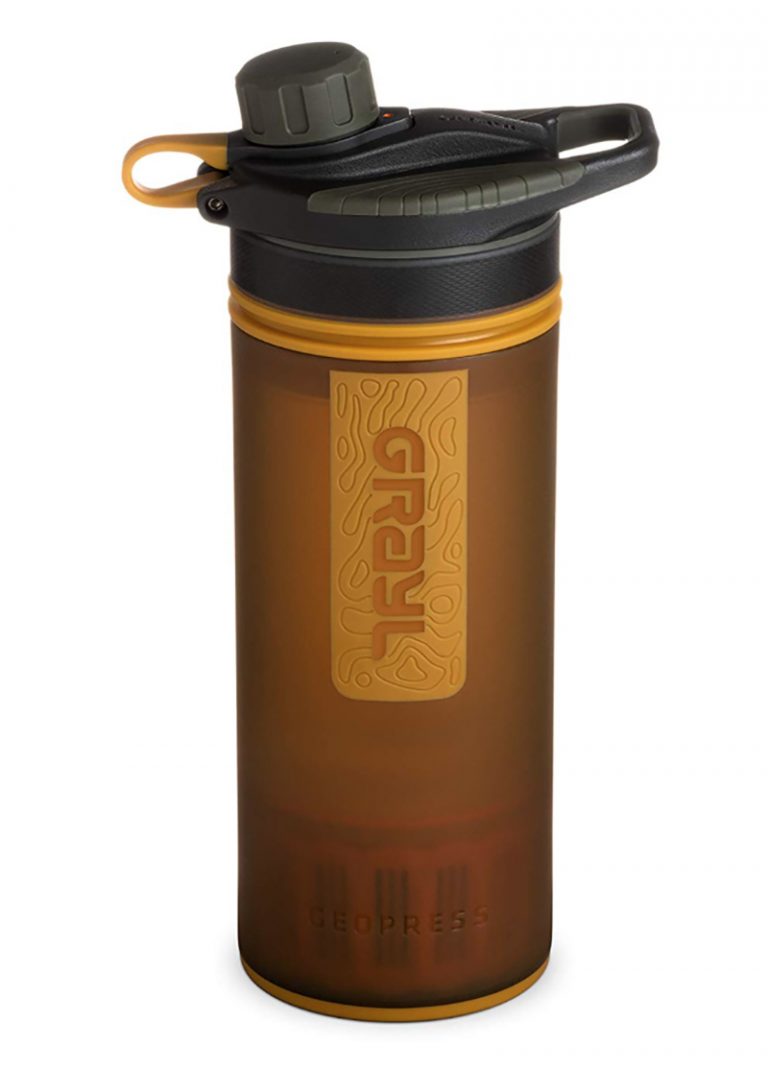
Grayl Geopress 24 oz Water Purifier Bottle
As I squatted next to a stream struggling to fill my filtration bladder I noticed my buddy was already boiling water for his meal. I continued working stubbornly for ten minutes to create enough clean water before I asked if I could borrow his Grayl Geopress water purifier bottle. About thirty seconds later I had…
-
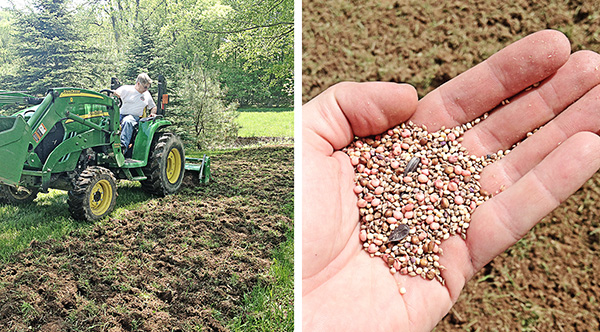
Backyard Bobwhite: Part 1
Is the key to restoring quail right out your back door? I grew up in small farming community in rural Northeast Ohio. It’s not considered an upland bird hot spot. But I still remember seeing wild quail when I was a kid. And I’ve verified this with others from the area. Bobwhite used to inhabit…
-
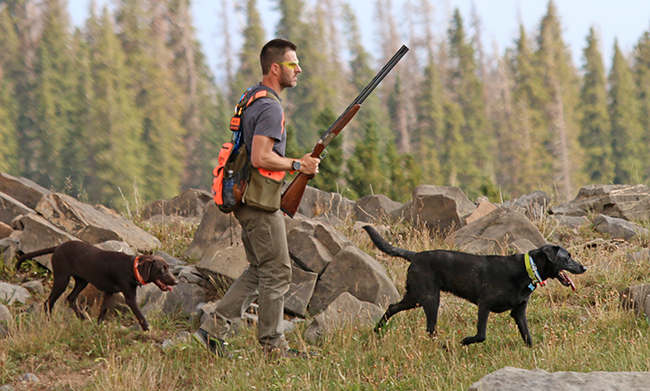
Orvis Pro Series Vest
The upland game vest may be the single most-utilized piece of gear in upland hunting. Regardless the terrain, bird species, weather conditions…. the vest is always part of the hunt. Depending on the time of year, it has to fit over different layers, carry different loads, securely stow essential gear. And for me it’s gotta…
-
The Hunters’ Predicament
A couple of years ago I found myself hunting late season public lands in West Virginia. Having never hunted here before I took to talking to every resident I encountered, inquiring of bird numbers, conditions and terrain. This area is a fairly well-known stronghold for hunters and anglers, so it was shocking when I brought…
-
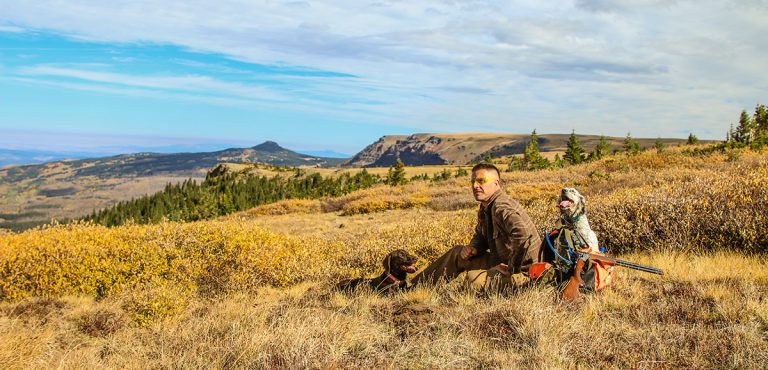
Finding Answers
Spike camp was two miles from base — as the raven flies not really that far in this expansive National Forest. But as flatlanders taking on the thin air of elevated places, two miles is a decent gap to begin separating yourself from those less prepared to depart known trails and the easy-breathing comfort of…
-
NEMO Equipment Kunai 4-Season Tent
“I’m out here packing up my NEMO Kunai three-person four-season tent. I used it extensively this fall. I’ve had it sitting out to dry but, really hands down the best tent I have ever owned. And I’ve owned a lot of them. Now there’s a lot of reasons for that and I’ll go over…