Oklahoma Bird Hunting
Seasons Span November 7 – February 15, 2027

State Drought Monitor – Upland hunting conditions are often highly dependent upon moisture for both habitat production and bird survival.
Oklahoma Upland Game Bird Hunting Overview
State DNR & Licensing Information
Upland game bird hunting in Oklahoma is administered by the Oklahoma Department of Wildlife Conservation (ODWC).
License Requirements & Fees
- Resident Annual Hunting License: $36
- Nonresident Annual Hunting License: $209
- Nonresident 5-Day Hunting License: $75 — not valid for quail
- HIP Permit: $3, or free when completed online; required for migratory birds.
- Nonresident Game Bird Permit: Required when hunting game birds on Oklahoma WMAs.
- A separate Oklahoma license is not required for quail or pheasant beyond the appropriate hunting license.(Oklahoma Wildlife Conservation)
Season Dates & Bag Limits — 2026–2027
Northern Bobwhite Quail
- Season: November 14, 2026 – February 15, 2027
- Daily Limit: 10
- Possession Limit: 20 after the first day
- Area: Statewide
- Public-land seasons can have additional restrictions. (Oklahoma Wildlife Conservation)
Scaled Quail
- Season: November 14, 2026 – February 15, 2027
- Daily Limit: 10 quail combined with bobwhite
- Possession Limit: 20 combined
- Area: Primarily western Oklahoma and the Panhandle. (Oklahoma Wildlife Conservation)
Ring-Necked Pheasant
- Season: December 1, 2026 – January 31, 2027
- Daily Limit: 2 cocks
- Possession Limit: 4
- Open Area: Designated northern and northwestern counties, including Alfalfa, Beaver, Cimarron, Garfield, Grant, Harper, Kay, Major, Noble, Osage, Texas, Woods and Woodward counties, plus portions of five additional counties north of Highway 51. (Oklahoma Wildlife Conservation)
American Woodcock
- Season: November 7 – December 21, 2026
- Daily Limit: 3
- Possession Limit: 9
- HIP: Required. (Oklahoma Wildlife Conservation)
Greater Prairie-Chicken
- Season: Closed
- Present in portions of Oklahoma but protected from hunting because of long-term population declines. (Oklahoma Wildlife Conservation)
Lesser Prairie-Chicken
- Season: Closed statewide.
Weather Assessment & Bird Hunting Outlook
Survey Methodology
Oklahoma has one of the more useful long-term quail datasets in the country. ODWC has conducted 20-mile roadside surveys for more than 35 years, covering 81 routes across the state.
The surveys are conducted in August and October:
- August provides an indication of breeding success.
- October provides the better measure of recruitment entering hunting season.
- Regional and ecoregion trends are compared against long-term averages.
- ODWC also collects hunter-submitted wings and conducts research on western Oklahoma WMAs. (Oklahoma Wildlife Conservation)
The important limitation for this forecast is that the 2026 August/October surveys are not yet available. Therefore, I’m using the 2025 biological baseline and independently measured 2026 weather conditions to estimate the likely direction of this year’s production.
Weather Impact & Habitat Conditions
Winter 2025–26 — NEGATIVE TO MIXED:
Oklahoma entered 2026 in a substantial drought. By March 31, 99% of the state was in drought, following a very dry winter and early spring. The drought had begun in August 2025 and intensified through winter. (Drought.gov)
This is a negative for overwinter habitat and food availability, although Oklahoma’s relatively mild climate means winter mortality is generally less important than in northern pheasant states.
Spring 2026 — STRONGLY NEGATIVE:
March was exceptionally dry, and by April the western half of Oklahoma was still experiencing severe moisture deficits. April precipitation returned closer to normal statewide, but most of the rain favored eastern Oklahoma; western Oklahoma remained extremely dry.
High temperatures compounded the problem. April was Oklahoma’s fifth-warmest April on record, about 5.7°F above normal, while soil moisture across much of western Oklahoma remained below the 10th percentile. (Drought.gov)
For quail, this is important because nesting begins during this period. Dryness and high evaporative demand during nesting can reduce vegetation quality and insect production even when rainfall isn’t dramatically below normal.
May–June 2026 — MAJOR IMPROVEMENT:
The situation improved significantly as Oklahoma moved into its normally wetter period.
June was the 16th-wettest June on record, with 6.65 inches statewide—2.63 inches above normal. January–June precipitation ended at 17.59 inches, only 0.21 inches below normal. (Drought.gov)
This is a critical distinction: Oklahoma had a terrible start to the year, but the growing-season moisture picture recovered dramatically.
However, the recovery was uneven. Western Oklahoma and the Panhandle remained substantially drier than eastern Oklahoma, and drought continued to affect portions of the state into July. (Drought.gov)
2026–27 Population Outlook
- Northern Bobwhite — GOOD: This is the strongest Oklahoma upland opportunity.The 2025 survey was exceptionally encouraging: statewide quail observations increased 68% from 2024, marking the fifth consecutive year of statewide population growth. Five of Oklahoma’s nine ecoregions drove most of that increase, including the Arkansas Valleys and Ridges, Rolling Red Prairie, Rolling Red Plains and Ouachita Mountains. (Oklahoma Wildlife Conservation)The 2025 age structure was also favorable, with 90.8% of October-observed birds classified as full-grown and 9.2% as three-quarter-grown, suggesting strong early hatch production. (Oklahoma Wildlife Conservation)The concern for 2026 is the dry winter and early spring. But June’s exceptionally strong rainfall arrived during the core brood-rearing period. That should have produced improved forb growth and insect availability where rain was received.Forecast: GOOD, with the best prospects likely in central, eastern and south-central regions that received better spring/summer moisture.
- Scaled Quail — FAIR: Scaled quail require a much more cautious assessment because their Oklahoma distribution is concentrated along the western edge and Panhandle.The 2025 survey recorded essentially no scaled quail on the standardized routes—only one pair during August and none during October—but ODWC received multiple reports of scaled-quail broods in the Panhandle. The department specifically warns that the small number of survey routes makes the roadside index a poor abundance measure for this species. (Oklahoma Wildlife Conservation)The 2026 weather pattern is mixed-to-negative for them. Western Oklahoma experienced severe moisture deficits through spring, and drought remains more persistent there than in eastern Oklahoma. June rainfall helped, but the western part of the state did not receive the same broad benefit as eastern Oklahoma.Forecast: FAIR, with localized opportunities in the Panhandle and western Oklahoma where summer storms produced good vegetation.
- Ring-Necked Pheasant — FAIR: Oklahoma’s pheasant resource is geographically restricted to the northern/northwestern portion of the state.The principal concern is the 2026 moisture pattern. The pheasant range experienced significant drought during winter and spring, although summer rainfall has improved conditions. Agricultural fields, wheat production and residual grass/CRP cover will matter more than statewide precipitation totals.Forecast: FAIR, with the strongest prospects in the northern High Plains and agricultural areas retaining good cover.
- American Woodcock — FAIR: Woodcock are a migratory opportunity rather than a major resident Oklahoma population.The dry winter and spring are a negative for local moist-soil habitat, but the extremely wet June improved conditions considerably. The bigger variable will be fall migration weather: cold fronts and rainfall along the Central Flyway can dramatically change the number of birds reaching Oklahoma during November and December. (Oklahoma Wildlife Conservation)
- Wilson’s Snipe — FAIR: Snipe prospects will depend heavily on the amount of shallow water, saturated soil and wetland habitat remaining after the summer drought. Eastern Oklahoma has the advantage because of its substantially wetter climate, while western areas will be much more dependent on individual ponds, playas and wetland complexes.
Overall Oklahoma Outlook: GOOD–FAIR.
Oklahoma deserves a better forecast than the early-2026 drought map would suggest.
The first part of the year was genuinely concerning. The state went through severe drought, extreme warmth and exceptionally low soil moisture during March and April. That is exactly the period when quail are beginning to establish nests and vegetation is developing. (Drought.gov)
But then the weather changed.
June was the 16th-wettest on record, and January–June precipitation ended up only 0.21 inches below normal statewide. (Drought.gov) That late-spring/summer moisture is extremely important for chick survival.
The biological starting point is also unusually strong. Oklahoma entered 2026 following five consecutive years of increasing quail survey numbers, with the 2025 statewide index up 68%. (Oklahoma Wildlife Conservation)
That combination leads me to a GOOD bobwhite forecast, but not a “boom” forecast yet. The missing piece is the 2026 August/October survey.
Best 2026 Bets
Bobwhite: Central, eastern and south-central Oklahoma, particularly diverse native-grass/forb/shrub habitat that received good summer rainfall.
Scaled quail: Panhandle and western Oklahoma, concentrating on areas that received localized summer storms.
Pheasant: Northern and northwestern Oklahoma agricultural country, particularly where wheat/grass/CRP cover remains intact.
Woodcock: Moist creek bottoms, alder/shrub cover and wet woodland edges; migration weather will be decisive.
Snipe: Eastern Oklahoma wetlands, shallow-water margins and wet agricultural areas.
Forecast confidence: Moderate. The 2025 population data are strong, and the 2026 precipitation record is now much more favorable than it appeared in early spring. But the most important measurement—the 2026 August brood survey and subsequent October recruitment survey—is still ahead. ODWC itself notes that the October survey is the more useful indicator of what hunters will encounter in the fall. (Oklahoma Wildlife Conservation)
Bottom line: Oklahoma is one of the states I’d put on the short list for a 2026 quail trip. The five-year population trend is unusually positive, and the June rainfall provided badly needed reproductive-season moisture. The primary risk is that western Oklahoma and the Panhandle did not recover as completely as the statewide precipitation number suggests, so location within Oklahoma will matter enormously.
For the most accurate and up-to-date information, visit the Oklahoma Department of Wildlife Conservation website or contact their office directly.
-
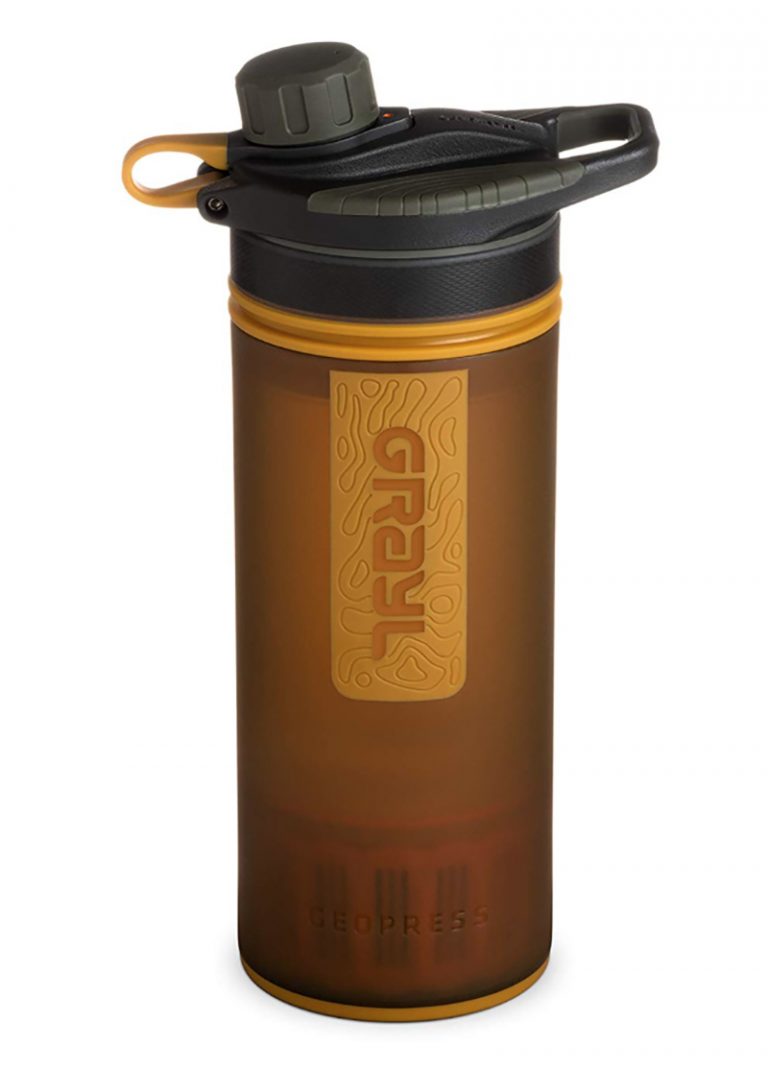
Grayl Geopress 24 oz Water Purifier Bottle
As I squatted next to a stream struggling to fill my filtration bladder I noticed my buddy was already boiling water for his meal. I continued working stubbornly for ten minutes to create enough clean water before I asked if I could borrow his Grayl Geopress water purifier bottle. About thirty seconds later I had…
-
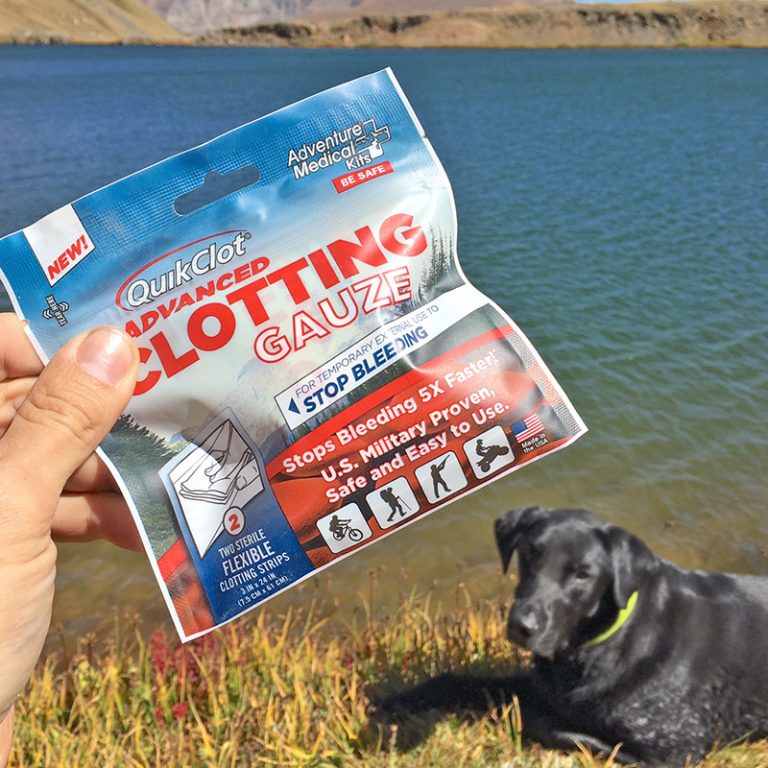
QuikClot Gauze
I’m always making small adjustments to the items I consider Every Day Carry (EDC) in my bird vest based on the conditions and situations we run into in the field. Of course there are always shells, there’s always water, generally a snack though it may be from a previous hunting season. Most of the EDC…
-
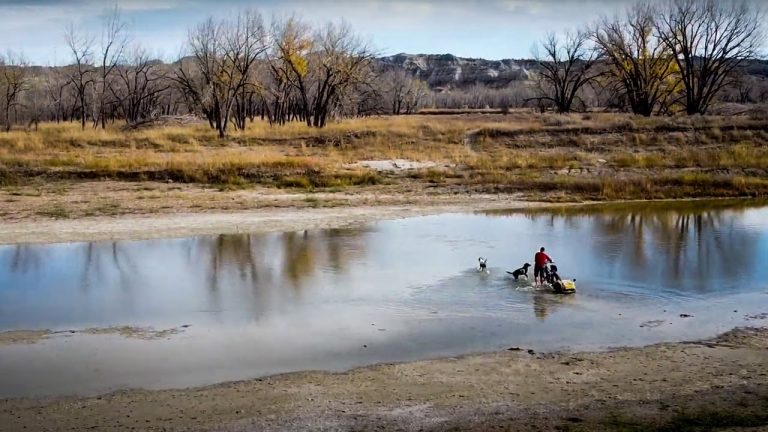
Way Upland Season II Episode 10
River Crossing, Racing Thunderstorms and Sharptail Lasagna in the Backcountry. Maybe one of my favorite days on the trail: nice ride, great camp, lucky shooting. When I first thought of this hunt across the Maah Daah Hey, these were the kind of days I had in mind.
-
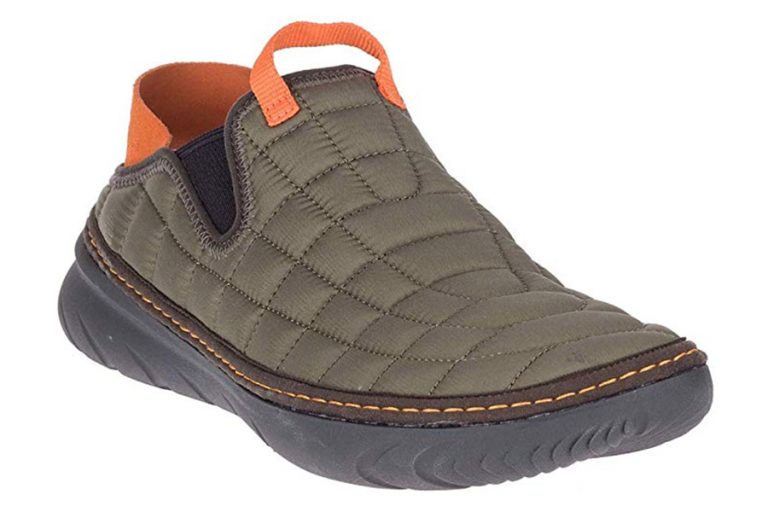
Merrell Hut Moc
The Hut Moc are the perfect footwear solution for knocking around camp. Lightweight with quilted tops, they easily slide on and off getting in and out of the tent or camper. The soles are still beefy enough to protect feet from rocks, sticks or embers. Great color options are available for both men and women…
-
Highlights From the 2012 Bird Hunting Season
It seems like eons ago when we were climbing to 12,000 feet in the Ruby Mountains in pursuit of Snowcock. But it was just a short six months since we set off to start the 2012 bird hunting season. Now that wild bird hunting in the lower 48 has ended I sit here reflecting on…
-
Lowa Irox GTX Mid
100% vegan boots. Let that sink in for a bit…….a hunter wearing vegan boots. Now what does that really mean? One thing I know for sure is when leather gets wet it gets heavy. And heavy feet aren’t good when covering lots of miles. Whether shale slides, gnarly grouse woods or prairie grasses, upland…