Nebraska Bird Hunting
Seasons Span September 1 – January 31, 2027

State Drought Monitor – Upland hunting conditions are often highly dependent upon moisture for both habitat production and bird survival.
Nebraska Upland Game Bird Hunting Overview
State DNR & Licensing Information
Upland game bird hunting in Nebraska is administered by the Nebraska Game and Parks Commission (NGPC).
License Requirements & Fees
- Resident Annual Small Game Hunt Permit: $20
- Nonresident Annual Small Game Hunt Permit: $128
- Nonresident 2-Day Small Game Permit: $89
- Nebraska Habitat Stamp: $25
- HIP Registration: Required for dove, snipe, rails and woodcock.
- Prairie Grouse: Special permit required east of U.S. Highway 81. (Nebraska Game & Parks Commission)
Season Dates & Bag Limits — 2026–2027
Ring-Necked Pheasant
- Youth Season: October 24–25, 2026
- Regular Season: October 31, 2026–January 31, 2027
- Daily Limit: 3 roosters
- Possession Limit: 12
Northern Bobwhite Quail
- Youth Season: October 24–25, 2026
- Regular Season: October 31, 2026–January 31, 2027
- Daily Limit: 6
- Possession Limit: 24
Prairie Grouse
- Season: September 1, 2026–January 31, 2027
- Daily Limit: 3
- Possession Limit: 12
- Note: Special permit required east of U.S. 81.
Mourning & White-Winged Dove
- Season: September 1–October 30, 2026
- Daily Limit: 15
- Possession Limit: 45
American Woodcock
- Season: October 3–November 16, 2026
- Daily Limit: 3
- Possession Limit: 9
Weather Assessment & Bird Hunting Outlook
Survey Methodology
Nebraska has one of the more useful long-term upland datasets in the Great Plains. NGPC uses:
- April and July Rural Mail Carrier Surveys (RMCS)
- Northern Bobwhite Whistle Counts
- Spring and summer field observations
- Regional biologist reports
- Long-term population indices and habitat data
The July RMCS is particularly useful because it measures birds after the nesting and brood-rearing period. (Nebraska Game & Parks Commission)
The problem for a 2026 forecast is that the complete 2026 July survey/outlook is not yet publicly available. The latest published July RMCS is from 2025, so the 2026 forecast has to combine the available 2026 spring information with independent weather and drought data rather than pretending we have a completed 2026 population survey.
Weather Impact & Habitat Conditions
- Pheasant: Spring moisture is beneficial for nesting cover and insect production, while summer drought can reduce brood habitat and food availability. CRP and other grassland cover are especially important.
- Quail: Mild winters are highly beneficial, but summer moisture and insect availability strongly influence chick survival.
- Prairie Grouse: Grassland condition, forb/insect production and brood cover are particularly sensitive to summer precipitation.
- Dove: Agricultural conditions and grain harvest timing are more important than statewide drought alone.
- Woodcock: Fall precipitation and migration fronts will be the primary determinants of hunting conditions.
- Snipe/Rails: Wetland and soil moisture conditions will drive localized opportunity.
Nebraska’s current conditions deserve more caution than the state’s 2025 outlook might suggest. Drought.gov shows drought affecting portions of the state in late July 2026, while the broader Northern Plains have experienced worsening drought. Importantly, conditions vary considerably by region, so a statewide drought label does not tell the whole story. (Drought.gov)
The 2025 experience also demonstrates why drought needs to be incorporated independently: Nebraska had drought early in the year, yet later rainfall produced favorable nesting and brood-rearing conditions. Conversely, emergency CRP haying/grazing reduced cover in portions of the state. (Nebraska Game & Parks Commission)
2026–27 Statewide Population Outlook
- Ring-Necked Pheasant — FAIR–GOOD: The latest available July survey showed the statewide index 12% below 2024 and 9% below the 2020–24 average, although Southwest Nebraska remained the strongest region at 1.11 birds per 100 miles. (Nebraska Game & Parks Commission) Current drought conditions reduce confidence in a statewide rebound, but irrigated agriculture, river corridors and areas with strong grass cover should remain productive.
- Northern Bobwhite Quail — GOOD: Nebraska’s core quail range in the southeast and south-central portions of the state has historically produced the strongest densities. Mild winters are a major advantage, although summer moisture will determine how much recruitment carries into fall. (Nebraska Game & Parks Commission)
- Prairie Grouse — FAIR–GOOD: Nebraska remains one of the country’s strongest prairie-grouse states, particularly in the Sandhills. However, drought conditions and declining grassland quality in portions of the state create considerable regional variability.
- Mourning Dove — GOOD: Extensive agricultural habitat provides abundant opportunity, particularly where grain and water sources concentrate birds.
- American Woodcock — FAIR: Nebraska is primarily a migration state for woodcock. Fall rainfall and the timing of northern cold fronts will matter more than current summer population conditions.
- Wilson’s Snipe & Rails — FAIR: Highly localized and dependent upon wet conditions.
Overall Nebraska Outlook: GOOD. Nebraska remains one of the better mixed-bag upland states, with pheasant, bobwhite, sharp-tailed grouse and greater prairie-chicken providing legitimate wild-bird opportunities across different regions. However, I would not rate Nebraska as GOOD–EXCELLENT yet. The lack of a completed 2026 July RMCS and the current drought conditions introduce meaningful uncertainty. The best bets should be quality habitat in the Southwest and Panhandle for pheasant, the southeast/south-central region for quail, and intact grassland complexes in the Sandhills for prairie grouse. (Nebraska Game & Parks Commission)
Forecast confidence: Moderate. The key piece of missing information is the 2026 July RMCS. Once NGPC publishes it, that survey should materially tighten the 2026–27 forecast.
Note: Costs and regulations are based on 2024 data where 2025 specifics were unavailable. Confirm with the Nebraska Game and Parks Commission (GoOutdoorsNE.com) for the most current information before hunting, as prices and rules may change.
-
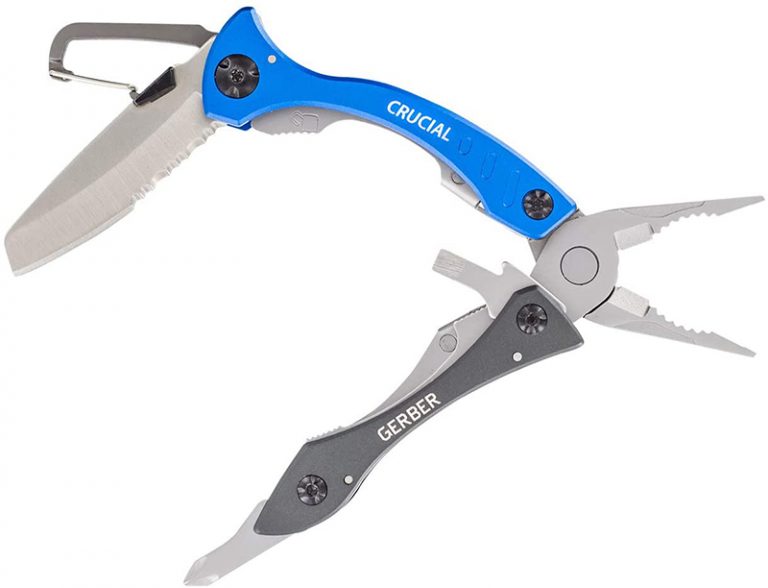
Gerber Crucial
Weight, weight, weight… no, seriously. I have carried a multi-tool in my bird vest for years. And the number of times I used that massive have-it-all tool with something for every eventuality over the course of those years…… zero. Because of the rigors of this season of Way Upland, I broke down all my gear…
-
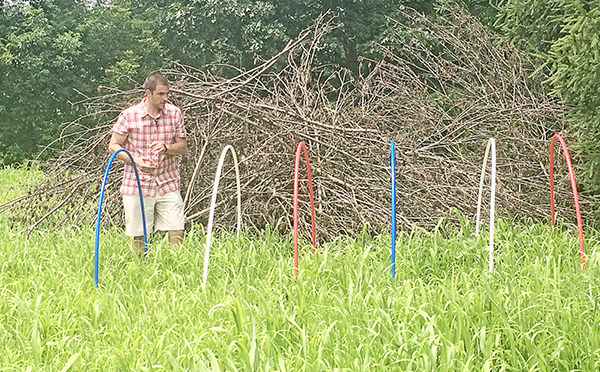
Backyard Bobwhite: Part 2
Can a pen-raised quail make it in the wild? If you’ve had the privilege to hunt Bobwhite over a few seasons in areas where they still reside, you likely know that year over year you will find birds in the exact same locations. Read old stories from some of the great quail hunting authors and…
-
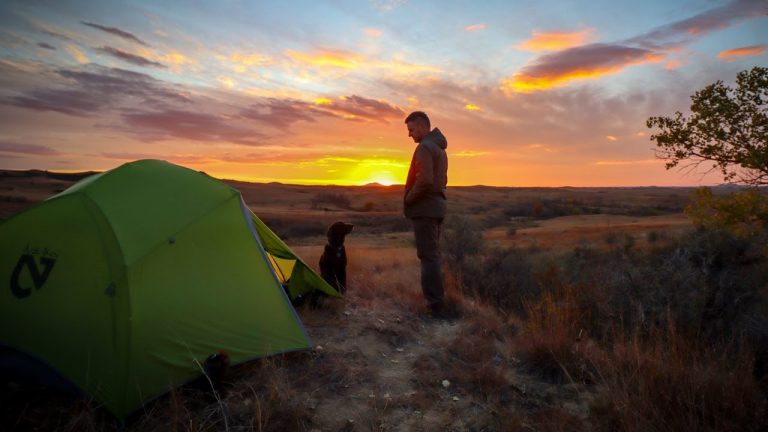
Way Upland Season II Episode 5
After adjusting caches and modifying the plan, the support team is headed for home ( Alex from APT Outdoors) leaving us alone on the trail to cover as much ground as we can. North from Medora, North Dakota – the old stomping grounds of Theodore Roosevelt – we ride across the badlands chasing birds. There’s not…
-
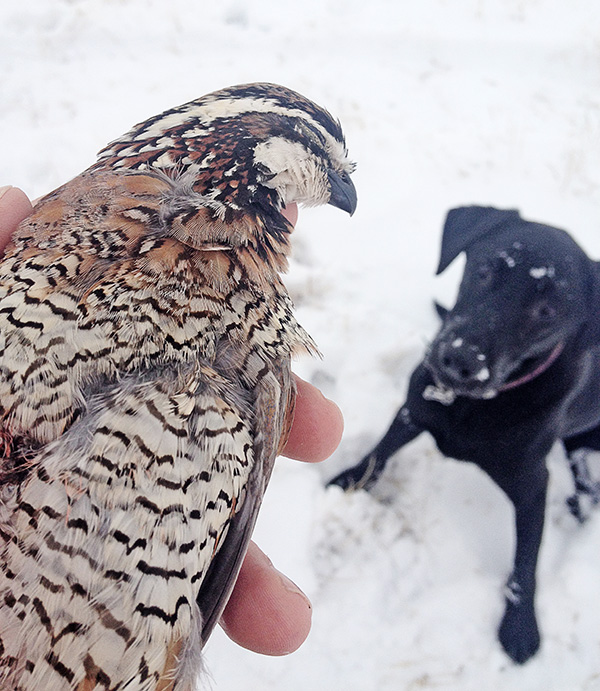
3000 Miles for One Bird
The sun is dipping into the horizon and the thermometer reads 19° when the dogs and I return to the truck after hunting the final day of upland season in Kansas. A quick check of the fitness band reveals I’ve hiked over 12 miles in eight inches of new snowfall. The dogs never stopped hunting…
-
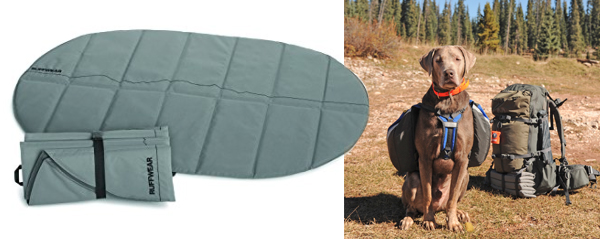
Ruffwear Highlands Pad
When roughin’ it in the backcountry, your K9 companion needs to sleep just as well as you do to have the energy to find wild birds. In search of a lightweight pad to carry for Lincoln on our backpacking adventure up 12,000 feet to chase ptarmigan, I stumbled upon the Highlands Pad from Ruffwear ($30)….
-
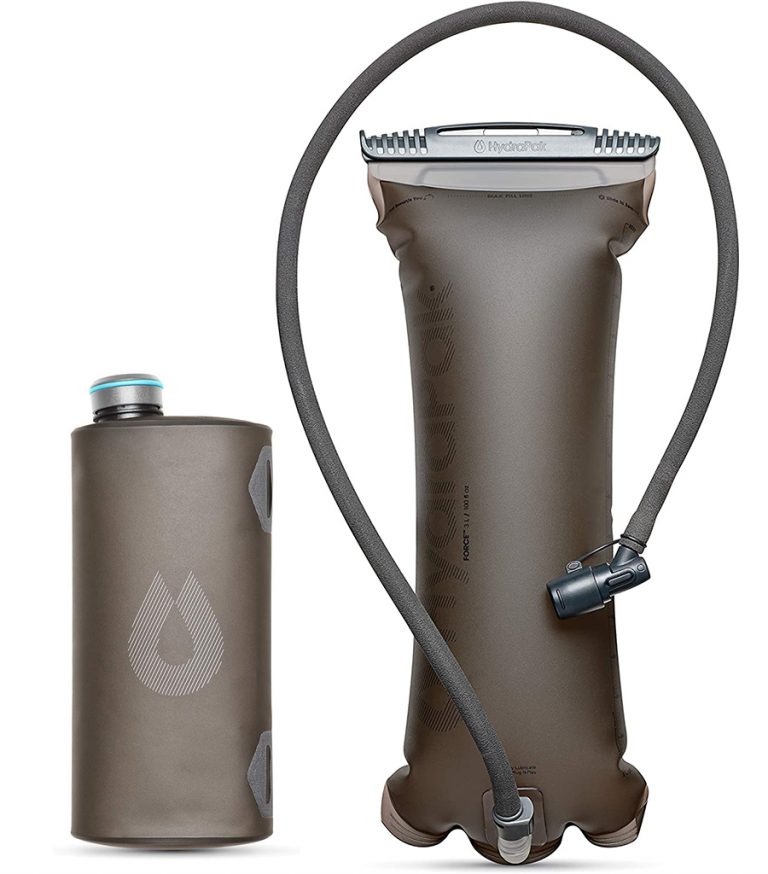
HydraPak 3L Bladder / HydraPak Seeker Water Bottle
Running bird dogs in country where there is minimal surface water, the only way to extend the hunt is to carry enough water. HydraPak’s 3L Bladder upfitted to my vest lets us keep hunting when the land is parched. The insulated drink tube helps keep the water flowing on chilly mornings. I remove the high-flow…