Montana Bird Hunting
Seasons Span September 1 – January 1, 2027

State Drought Monitor – Upland hunting conditions are often highly dependent upon moisture for both habitat production and bird survival.
Yes. I would revise the Montana entry rather than merely append a caveat. The original forecast understated the drought’s likely effect on 2026 recruitment and habitat. The current independent drought data show drought covering a large portion of Montana, with particularly serious conditions across south-central and eastern areas. (Drought.gov)
Montana Upland Game Bird Hunting Overview
State DNR & Licensing Information
Upland game bird hunting in Montana is administered by Montana Fish, Wildlife & Parks (FWP).
License Requirements & Fees
- Resident Upland Game Bird License: $10
- Nonresident Upland Game Bird License: $127
- Conservation License: Required in addition to the upland license.
- Sage Grouse: Free supplemental permit required.
- Migratory Bird License: Required for applicable migratory species including snipe and dove.
- HIP Registration: Required for applicable migratory birds. (Montana FWP)
Season Dates & Bag Limits — 2026–2027
Mountain Grouse
- Season: September 1, 2026–January 1, 2027
- Daily Limit: 3 in aggregate
Sharp-tailed Grouse
- Season: September 1, 2026–January 1, 2027
- Daily Limit: 4
- Possession Limit: 12
- Note: Closed west of the Continental Divide.
Ring-Necked Pheasant
- Youth Hunt: September 19–20, 2026
- Season: October 10, 2026–January 1, 2027
- Daily Limit: 3 cock pheasants
- Possession Limit: 9
Sage Grouse
- Season: September 1–30, 2026
- Daily Limit: 2
- Possession Limit: 4
- Note: Closed west of the Continental Divide; supplemental permit required.
Gray Partridge
- Season: September 1, 2026–January 1, 2027
- Daily Limit: 6
- Possession Limit: 18
Montana’s 2026 regulations establish different opening dates for some nonresident hunting on public and access-program lands. (Montana FWP)
Weather Assessment & Bird Hunting Outlook
Survey Methodology
FWP’s biological information is used for population and habitat assessment, but the hunting forecast is independently weighted against:
- U.S. Drought Monitor/Drought.gov conditions
- NOAA/National Weather Service precipitation and temperature data
- Soil moisture and streamflow
- Spring and summer precipitation
- Historical population and harvest trends
- Habitat conditions and agricultural production
This distinction is important in 2026 because Montana’s current environmental conditions are substantially worse than a generic statewide FWP hunting assessment suggests.
Weather Impact & Habitat Conditions
- Pheasant: Drought can reduce nesting and brood-rearing cover, insect production and late-summer habitat quality. Agricultural areas with irrigated crops or better residual cover should outperform surrounding drylands.
- Sharp-tailed Grouse: Dry grasslands can provide poor brood habitat when vegetation and insect production decline. The impact is greatest where drought is persistent.
- Sage Grouse: Drought can reduce forb and insect availability and degrade brood-rearing habitat. Habitat condition is especially important because sage grouse already face substantial long-term population pressures.
- Mountain Grouse: Forested mountain habitats are somewhat buffered from prairie drought, although dry conditions can affect food availability and increase wildfire pressure.
- Gray Partridge: Agricultural landscapes with remaining green cover and adequate nesting habitat should outperform the surrounding dry prairie.
2026 Statewide Population Outlook
Montana is currently experiencing a major regional drought gradient. Drought.gov reports substantial drought coverage, while NOAA/NWS data show particularly serious conditions across south-central and eastern Montana. The state’s drought situation also includes below-normal streamflow and persistent moisture deficits. (Drought.gov)
- Ring-Necked Pheasant — FAIR: Drought substantially reduces confidence in a strong statewide forecast. Best prospects should be in irrigated agricultural areas, river bottoms and locations retaining good grassland cover.
- Sharp-tailed Grouse — FAIR: Dry prairie conditions are a significant concern. Localized areas that retained adequate grass and forb cover should be considerably better than the statewide average.
- Sage Grouse — POOR–FAIR: The combination of drought and already stressed habitat makes this the weakest of Montana’s major upland opportunities.
- Gray Partridge — FAIR: Agricultural areas with adequate residual cover should produce localized opportunities, but drought is a significant negative factor.
- Mountain Grouse — FAIR–GOOD: A relative bright spot because forested habitat in western and northwestern Montana is less directly exposed to the prairie drought, although conditions vary substantially by region.
Overall Montana Outlook: FAIR. The state remains an extraordinarily diverse upland destination, but 2026 should not be treated as a uniformly good year. The strongest opportunities are likely to be highly localized, with western/northwestern mountain habitat and irrigated or moisture-retaining agricultural areas offering the best prospects, while drought-stressed prairie across much of eastern and south-central Montana presents substantially greater risk. (Drought.gov)
Forecast confidence: Moderate. The biggest remaining uncertainty is the degree to which late-summer rainfall improves brood habitat before the September seasons. Drought.gov’s current data also show that conditions can differ dramatically between Montana regions, so a regional forecast will be more useful than the statewide rating as we get closer to opening day. (Drought.gov)
For the most up-to-date information, visit the Montana FWP website (fwp.mt.gov) or use the MyFWP mobile app for digital licenses, maps, and regulations.
-
Finding Answers
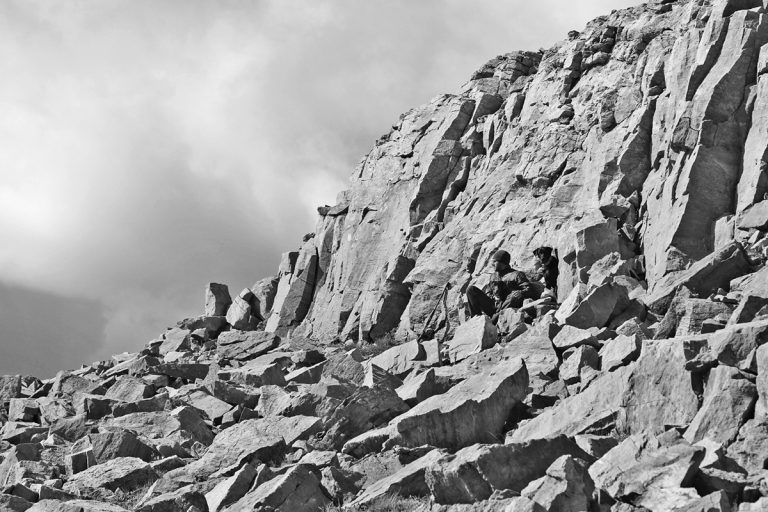
Spike camp was two miles from base — as the raven flies not really that far in this expansive National Forest. But as flatlanders taking on the thin air of elevated places, two miles is a decent gap to begin separating yourself from those less prepared to depart known trails and the easy-breathing comfort of…
-
Way Upland Season II Episode 8
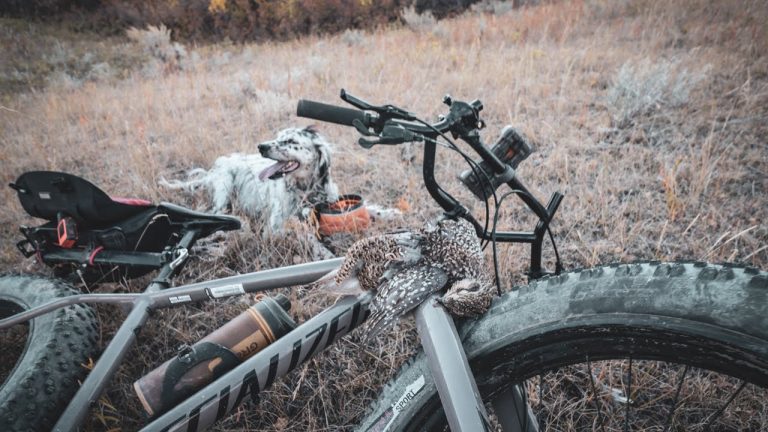
I’ve said bird hunting karma exists BUT this episode proves it. We break a bike chain over two miles from a road and have to navigate our way to safety. If you’d like to read the companion article: Good Deeds in Badlands.
-
Two Mountains Offer Different Views
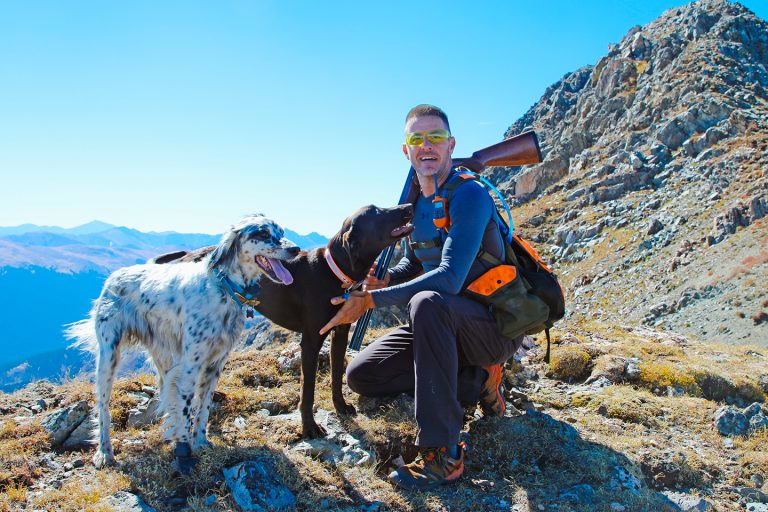
Sitting here in camp staring at these two peaks in Arapaho National Forest. In the last week the dogs and I have visited both. It seems somewhat surreal, not that there is anything particularly outrageous about either. They aren’t the tallest or most dangerous. But the scale is so incredibly different from this low vantage…
-
Hunting the Polar Vortex
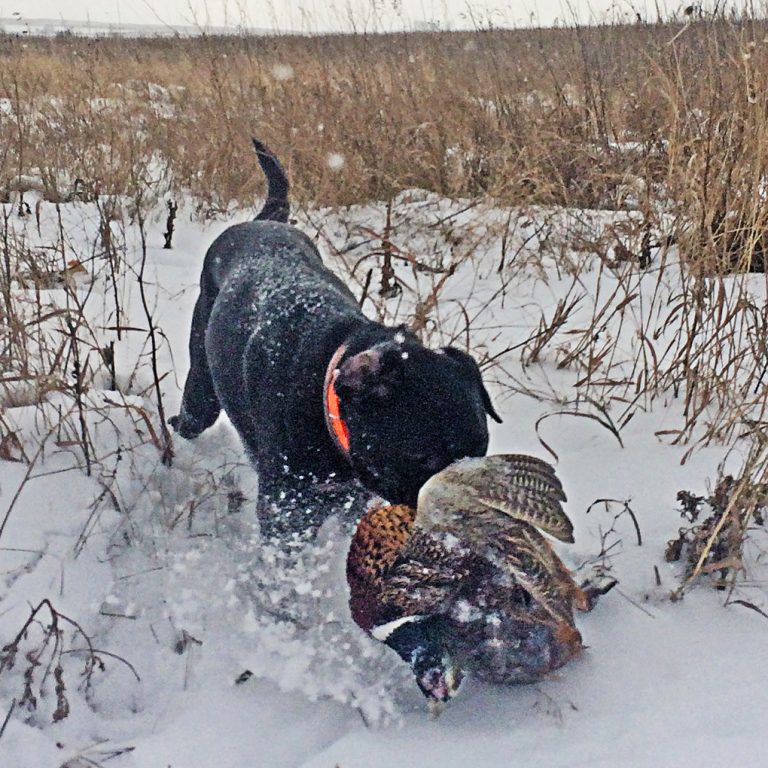
The first half of the 2014 Upland Season is over and it’s been a whirlwind of travel all across the country. But this last trip to South Dakota hunting in brutally cold conditions was a great reminder that some of the best memories afield come from facing adversity and overcoming.
-
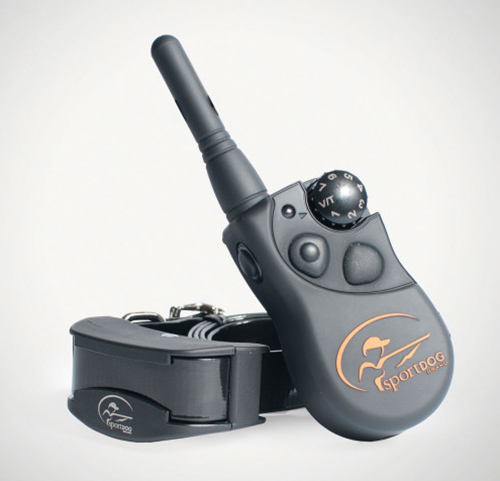
SportDOG FieldTrainer 425
It’s easy to get overwhelmed with training collars that seem to be adding more and more features. But sometimes the classics are just hard to beat. The SportDOG FieldTrainer® 425 was the first collar I ever purchased for training my very first dog. It still works flawlessly. And though I’ve added new collars with added…
-
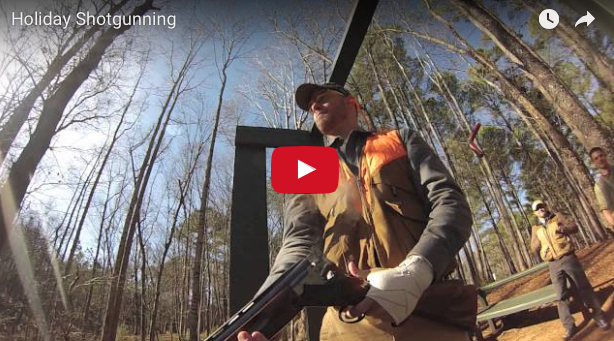
Holiday Shotgunning
http://youtu.be/7GA5JIX0T3s We decided that as part of the Ultimate Upland New Year’s Resolution we should work to introduce more people to the sport we love. We’re going to ring in 2014 with a bang!