Massachusetts BirD Hunting
Seasons Span October 18 – December 31, 2025

State Drought Monitor – Upland hunting conditions are often highly dependent upon moisture for both habitat production and bird survival.
Massachusetts Upland Game Bird Hunting Overview
State DNR & Licensing Information
Upland and migratory game bird hunting in Massachusetts is administered by Massachusetts Division of Fisheries & Wildlife (MassWildlife).
License Requirements & Fees
- Resident Hunting License: $40
- Nonresident Small Game License: $78
- Resident Sporting License: $75
- Pheasant/Quail Permit: $20 resident / $30 nonresident
- Wildlands Conservation Stamp: $5
- HIP Registration: Required for woodcock, snipe, rails and other applicable migratory birds. (Massachusetts Government)
Season Dates & Bag Limits — 2026–2027
Ruffed Grouse
- Season: October 17–November 28, 2026
- Daily Limit: 3
- Possession Limit: 6
- Season Limit: 15 (Massachusetts Government)
Ring-Necked Pheasant
- Season: October 17–December 31, 2026
- Daily Limit: 2
- Possession Limit: 4
- Requirement: Pheasant/Quail Permit
- Note: Closed during the shotgun deer season. (Massachusetts Government)
Bobwhite Quail
- Season: October 17–December 31, 2026
- Zones: 1–14
- Daily Limit: 4
- Possession Limit: 8
- Requirement: Pheasant/Quail Permit
- Note: Primarily a stocked opportunity. (Massachusetts Government)
American Woodcock
- Season: October 1–November 21, 2026
- Daily Limit: 3
- Possession Limit: 9
Important: Massachusetts prohibits Sunday hunting, and most upland seasons close during the state’s shotgun deer season. (Massachusetts Government)
Weather Assessment & Bird Hunting Outlook
Survey Methodology
MassWildlife’s assessment of upland birds incorporates:
- Ruffed Grouse monitoring and harvest information to track abundance and distribution.
- Migratory-bird population surveys conducted through state and federal programs.
- Hunter harvest information and HIP data for migratory species.
- Stocking records for pheasant and bobwhite, which are particularly important because these are predominantly stocked hunting opportunities in Massachusetts.
Weather Impact & Habitat Conditions
- Ruffed Grouse: Spring weather influences nesting and brood survival, but the availability of young forest remains the major habitat consideration.
- Woodcock: Moist soils are critical for feeding. Fall rainfall followed by cold fronts should improve migration and hunting conditions.
- Pheasant & Quail: Weather affects survival after release, but stocking density and access to stocked areas are much more important than statewide wild-bird population trends.
- Snipe & Rails: Wet fields and marsh conditions are the principal short-term factors.
Massachusetts experienced highly variable July conditions. Worcester, for example, recorded 2.63 inches of precipitation through July 7 versus a normal 0.83 inches, while later July periods were substantially drier. (National Weather Service)
2026–27 Statewide Population Outlook
- Ruffed Grouse — FAIR: Massachusetts retains substantial forest habitat, but the availability and distribution of young forest are critical. Best prospects should be in regenerating stands rather than mature woods.
- Pheasant — GOOD: The state’s extensive stocking program makes this the most predictable upland opportunity, particularly around regularly stocked WMAs. (Massachusetts Government)
- Bobwhite Quail — FAIR, VERY LOCALIZED: Opportunities are concentrated around the two MassWildlife stocking locations rather than wild populations. (Massachusetts Government)
- American Woodcock — GOOD: Massachusetts offers meaningful fall migration habitat; prospects should improve following October rainfall and the arrival of northern cold fronts.
- Wilson’s Snipe — FAIR: Localized wet fields and marshes should provide the best opportunities.
- Rails — FAIR/LOCALIZED: Dependent on suitable marsh and shallow-water habitat.
Overall Massachusetts Outlook: GOOD. The state’s strongest combination is stocked pheasant + migratory woodcock, with ruffed grouse providing a legitimate wild-bird opportunity for hunters willing to target younger forest habitat.
Key Not
This summary provides a comprehensive overview of the 2025-26 Massachusetts upland bird hunting season. For the most up-to-date information, consult the official Massachusetts Guide to Hunting, Freshwater Fishing, and Trapping at www.mass.gov/masswildlife or contact MassWildlife directly.
-
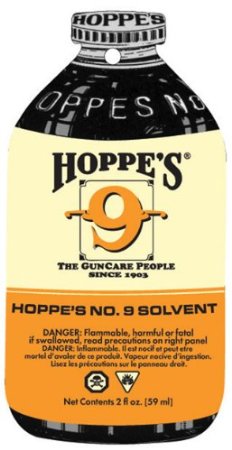
Hoppes 9 Wipes and Air Freshener
I hate when I go to clean the shotgun while traveling and find the bottle of solvent has leaked and is empty. These Hoppes 9 Wipes ($9) put an end to that. And to make sure the truck still has that new gun aroma, I’ve added the Hoppes 9 Air Freshener. SHOP THE STORY
-
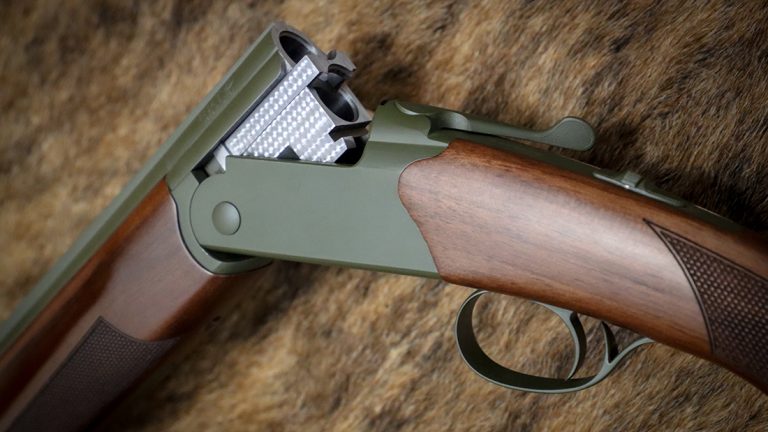
CZ Upland Ultralight All-Terrain 20 Gauge Shotgun
We’ve been putting the CZ Upland Ultralight through the paces for a number of months now. CZ has done a really good job of making upgrades to this over/under platform while still managing to keep the price reasonable for a new double. The first thing you’ll notice is the color: sage, matte Cerakote cloaks the…
-
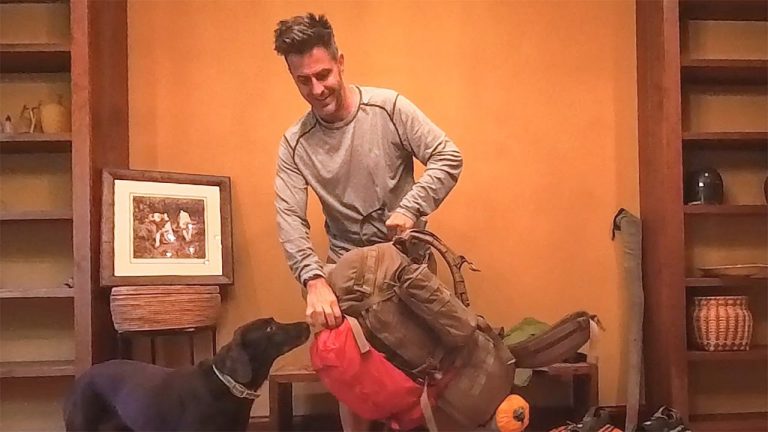
Planning, Planning and More Planning
Big trips take lots of planning. After months of training, staging gear and working through contingencies, it’s all come down to the packing. The upland season is upon us.
-
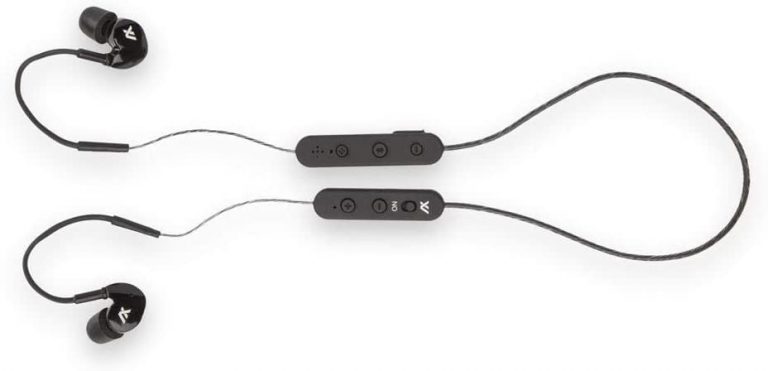
Axil GS Extreme Earbuds
“What?! Did you ask if I got my COVID booster? No? OH! Rooster!” You never know what you might hear out in the field this year. But, with a pair of Axil GS Extreme Earbuds, I’m betting you won’t hear “booster.” The Axil GS Extreme Earbuds offer great features such as: 6X hearing enhancement (for…
-
Hot Drunk Dates and Broken Hearts
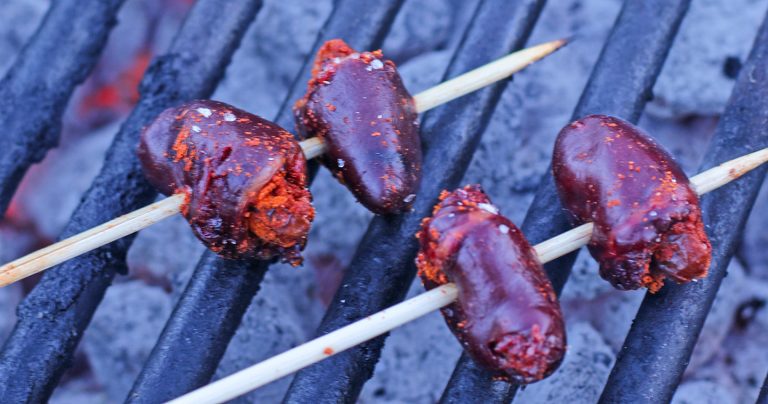
Decided to take a lot of my favorite things from the camp pantry and do a quick, simple recipe in classic country song style. Here’s to eating beak to feet. Game birds hearts should never go to waste. Great, lean protein for camp appetizers.
-
Treed Grouse Dilemma
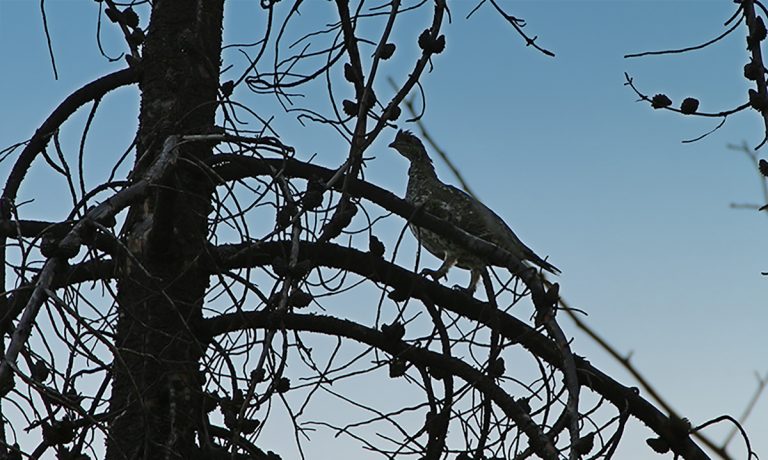
There are times, especially early in a season, when forest grouse – Dusky, Spruce, Ruffed – have yet to recognize that almost everything loves the taste of grouse. Nearly 70% of these birds will not see a second year. The short hop to the nearest tree seems the earliest learned evasion tactic which can be…