Iowa Bird Hunting
Seasons Span October 11 – January 31, 2026

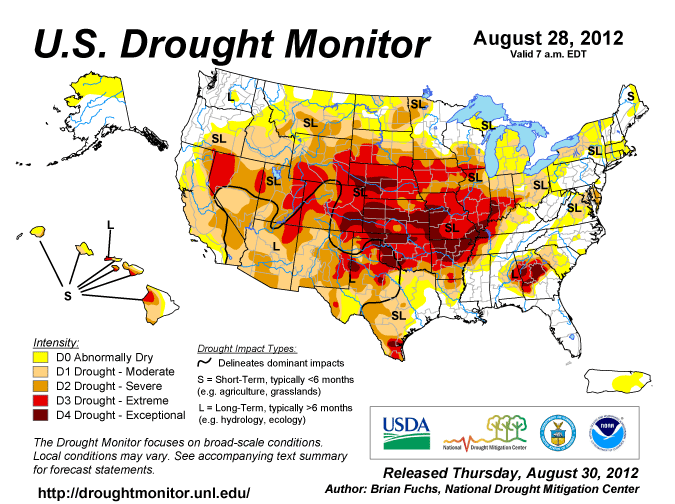
State Drought Monitor – Upland hunting conditions are often highly dependent upon moisture for both habitat production and bird survival.
Bird Hunting Seasons and Limits
- Rooster Pheasant:
- Regular Season: October 25, 2025 – January 10, 2026
- Youth Season: October 18–19, 2025
- Daily Bag Limit: 3 roosters (regular season); 1 rooster (youth season)
- Possession Limit: 12 roosters (regular season); 2 roosters (youth season)
- Hunting Hours: 8:00 AM to 4:30 PM
- Notes: Hunters must wear at least 50% blaze orange visible above the waist (e.g., hats, coats, vests).
- Bobwhite Quail:
- Season: October 25, 2025 – January 31, 2026
- Daily Bag Limit: 8 birds
- Possession Limit: Not specified in sources (typically 3x daily bag limit; confirm with DNR)
- Notes: Populations have improved due to habitat management. Hunters must wear blaze orange.
- Ruffed Grouse:
- Season: October 4, 2025 – January 31, 2026
- Daily Bag Limit: 3 birds
- Possession Limit: Not specified in sources (typically 3x daily bag limit; confirm with DNR)
- Notes: Limited to a specific zone in northeast Iowa (bordered by U.S. Highways 63, 20, 151, and Iowa Highways 13, 64). Blaze orange required.
- Gray (Hungarian) Partridge:
- Season: October 11, 2025 – January 31, 2026
- Daily Bag Limit: 8 birds
- Possession Limit: Not specified in sources (typically 3x daily bag limit; confirm with DNR)
- Notes: Most prevalent in northwest Iowa. Blaze orange required.
Required Licenses and Costs
- Small Game Hunting License:
- Resident: $20 annually (or included in the Hunting/Habitat Fee Combo for $35 or Outdoor Combo for $55, which includes fishing and habitat fees)
- Nonresident: $130 annually or $75 for a 5-day license
- Notes: Required for all upland bird hunters aged 16 and older. Youth under 16 (residents) may hunt without a license if accompanied by a licensed adult (18+). Nonresident youth under 16 need a nonresident youth preserve license and habitat fee for licensed preserves.
- Wildlife Habitat Fee:
- Cost: $15 (required for residents aged 16–64 and all nonresidents hunting upland game, except on licensed preserves with a preserve-specific license)
- Notes: Funds habitat development. Included in Hunting/Habitat Fee Combo or Outdoor Combo licenses.
- Hunter Education Requirement:
- Anyone born after January 1, 1972, must complete an approved hunter education course before purchasing a hunting license. Iowa recognizes certificates from other states and some foreign nations.
- Additional Requirements for Migratory Birds (e.g., Mourning Dove, Woodcock):
- Harvest Information Program (HIP): Free registration required for all migratory bird hunters (online at www.gooutdoorsiowa.com or by calling 1-855-242-3683).
- Iowa Migratory Game Bird Fee: $10 (required for woodcock; not required for doves).
- Federal Duck Stamp: Required for woodcock hunting ($25, available at post offices or online).
Additional Notes
- Blaze Orange: Upland bird hunters must wear at least 50% blaze orange visible above the waist for safety.
- Nontoxic Shot: Required on public lands for all game except deer and turkey.
- Landowner Permission: Required for hunting on private land. The Iowa Habitat and Access Program (IHAP) provides nearly 32,000 acres of public access on private lands.
- Dog Training: Allowed from July 16, 2025, to March 14, 2026, with a hunting license and habitat fee. Only blank cartridges are permitted during closed seasons.
- Verification: Season dates, bag limits, and fees are subject to change. Always refer to the Iowa DNR’s official regulations (www.iowadnr.gov) or the Iowa Hunting, Trapping, & Migratory Game Bird Regulations booklet for the latest information.
This summary covers the primary upland game birds (pheasant, quail, ruffed grouse, partridge). For migratory birds like doves, snipe, rails, or woodcock, additional seasons and regulations apply (e.g., doves: September 1–November 29, 2025, with a daily bag limit of 15). Always verify with the Iowa DNR for precise 2025-26 details.
-
Kansas Bird Hunting in Perspective
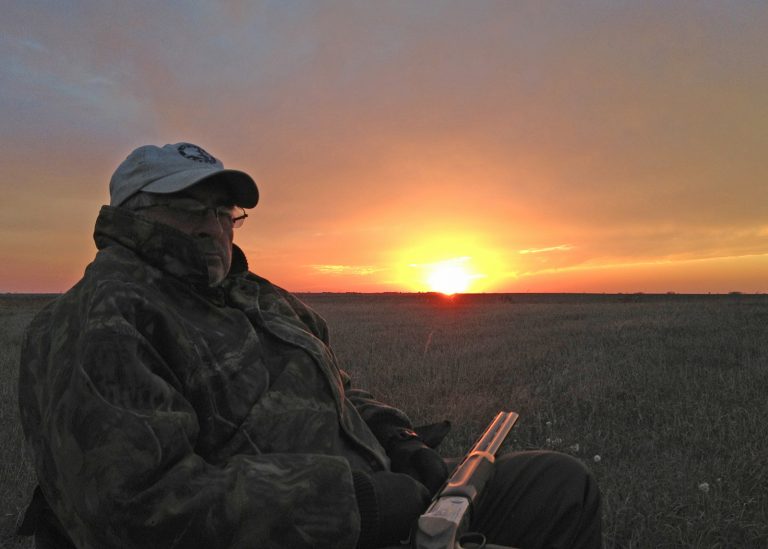
I make the annual pilgrimage to Kansas to reunite with old friends and family. It reminds me of where my passion for bird hunting was first kindled. Because this year was no exception to the rule, Kansas seemed like the right place to bring together our young Jornada Llewellin Rio with our veteran flusher Wyatt…
-
Pheasant Defying Drought….. For Now
There has been a lot of news about the terribly dry conditions across the bulk of the country this year. This news sparked many early negative predictions for the upland populations. If you read much about the lifecycle of upland birds though, most don’t require much water when they are young. So unlike harsh winters…
-
Hunting the Polar Vortex
The first half of the 2014 Upland Season is over and it’s been a whirlwind of travel all across the country. But this last trip to South Dakota hunting in brutally cold conditions was a great reminder that some of the best memories afield come from facing adversity and overcoming.
-
The Top 3 Wild Pheasant Hunting Tips
There are tons of variables involved when pheasant hunting: weather, dogs, number of hunters, blockers, terrain, time of day….. the list is almost endless. But regardless of these elements, there are 3 things you can always use that will improve your success against the wily wild rooster. The bird hunters’ opening day is also most…
-
Grilled Pheasant + Mojo Sauce
This spatchcocked, grilled pheasant is probably one of the more satisfying meals I have made with wild game to date. The crispy skin is full of flavor from a homemade dry rub, the meat is tender and juicy, and the citrus-garlic Mojo sauce is so delicious. Cuban Mojo Sauce This Mojo sauce has it all:…
-
Bird Hunting Amid Spun Tales
Every year in Kansas we hear funny stories about birds and hunting. Maybe it was the full moon, the start of the whitetail rut or the dismal bird forecasts that contributed to tales of the extra nutty variety this season. We hunt from a small town that resides in a county with a population just…