Georgia Bird Hunting
Seasons Span October 15 – February 28, 2026

State Drought Monitor – Upland hunting conditions are often highly dependent upon moisture for both habitat production and bird survival.
Seasons and Limits
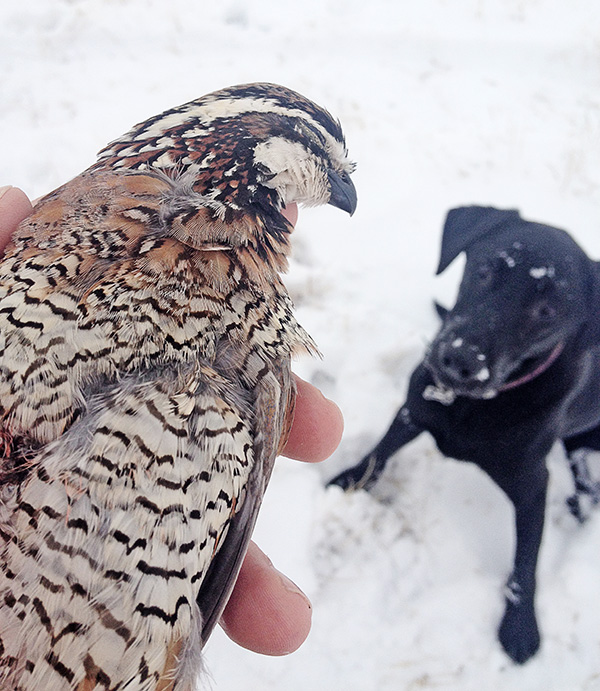
Bobwhite Quail
- Season Dates: November 8, 2025 – February 28, 2026
- Daily Bag Limit: 12 per day
- Possession Limit: Not explicitly stated in sources, typically three times the daily bag limit (assumed 36, but confirm with DNR).
- Notes: Quail hunting is popular in Georgia, especially in the plantation belt of south Georgia. WMAs like Silver Lake, Chickasawhatchee, River Creek, and Elmodel offer public hunting opportunities with managed habitats for bobwhite quail.
Ruffed Grouse
- Season Dates: October 15, 2025 – February 28, 2026
- Daily Bag Limit: 3 per day
- Possession Limit: Not explicitly stated, typically three times the daily bag limit (assumed 9, but confirm with DNR).
- Notes: Primarily hunted in northern Georgia’s mountainous regions.
Pheasant
- Season Dates: Not explicitly listed for wild pheasants in Georgia for 2025-26. Pheasant hunting is limited, often on controlled hunting areas or shooting preserves. Confirm with GeorgiaWildlife.com for specific dates.
- Daily Bag Limit: Not specified for wild pheasants; controlled hunts may allow 2 per day (based on other states like Illinois).
- Possession Limit: Not specified, likely 6 for controlled hunts (confirm with DNR).
- Notes: Wild pheasant populations are low in Georgia, and hunting may be restricted to preserves or specific WMAs.
Woodcock
- Season Dates: December 6, 2025 – January 19, 2026
- Daily Bag Limit: 3 per day
- Possession Limit: 9
- Notes: Requires a Georgia Waterfowl and Migratory Bird License and compliance with Harvest Information Program (HIP) requirements for migratory birds.
Required Licenses and Costs
To hunt upland birds in Georgia, hunters need the appropriate licenses, and those born on or after January 1, 1961, must complete a hunter education course unless exempt (e.g., hunting on own land or licensed shooting preserves). Below are the key licenses and estimated costs (base fees, subject to transaction fees; confirm at GoOutdoorsGeorgia.com):
- Resident Hunting License:
- Annual: $15
- One-Day: $5
- Notes: Covers small game, including quail, grouse, and crows. Additional permits may be needed for migratory birds like woodcock.
- Non-Resident Hunting License:
- Annual: $100
- One-Day: $20
- Notes: Non-residents pay higher fees; short-term licenses are available.
- Georgia Waterfowl and Migratory Bird License:
- Cost: $5 (resident), $25 (non-resident)
- Notes: Required for hunting migratory birds like woodcock, doves, ducks, or geese. Hunters 16 and older also need a federal duck stamp ($27–$29) for waterfowl.
- Harvest Information Program (HIP) Permit:
- Cost: Free
- Notes: Required for hunting migratory birds (e.g., woodcock, doves). Register via the Go Outdoors Georgia app.
- Shooting Preserve License:
- Cost: Not specified, but hunters with a general Georgia hunting license do not need an additional preserve license for pen-raised game birds on licensed preserves.
- Notes: Applies to hunting on commercial or private shooting preserves, common for quail and pheasant.
- Youth Exemptions: Hunters under 16 are exempt from license requirements but need a harvest record for big game (not applicable to upland birds).
- Senior Discounts: Residents 65+ can purchase lifetime licenses at reduced rates.
Additional Notes
- License Purchase: Licenses can be bought online at GoOutdoorsGeorgia.com, by phone at 1-800-366-2661, or at license vendor locations.
- Conservation Funding: License fees support Georgia’s wildlife conservation efforts through the Wildlife and Sport Fish Restoration program.
- Regulations: Always check specific WMA rules, federal migratory bird frameworks, and final dates at GeorgiaWildlife.com, as regulations can vary by location. Non-toxic shot is required for waterfowl and migratory birds like woodcock.
- Habitat and Opportunities: Georgia’s diverse habitats, from mountains to coastal plains, support upland bird hunting, with over 100 WMAs offering public access. Prescribed burning and habitat management enhance quail populations in areas like Silver Lake and Chickasawhatchee WMAs.
For the most accurate and up-to-date information, visit GeorgiaWildlife.com or GoOutdoorsGeorgia.com before planning your hunt.
-
3000 Miles for One Bird
The sun is dipping into the horizon and the thermometer reads 19° when the dogs and I return to the truck after hunting the final day of upland season in Kansas. A quick check of the fitness band reveals I’ve hiked over 12 miles in eight inches of new snowfall. The dogs never stopped hunting…
-
The Quail Hunter’s Lost Code
There’s a small, back corner on a piece of public land in Kansas that my dad and I have hunted for 10 years. It’s a good walk, probably a mile and a half each way. We are always drawn to the corner because every year there is a covey of Bobwhite in this tiny, scrubby…
-
Embrace the Hunting Curve
I kicked off this season hunting the entire month of September without ever pulling the trigger—for birds, not for big game, not for a once-in-a-lifetime tag draw. I never even came close. True, the Himalayan Snowcock might be the most challenging hunt in the country. This was my second attempt at those demons and I…
-
Inroads
We’ve been coming to this area of the grain belt for over 20 years. It took the locals at least seven of those to warm beyond a passing nod or the requisite finger waive to oncoming trucks. We now know many by name though most likely still recognize us only as familiar faces. Every year…
-
Backyard Bobwhite: Part 1
Is the key to restoring quail right out your back door? I grew up in small farming community in rural Northeast Ohio. It’s not considered an upland bird hot spot. But I still remember seeing wild quail when I was a kid. And I’ve verified this with others from the area. Bobwhite used to inhabit…