German Longhair Pointer
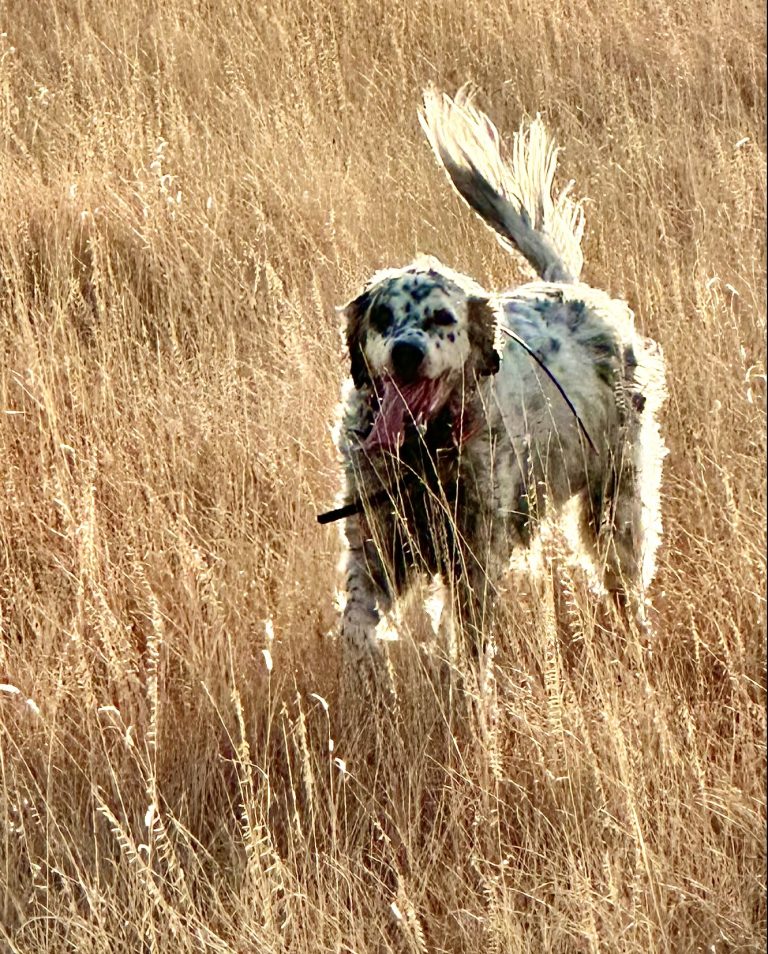
The German Longhaired Pointer (GLP), known in its native Germany as the Deutsch Langhaar, is a versatile and elegant hunting breed with a rich history dating back to the 19th century. One of the oldest German pointing breeds, the GLP was developed to meet the demands of hunters navigating Germany’s diverse terrains, from dense forests to open fields teeming with game like grouse, rabbits, and even larger animals such as deer and boar. Its origins trace back to crosses between bird dogs, water dogs, and German scent hounds, such as the Deutsche Bracke, with influences from setters and English Pointers to enhance speed and temperament. By 1879, German hunters had refined the breed, and in 1897, Baron von Schorlemer established the first breed standard, laying the foundation for the modern purebred GLP. This standard prioritized function over form, emphasizing the breed’s ability to point, track, and retrieve game across various environments. A significant change occurred in 1908 when black coat color was disallowed, leading to the formation of the Large Münsterländer from dogs with black markings, while the GLP retained brown, brown-and-white, or brown roan coats.
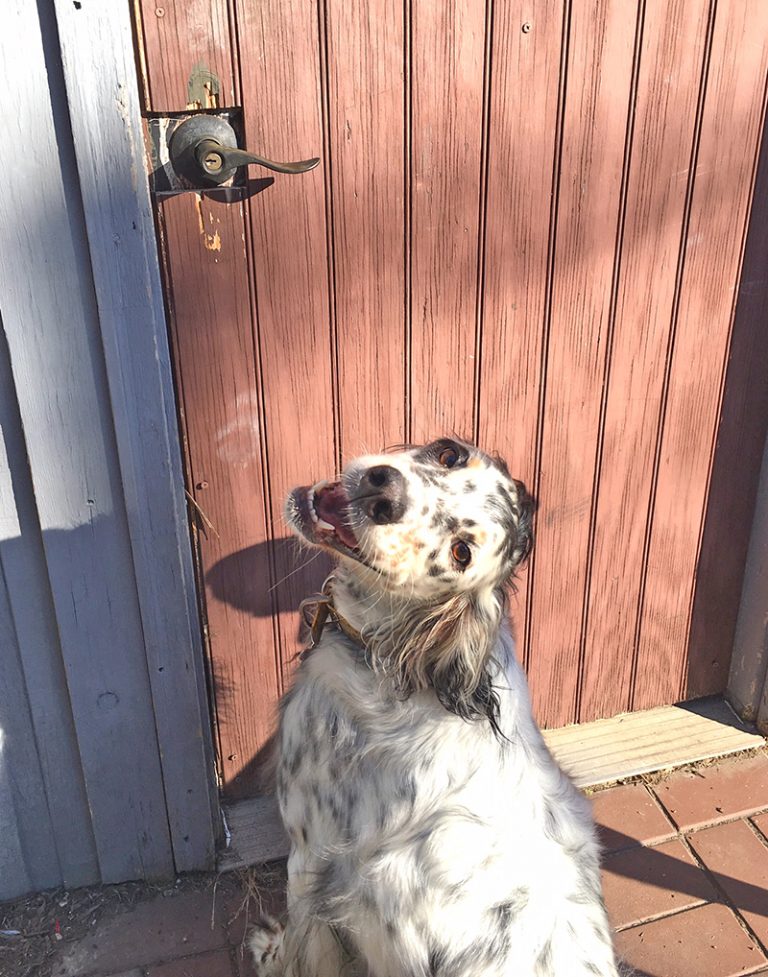
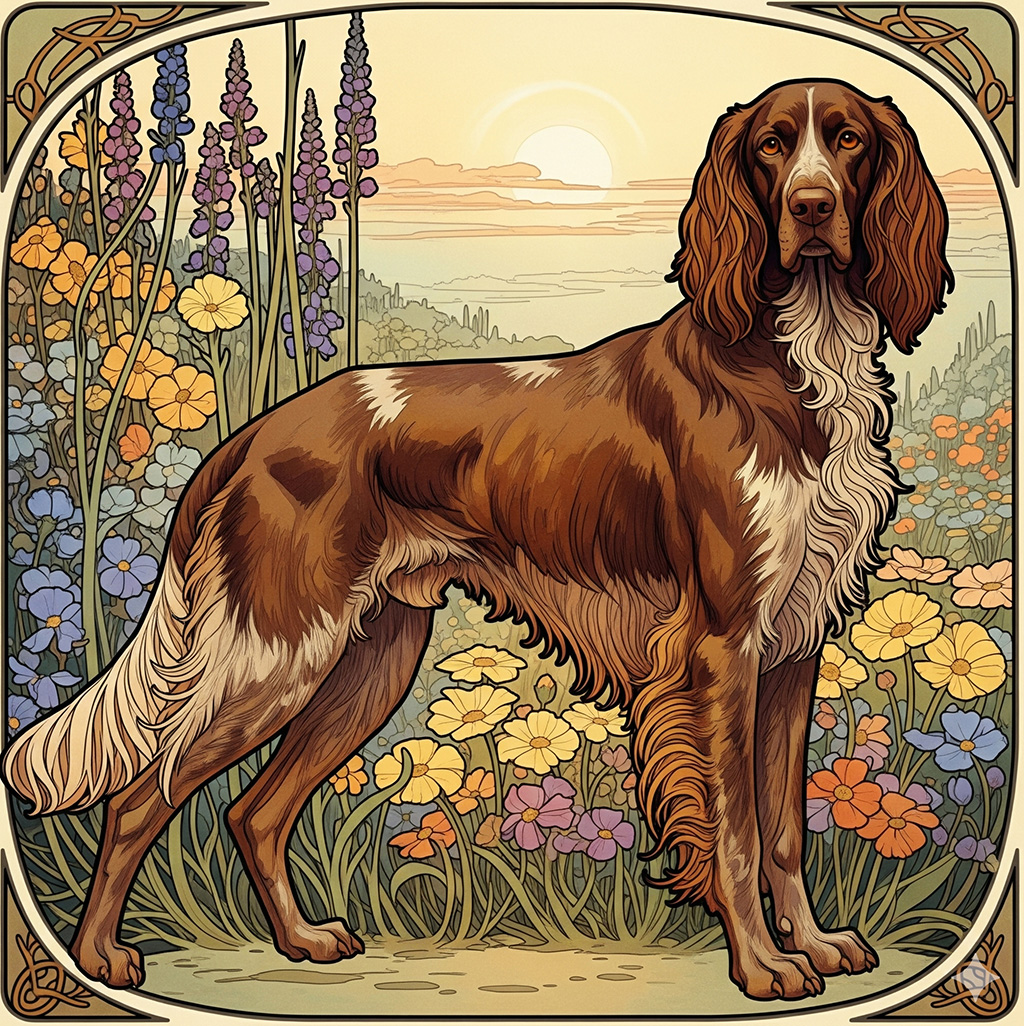
The breed standard describes the GLP as a muscular, elegant, and athletic dog, standing 23.6–27.5 inches for males and 22.8–26 inches for females, with an average weight of around 66 pounds. The coat is medium-length, about 1.2–2 inches on the body, with longer feathering on the ears, legs, and tail, and a dense undercoat for weather resistance. The coat is slightly wavy, firm, and shiny, never curly or silky, with acceptable colors including solid brown, brown-and-white, or shades of brown roan. The GLP’s conformation emphasizes strength over speed, with a harmonious, flowing build, webbed feet for swimming, and a strong nose for tracking. Temperamentally, GLPs are intelligent, friendly, and affectionate, capable of switching seamlessly from calm family companions to intense hunters. They require consistent training and ample exercise due to their high energy and strong prey drive, making them less suited for sedentary or urban lifestyles.
In the United States, the GLP’s history is closely tied to its hunting legacy, though the breed remains relatively rare compared to its shorthaired and wirehaired counterparts. Introduced to North America in the mid-20th century, the GLP gained a foothold among hunters seeking a versatile gun dog. Del Peterson, a key figure in the breed’s U.S. history, imported his first GLP in 1974 and helped establish the German Longhaired Pointer Club of North America in 1990 in Yakima, Washington. The club’s mission, supported by the North American Versatile Hunting Dog Association (NAVHDA), has been to ensure the availability of well-bred GLPs that excel in the field. Peterson’s efforts, including importing puppies from Europe and promoting rigorous testing, have bolstered the breed’s presence. GLPs in the U.S. are prized for their ability to hunt upland birds, waterfowl, and track wounded game, with their medium-length coat offering protection in cold, wet conditions, such as late-season duck hunting in the Pacific Northwest. The Deutsch Langhaar designation, reserved for dogs meeting Germany’s strict performance and health standards, underscores the breed’s hunting prowess, requiring breeding dogs to pass hunting tests, conformation evaluations, and health assessments.
While the American Kennel Club (AKC) does not fully recognize the GLP, it has been part of the Foundation Stock Service since 2010, with recognition from the United Kennel Club (UKC) since 2006 and the Fédération Cynologique Internationale (FCI) since 2011. In the U.S., GLPs are tested through systems like NAVHDA and the Versatile Hunting Dog Federation (VHDF), which evaluate their pointing, retrieving, and tracking skills. The breed’s rarity, compounded by import restrictions, has limited its numbers, but dedicated breeders and clubs continue to promote its versatility. The GLP’s legacy as a skilled hunter and loyal companion endures, making it an ideal choice for active owners committed to its physical and mental demands.
-
Rio Flufferbunny
It was fall when she came to us on a plane from New Mexico, all legs and ears and sharp puppy teeth. She pointed from the womb — butterflies, song birds, turtles, tufts of grass stirred by a breeze — nothing was safe from her glare. As our first setter, I was unsure of the…
-
Pavlov Didn’t Have Bird Dogs
I’m forced to sneak about my own property like a burglar, held captive by bird dogs trying to secure their place in the truck. Regardless whether the destination is a wild place or the tame grocery, they are not willing to wager their spot. A few short weeks ago I could announce my exit to…
-
The Fountain of Youth
The old boy doesn’t leap into the truck like he once could, but he still manages to lurch up the running boards and cross the center console. Instead of stowing him in the back for this road trip, I break the rules and let him ride shotgun. He acknowledges the exemption and quickly curls into…
-
A Labs First Day Afield
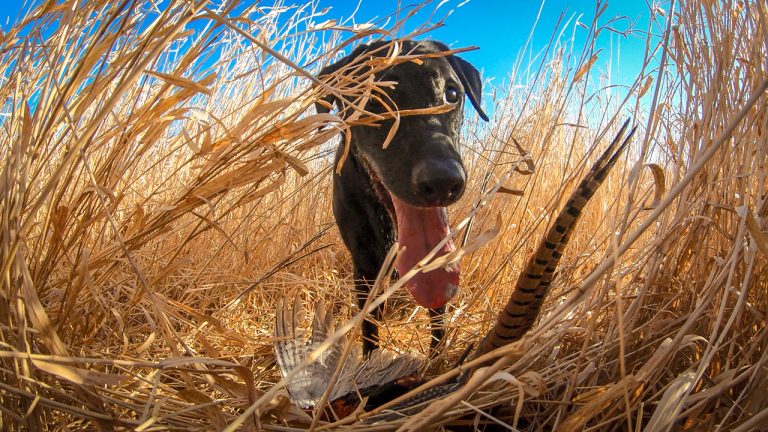
“No, I don’t think you understand, he has NO prior hunting experience…only obedience training.” I wrote to Brian, my new upland hunting buddy. The early morning email asking for my young lab and me to attend an upland hunt had caught me by surprise, putting a nice end to a long workweek. “Kali, it doesn’t…
-
Nowhere to Look
Dropped Wyatt off at the vet this morning for an exploratory procedure. I am now trying to do anything, accomplish something, will myself to the positive. I’m over-caffeinated and staged nearby awaiting the vet’s call. I can talk about the details, the minutia of his afflictions. I’ve gnashed over the could be and mights, in…
-
The Lab Knows
Wyatt knows he’s black. He also knows this is the color of night. He’s been able to surmise that humans have terrible night vision. During daylight hours when we take breaks from hunting, he plots. He knows most mischief will not fly in the light of day. Raiding other camps, gnawing a nearby rotting deer…