Wyoming Bird Hunting
Seasons Span September 1 – January 31, 2027

State Drought Monitor – Upland hunting conditions are often highly dependent upon moisture for both habitat production and bird survival.
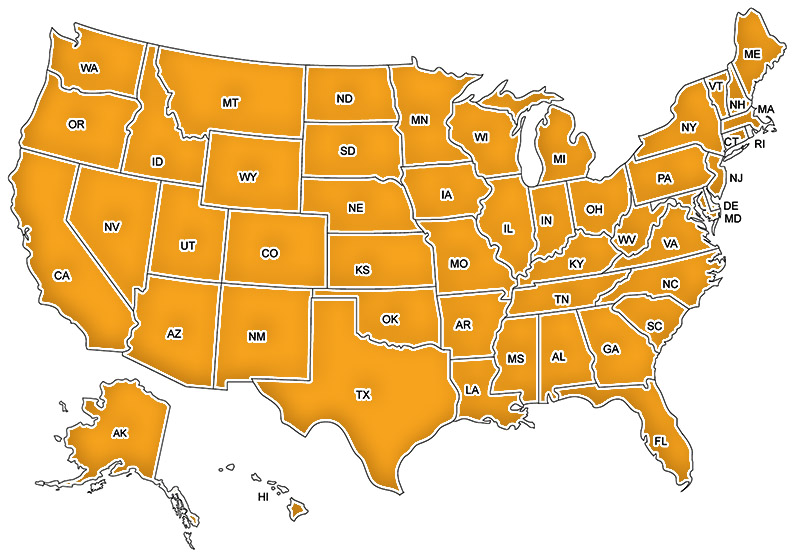
Wyoming Upland Game Bird Hunting Overview
State DNR & Licensing Information
Upland game bird hunting in Wyoming is administered by the Wyoming Game and Fish Department (WGFD). Wyoming’s 2026 Chapter 11 establishes the upland seasons, bag limits and hunt-area restrictions. (Wyoming Game and Fish Department)
License Requirements & Fees
- Resident Game Bird License: $16
- Nonresident Game Bird License: $73
- Sage-Grouse Permit: Free; required in addition to a game-bird license
- HIP Permit: Required for migratory game birds including dove and snipe
- Pheasant Management Permit: Required in designated areas where specified by regulation. (Wyoming Game and Fish Department)
Season Dates & Bag Limits — 2026–2027
Greater Sage-Grouse
- Season: September 19–30, 2026, in designated hunt areas
- Daily Limit: 2
- Possession Limit: 4
- Permit: Free sage-grouse permit required
- Hunt areas are highly restricted and vary by year. (Wyoming Game and Fish Department)
Blue (Dusky) Grouse
- Season: September 1 – December 31, 2026
- Daily Limit: 3
- Possession Limit: 9
Ruffed Grouse
- Season: September 1 – December 31, 2026
- Daily Limit: 3
- Possession Limit: 9
Sharp-Tailed Grouse
- Season: September 1 – December 31, 2026
- Daily Limit: 3
- Possession Limit: 9
- Restriction: Open only in designated eastern Wyoming hunt areas.
Chukar Partridge
- Season: September 15, 2026 – January 31, 2027
- Daily Limit: 5
- Possession Limit: 15
Gray (Hungarian) Partridge
- Season: September 15, 2026 – January 31, 2027
- Daily Limit: 5
- Possession Limit: 15
Ring-Necked Pheasant
- Season: Generally November 1 – December 31, 2026, with different dates and restrictions by hunt area.
- Daily Limit: Generally 3 roosters
- Possession Limit: Generally 9
- Special seasons: Springer and Glendo have separate permit/area regulations. (Wyoming Game and Fish Department)
Mourning Dove
- Season: September 1 – November 29, 2026
- Daily Limit: 15
- Possession Limit: 45
Weather Assessment & Bird Hunting Outlook
Survey Methodology
Wyoming has some of the strongest biological monitoring available for western upland birds, particularly sage-grouse. WGFD monitors roughly 90% of occupied sage-grouse leks and has more than 1,700 known occupied leks in the state. The department also incorporates harvest information, population monitoring and habitat evaluations into its annual upland regulations. (Wyoming Game and Fish Department)
For this forecast I weighted:
- WGFD lek and population data;
- Winter snow and temperature;
- Spring precipitation and runoff;
- Summer precipitation and drought;
- NOAA climate data;
- U.S. Drought Monitor conditions;
- Habitat and wildfire impacts.
Weather Impact & Habitat Conditions
- Winter 2025–26 — NEGATIVE: Wyoming entered spring with significant moisture deficits and poor water availability.
- Spring 2026 — POOR: The state’s precipitation deficit became substantial during the critical nesting period.
- January–June 2026 — VERY POOR: Wyoming experienced its 4th-driest January–June period since 1895, receiving only 5.94 inches of precipitation—3.16 inches below normal. (Drought.gov)
- June — POOR: June ranked 25th driest on record, with precipitation 0.79 inches below normal. (Drought.gov)
- Current drought — VERY SEVERE: Approximately 99.7% of Wyoming is currently in D1–D4 drought, including about 45% in extreme drought (D3). (Drought.gov)
- Wildfire impact: WGFD has already closed the Kirby Creek HMA to upland hunting for 2026–27 because of the combination of the 2025 Red Canyon wildfire and drought conditions. (Wyoming Game and Fish Department)
This is therefore one of the clearest negative weather setups in the western states we’ve evaluated.
2026–27 Population Outlook
Greater Sage-Grouse — FAIR
This species is the important exception to Wyoming’s otherwise poor weather picture.
The 2025 lek survey recorded 31,123 males, with average peak attendance of 31 males per active lek, an 11% increase over 2024. WGFD attributed part of the improvement to natural population cycles and favorable moisture during 2025. (Wyoming Game and Fish Department)
However, that increase occurred before the exceptionally dry 2026 growing season. The current drought is a major concern for chick survival and sagebrush/forb production.
Forecast: FAIR, but with considerable regional variation.
Sharp-Tailed Grouse — POOR–FAIR
Sharp-tails depend heavily on grassland and agricultural habitat in eastern Wyoming. The extreme moisture deficit is unfavorable for nesting cover and brood-rearing insects.
Forecast: POOR–FAIR.
Blue (Dusky) Grouse — FAIR–POOR
Higher elevations provide some climatic refuge, but low snowpack and severe summer moisture deficits reduce forage and insect availability.
The best birds should be found at higher elevations where moisture persists.
Forecast: FAIR–POOR.
Ruffed Grouse — POOR–FAIR
Wyoming’s ruffed grouse population is localized and habitat-specific. Dry conditions are unfavorable, although forested mountain environments can buffer some of the statewide drought signal.
Forecast: POOR–FAIR.
Chukar Partridge — POOR
Chukar are particularly vulnerable to poor spring moisture because brood survival depends heavily on green vegetation and insects.
Wyoming’s 2026 precipitation deficit is a major negative.
Forecast: POOR.
Gray Partridge — POOR
Agricultural and grassland habitat has been hit by the same moisture deficit affecting sharp-tails. Dry nesting cover and reduced insect production are significant concerns.
Forecast: POOR.
Ring-Necked Pheasant — POOR–FAIR
Wild pheasant production is likely to be below average in drought-affected eastern agricultural country. Stocking and irrigated habitat provide some insulation.
The Springer and other managed opportunities can therefore be considerably better than the statewide wild-bird forecast suggests.
Forecast: POOR–FAIR.
Mourning Dove — FAIR
Doves are relatively resilient, and agricultural areas, irrigated fields and reliable water can compensate for some drought effects.
Forecast: FAIR.
Wilson’s Snipe — POOR–FAIR
The drought has reduced wetland and wet-meadow habitat. Permanent wetlands and irrigated agricultural areas should provide the best opportunities.
Forecast: POOR–FAIR.
Overall Wyoming Outlook: POOR–FAIR
Wyoming deserves a strong downward adjustment from a generic western upland forecast.
The most important fact is that 99.7% of the state is currently classified in D1–D4 drought, and January–June was the 4th-driest such period in 131 years of records. (Drought.gov)
That is occurring after the winter/spring moisture period that drives grassland, sagebrush and brood-rearing habitat. This is not simply a matter of looking at today’s drought map—the accumulated moisture deficit is what matters.
The major counterpoint is sage-grouse. Their 2025 population indicators improved substantially, with lek attendance up 11%. But those data describe the population entering 2026; they don’t erase the biological consequences of an exceptionally dry 2026 breeding season. (Wyoming Game and Fish Department)
Best 2026 Bets
Sage-Grouse: Designated hunt areas with the strongest remaining sagebrush habitat and localized moisture.
Blue Grouse: Higher-elevation forest where summer moisture and green forage persist.
Sharp-Tails: Northeastern agricultural/grassland areas that received localized precipitation.
Pheasant: Irrigated agricultural ground and managed/stocked properties.
Chukar: Steep terrain with reliable springs, seeps or localized summer moisture.
Dove: Irrigated agricultural fields and permanent water.
Forecast Confidence: High
The weather assessment is high-confidence. The precipitation deficit, drought severity and historical ranking all point strongly in the same direction. (Drought.gov)
The biological forecast is somewhat less certain because the most important 2026 brood-production information is not yet fully available.
Bottom line: Wyoming is a POOR–FAIR upland bird state for 2026, and I would not rely on a generic WGFD hunting forecast to describe it as a normal year. The drought is severe enough to materially affect brood production across much of the state. Sage-grouse enter the season with a strong 2025 population signal, but the 2026 weather is a significant setback. Chukar, gray partridge and sharp-tailed grouse are the species I’d be most cautious about. (Wyoming Game and Fish Department)
For the most up-to-date details, visit the Wyoming Game and Fish Department website (wgfd.wyo.gov) or refer to the 2025 Upland Game Bird and Small Game Hunting Seasons regulation brochure.
-
The Art of Posing with Dead Birds
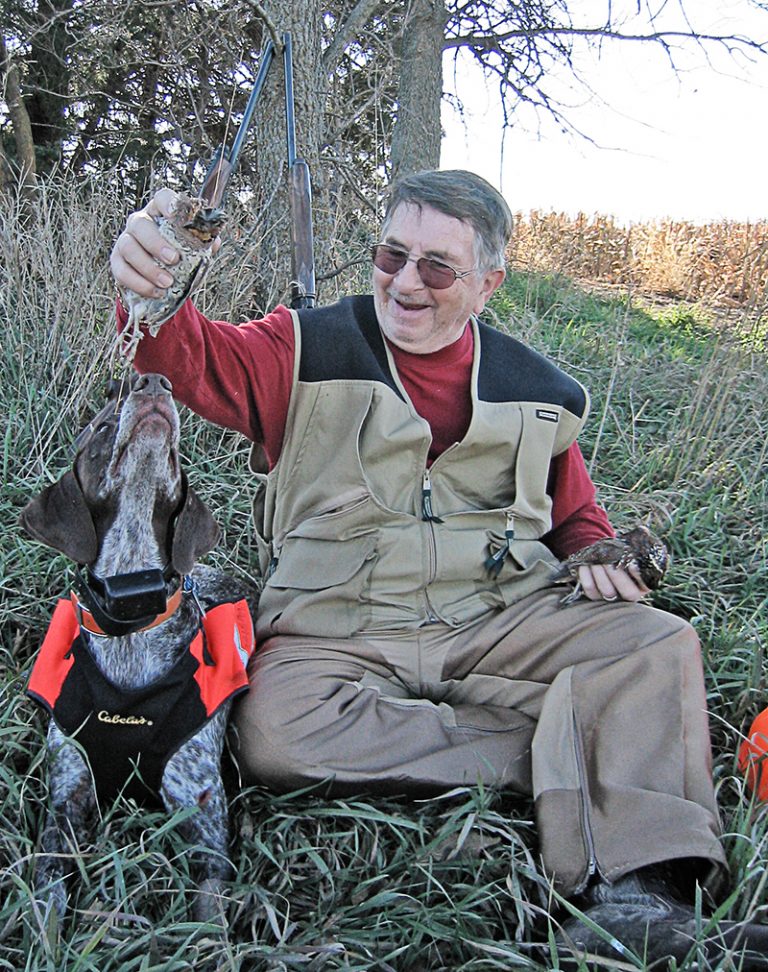
Post-hunt photos can reveal a lot about a bird hunter. Now that everyone carries smartphones with cameras and are posting picts in real-time from the field, I thought it would be a great opportunity to give uplanders a few tips to appear more competent in front of the lens. First off you’ve shot the bird,…
-
The Top 3 Wild Pheasant Hunting Tips
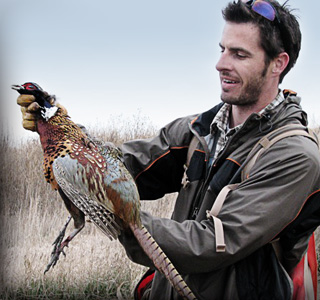
There are tons of variables involved when pheasant hunting: weather, dogs, number of hunters, blockers, terrain, time of day….. the list is almost endless. But regardless of these elements, there are 3 things you can always use that will improve your success against the wily wild rooster. The bird hunters’ opening day is also most…
-
Sitka Scouting Shirt
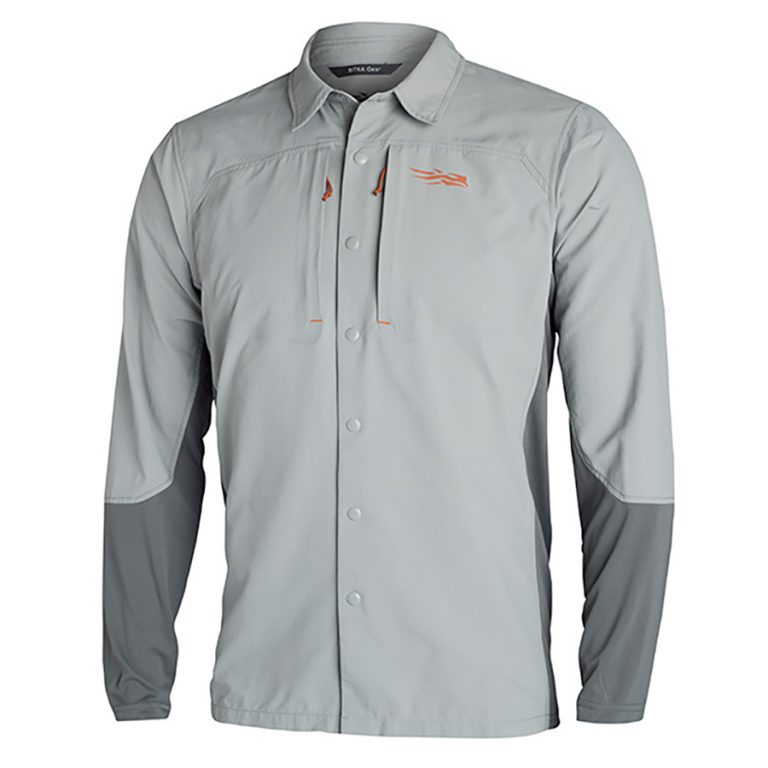
I like a collared shirt when I’m upland hunting, makes me feel official, like I’m headed afield to do work. The soft nylon body of the Sitka Scouting Shirt lets the shotgun swing freely and stays breathable whether out busting summer clays or trekking through the heat of the early season. The weave of the…
-
Open Letter to Governor John Kasich
Governor Kasich: Ohio’s wildlife and wild spaces are no place for power-brokering or politics. Despite over 30 conservation and sporting organizations and five retired Ohio Division of Wildlife chiefs calling for modest price increases in Ohio hunting and fishing licenses, the Ohio Division of Natural Resources Director James Zehringer, Assistant Directors Fred Shemp and Gary…
-
-
Linguine and Pheasant Sauce
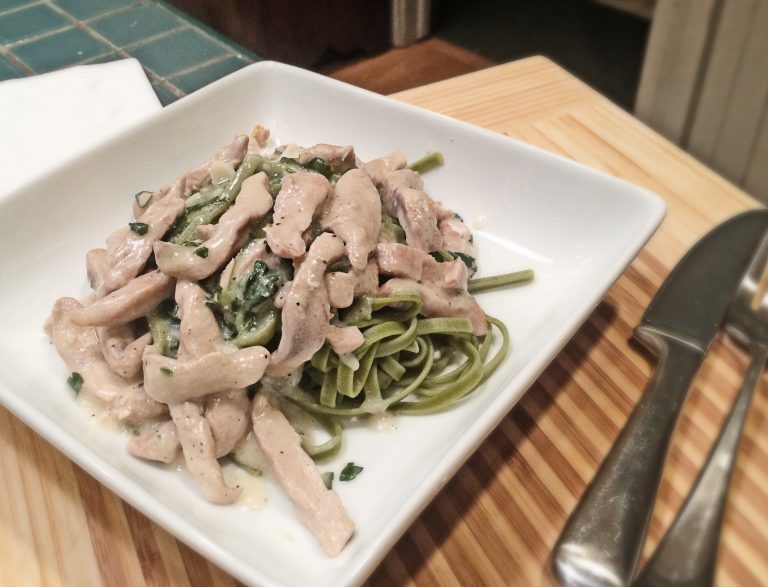
I tend to just make up recipes, don’t measure out ingredients and promptly forget not long after eating exactly how something came together. So before I forget, here’s a quick and easy pheasant pasta that we cooked up on a whim. Total prep time was around 30 minutes. Ingredients: 4 pheasant breasts (or combination breasts…