West Virginia Bird Hunting
Seasons Span October 17 – February 28, 2027

State Drought Monitor – Upland hunting conditions are often highly dependent upon moisture for both habitat production and bird survival.
West Virginia Upland Game Bird Hunting Overview
State DNR & Licensing Information
Upland game bird hunting in West Virginia is administered by the West Virginia Division of Natural Resources (WVDNR).
License Requirements & Fees
- Resident Annual Hunting License: $19
- Nonresident Annual Hunting License: $119
- Resident Sportsman License: $33
- Nonresident Small Game License: $57
- Migratory Bird HIP Registration: Required for woodcock, snipe, dove and rails.
- Additional stamps/permits may apply depending on license type and species.
Season Dates & Bag Limits — 2026–2027
Ruffed Grouse
- Season: October 17, 2026 – February 28, 2027
- Daily Limit: 4
- Possession Limit: 16
Bobwhite Quail
- Season: November 7, 2026 – January 2, 2027
- Daily Limit: 3
- Possession Limit: 9
- Note: Closed on Tomblin WMA.
Ring-Necked Pheasant
- Statewide: November 7, 2026 – January 2, 2027
- Daily Limit: 2 cock birds
- Possession Limit: 2
- Hillcrest WMA: November 14 – December 5, 2026; daily limit 1 cock.
American Woodcock
- First Segment: October 17 – November 21, 2026
- Second Segment: November 30 – December 8, 2026
- Daily Limit: 3
- Possession Limit: 9
Mourning Dove
- First Segment: September 1 – October 11, 2026
- Second Segment: November 2 – November 15, 2026
- Third Segment: December 7, 2026 – January 10, 2027
- Daily Limit: 15
- Possession Limit: 45
WVDNR released the 2026–27 regulations in June and subsequently finalized the migratory bird dates in July. (WVDNR)
Weather Assessment & Bird Hunting Outlook
Survey Methodology
West Virginia does not currently have a strong statewide annual grouse population survey. WVDNR discontinued its Grouse Hunter Cooperator Survey after the 2024–25 season because of extremely low participation. Its 2025 mast survey and other wildlife surveys provide supporting biological information. (WVDNR)
For this forecast, I therefore weighted:
- WVDNR grouse and mast information;
- winter severity and snow conditions;
- spring precipitation and temperatures;
- summer moisture;
- NOAA climate data;
- U.S. Drought Monitor conditions;
- long-term habitat trends.
Weather Impact & Habitat Conditions
- Winter 2025–26 — MIXED: The Northeast had its coldest winter since 2014–15, with prolonged snow cover. West Virginia also experienced below-normal precipitation during portions of the winter, with drought developing in parts of the state. (Drought.gov)
- Spring 2026 — NEGATIVE/MIXED: Moisture deficits persisted into spring in portions of the state, particularly eastern West Virginia.
- Summer 2026 — MIXED: West Virginia’s January–June precipitation ranked 30th driest since 1895, 2.82 inches below normal. June, however, was the state’s 49th-wettest June, providing some late-season moisture recovery. (Drought.gov)
- Current drought: Drought remains present but has improved substantially in recent weeks. (Drought.gov)
Overall, this is not an ideal moisture year, but neither is it a severe statewide drought year.
2026–27 Population Outlook
Ruffed Grouse — FAIR
WVDNR’s most recent biological assessment found abundant hard mast and specifically noted that grouse harvest was expected to be similar to the previous year. Young forest remains the critical habitat component. (WVDNR)
The cold winter may have increased energetic stress, while the dry first half of 2026 is unfavorable for brood-rearing. However, June rainfall provided some improvement.
Best prospects: Young forest, recent timber cuts, beech and chestnut-oak areas.
Forecast: FAIR.
Bobwhite Quail — POOR
West Virginia’s bobwhite population is extremely limited compared with historical levels. Habitat availability is the primary constraint, and the 2026 dry period does not provide a strong reason to expect significant improvement.
Forecast: POOR.
Ring-Necked Pheasant — FAIR
Wild pheasant numbers are limited, but the statewide cock-bird season and Hillcrest WMA provide opportunities. Weather is less important here than habitat and localized bird availability.
Forecast: FAIR, with the best prospects on managed agricultural ground and Hillcrest WMA.
American Woodcock — FAIR–GOOD
The dry first half of 2026 is a negative for soil moisture and earthworm availability, but late-summer moisture recovery and the migratory nature of woodcock reduce the importance of statewide summer conditions.
Forecast: FAIR–GOOD, particularly following favorable fall migration weather.
Wilson’s Snipe — FAIR
Dry conditions have reduced some ephemeral wetland habitat, but permanent wetlands, wet meadows and agricultural areas should remain productive.
Forecast: FAIR.
Mourning Dove — FAIR
Doves are relatively resilient to the weather pattern. Agricultural fields and areas with reliable water should provide the best opportunities.
Forecast: FAIR.
Sora & Virginia Rails — FAIR–POOR
The moisture deficit is a negative for shallow marshes and temporary wetlands. Permanent wetlands should offer the best opportunities.
Forecast: FAIR–POOR.
Overall West Virginia Outlook: FAIR
West Virginia looks better than the current drought statistics alone might suggest, but not as strong as a wet Appalachian year.
The biggest negative is the 2.82-inch precipitation deficit through June, which followed a relatively dry winter and spring. The positive is that June was substantially wetter than normal, and current drought conditions have begun improving. (Drought.gov)
For grouse, the biological picture is mixed. WVDNR’s most recent mast survey found abundant hard mast and expected grouse harvest to remain similar to the previous year, but the state’s long-term habitat issue—insufficient young forest—remains significant. (WVDNR)
Best 2026 Bets
Ruffed Grouse: Recent timber cuts and young forest, particularly where beech and oak mast are available.
Woodcock: Moist creek bottoms, alder and young forest; migration weather will be important.
Pheasant: Hillcrest WMA and managed agricultural habitat.
Snipe: Permanent wetlands and wet agricultural ground.
Dove: Agricultural fields near reliable water.
Forecast Confidence: Moderate
The climate assessment is relatively strong, but the grouse population assessment has lower confidence because WVDNR discontinued its dedicated hunter-cooperator survey. (WVDNR)
Bottom line: West Virginia looks like a FAIR upland bird year. Ruffed grouse remain the state’s principal wild upland opportunity, but habitat—not just weather—is limiting. Woodcock may actually offer the most upside if fall migration conditions are favorable. Bobwhite remains a very limited opportunity, while pheasant prospects are concentrated on managed properties. (WVDNR)
-
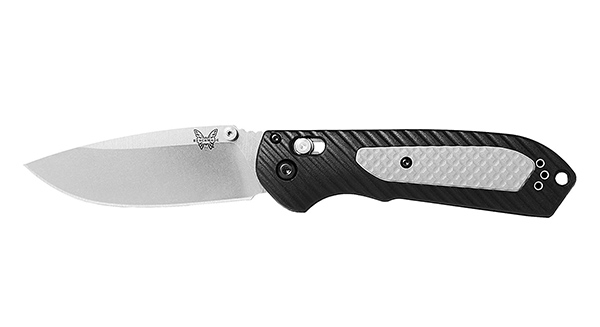
Benchmade 560 Freek
We’re perennial fans of Benchmade knives: high-quality, edge retention, one handed opening, reversible clips on most models. What’s not to like? But here’s what makes the Freek stand out: it’s crazy lightweight. Benchmade has found a way to replace some of the metal components with space-age materials that don’t compromise quality. Unlike other Benchmade models,…
-
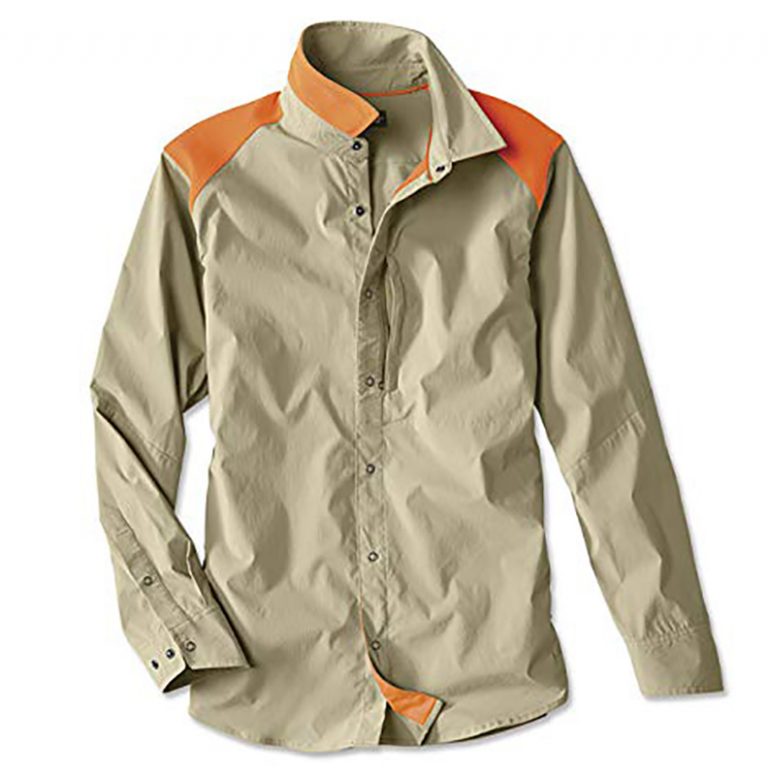
Orvis Pro LT Hunting Shirt
Details. This shirt, along with most of the latest Orvis upland apparel, is all about the details. Stretch fabric, articulated elbows, fast drying with Polygiene treatment for odor control let you wear it on hot, multi-day treks, look great and not smell like garbage. Everything is low-profile, from snaps to pockets, so there is nothing…
-
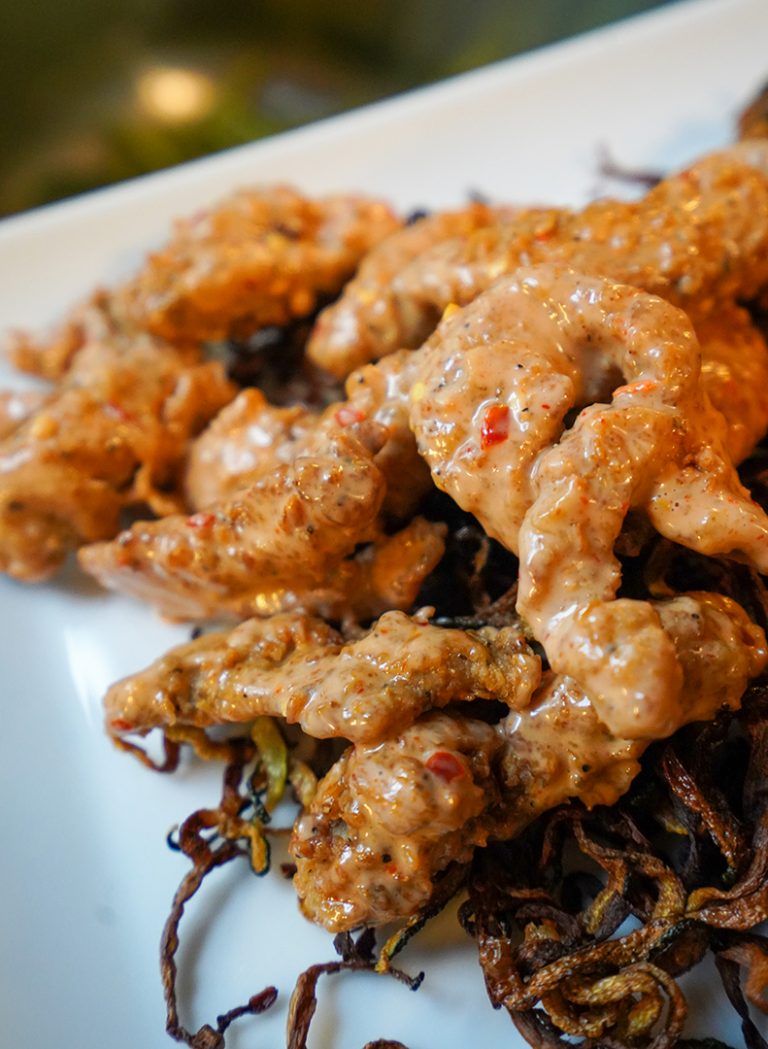
Bang Bang Pheasant
Went out to eat a few weeks ago and ended up sharing a Bang Bang Shrimp appetizer. Jotted a quick note in my phone that this would be a great adaptation for game birds – and honestly, the name is just too fitting. I already knew the basics of Bang Bang sauce, but decided to kick…
-
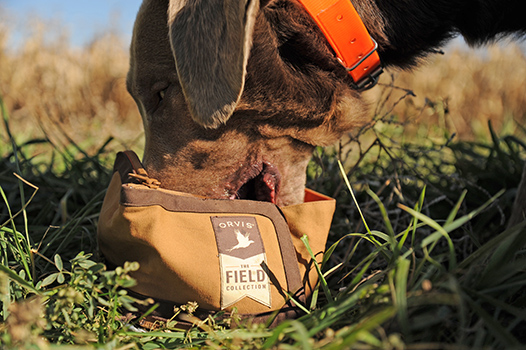
Orvis’s Field Collection Travel Bowl
I was about to hit the road for a three week road trip with my dog, Lincoln, and I was trying to travel as light as possible. Dog bowls can be bulky and take up too much space—that’s why I discovered Orvis’s Field Collection Travel Bowl ($29). Made of a cotton with a waterproof liner, the…
-
Birdhunter Battle of the Sexes
The gentle ribbing which started in the North Woods over Ruffed Grouse and Woodcock shooting in October extended through the ensuing months with Britney Starr. The taunting spilled over into 2013 and so we decided it’s time to put up or shut up. This week at SHOT show we will be putting the feud to…
-
Marsupial Gear Upland Bird Vest
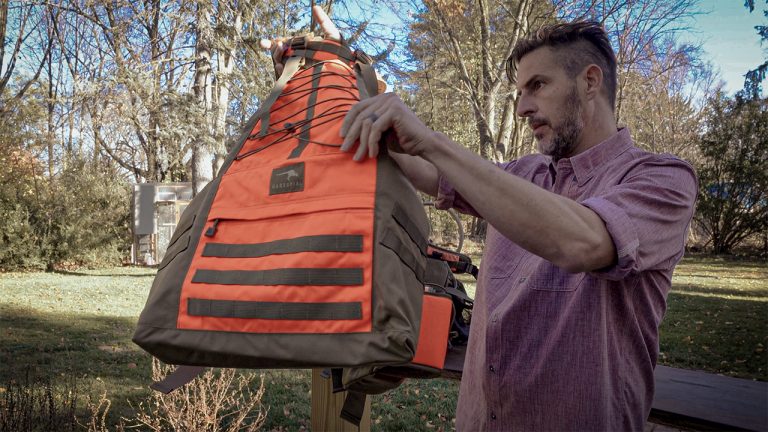
As the wear and tear adds up on our current vest, which we’ve used pretty much exclusively afield for 7 years, it’s time to start assessing options as a replacement. This Marsupial vest is American made from a small company headquartered in Arizona. See what this vest looks like when it’s loaded with the gear…