Rhode Island Bird Hunting
Seasons Span October 17 – February 28. 2027

State Drought Monitor – Upland hunting conditions are often highly dependent upon moisture for both habitat production and bird survival.
Rhode Island Upland Game Bird Hunting Overview
State DNR & Licensing Information
Upland game bird hunting in Rhode Island is administered by the Rhode Island Department of Environmental Management (RIDEM), Division of Fish & Wildlife.
License Requirements & Fees
- Resident Annual Hunting License: $21 online
- Nonresident Annual Hunting License: $55 online
- Nonresident 3-Day Hunting License: $20 online
- Game Bird Permit: Required for bobwhite quail and ring-necked pheasant.
- HIP Permit: Free and required for migratory game birds, including woodcock, snipe, rails and doves.
- Vendor purchases carry additional enhanced-access fees. Current fee information is maintained by RIDEM. (RIDEM)
Season Dates & Bag Limits — 2026–2027
Bobwhite Quail
- Season: October 17, 2026 – February 28, 2027
- Daily Limit: 3
- Game Bird Permit: Required. (Rhode Island Department of State)
Ring-Necked Pheasant
- Youth Season: October 10–12, 2026
- Regular Season: October 17, 2026 – February 28, 2027
- Daily Limit: 2
- Game Bird Permit: Required.
- Block Island: November 18 & 25; December 2 & 16; January 6. Two male pheasants daily. (Rhode Island Department of State)
Ruffed Grouse
- Season: Closed statewide. (Rhode Island Department of State)
American Woodcock
- Season: October 17 – November 30, 2026
- Daily Limit: 3
- HIP: Required. (Rhode Island Department of State)
Mourning Dove
- First Segment: September 1–30, 2026
- Second Segment: October 17 – December 15, 2026
- Daily Limit: 15, mourning and Eurasian collared-doves combined
- HIP: Required. (Rhode Island Department of State)
Weather Assessment & Bird Hunting Outlook
Survey Methodology
Rhode Island is an unusual upland-bird state because its principal pheasant opportunity is stocking-dependent, while the native/migratory species have much smaller populations. RIDEM’s most recent pheasant report provides useful hunter-survey data: 1,645 Game Bird Permits were sold in 2025–26, with an estimated 1,255 pheasant hunters. Hunters averaged five pheasants each.
For the forecast, I am weighting those state biological/hunter data against independent NOAA/NCEI and U.S. Drought Monitor climate information, with particular attention to winter severity, spring nesting conditions, summer brood-rearing weather and fall migration conditions.
Weather Impact & Habitat Conditions
Winter 2025–26 — MIXED:
Rhode Island experienced a notably snowy February, including Providence’s largest recorded snowstorm. (NCEI)
That produced a period of significant winter stress, particularly for resident birds. However, there is no indication that Rhode Island experienced a prolonged winter mortality event sufficient to drive a major population collapse.
Spring 2026 — FAVORABLE:
The Northeast as a whole received 104% of normal spring precipitation, ranking the region in the wetter third of its historical record. Spring temperatures were approximately 2.3°F above normal. (Drought.gov)
That combination—adequate moisture and relatively warm temperatures—was generally favorable for vegetation growth and insect production during nesting and early brood-rearing.
Summer 2026 — STRONGLY NEGATIVE:
The picture changed substantially.
Rhode Island’s January–June 2026 precipitation ranked seventh-driest on record, at only 17.17 inches—5.25 inches below normal. June alone ranked 48th driest, with 2.32 inches, one inch below normal. (Drought.gov)
This is important. The favorable spring did not carry through the summer. By late July, the entire state was experiencing drought impacts, meaning reduced soil moisture and vegetation stress were increasingly affecting brood-rearing habitat.
2026–27 Population Outlook
- Ring-Necked Pheasant — GOOD: Rhode Island’s pheasant outlook is less dependent on wild reproduction than almost any other state.RIDEM plans approximately 6,220 pheasants across nine management areas for 2026–27, with Arcadia receiving the largest allocation at 1,590 birds. Most major locations will be stocked twice weekly.The important caveat is that these are stocked birds. RIDEM reports that no wild pheasants remain on mainland Rhode Island; the only remaining wild population is on Block Island.Therefore, weather primarily affects cover, bird behavior and survival after release—not overall population production.Forecast: GOOD, particularly immediately following stocking.
- Bobwhite Quail — POOR: Rhode Island should not be viewed as a wild bobwhite destination.Bobwhite remains legally huntable, but the state’s broader habitat assessment identifies loss of early-successional farmland and grassland as a major problem for both bobwhite and other upland species. The available Rhode Island hunter data also show only a very small bobwhite harvest relative to pheasant. (RIDEM)The wet spring was helpful, but the severe summer moisture deficit is a negative for brood survival.Forecast: POOR, with opportunities primarily associated with private or artificially propagated birds rather than a strong wild population.
- Ruffed Grouse — CLOSED: There is no legal ruffed grouse season in Rhode Island. (Rhode Island Department of State)The species does benefit from young-forest habitat, which RIDEM identifies as increasingly scarce and important to multiple wildlife species, but that does not translate into a huntable population. (RIDEM)
- American Woodcock — FAIR: Woodcock are Rhode Island’s most interesting genuinely wild upland-game-bird opportunity.RIDEM identifies young forest as critical woodcock habitat and is actively conducting research and habitat work around the species. (RIDEM)The wet spring was favorable, but the severe summer drought is a negative for local habitat and earthworm/invertebrate availability. More importantly, the fall flight will be determined substantially by breeding-season conditions farther north and by October–November weather fronts.Forecast: FAIR, with potential for brief GOOD periods when migration fronts push birds through.
- Wilson’s Snipe — FAIR–POOR: The summer drought is a more direct problem for snipe because they depend on wet soils, marshes and saturated field edges.The state’s dry June and substantial year-to-date precipitation deficit suggest fewer naturally productive wet spots. Permanent wetlands, springs and managed marshes should outperform the broader landscape.Forecast: FAIR–POOR, highly localized.
- Mourning Dove — FAIR: The species is widespread and relatively resilient, but the summer moisture deficit can reduce seed-producing vegetation in some agricultural and field habitats.The biggest variable will be availability of harvested grain, sunflower and other food sources rather than statewide bird abundance.Forecast: FAIR.
Overall Rhode Island Outlook: FAIR.
Rhode Island is a state where the distinction between “upland hunting opportunity” and “wild upland-bird population” is especially important.
The state offers a legitimate pheasant hunt, but it is overwhelmingly a stocked-bird program. RIDEM’s 2026–27 plan calls for more than 6,000 stocked pheasants, while the agency explicitly states that mainland wild pheasants are gone.
The native-bird picture is considerably weaker. Bobwhite is scarce, ruffed grouse is closed, and woodcock is the most meaningful wild upland opportunity.
Weather was mixed overall: a relatively favorable spring was followed by a remarkably dry summer. Rhode Island’s January–June precipitation ranked seventh-driest in the historical record, which is significant enough that I would expect some reduction in brood-rearing success and wetland productivity. (Drought.gov)
Best 2026 Bets
Pheasant: Arcadia, Carolina, Great Swamp and other RIDEM stocking areas, particularly immediately following stocking.
Woodcock: Young forest, alder and wet bottomland habitat, especially in southern Rhode Island; watch for October migration fronts.
Bobwhite: Limited and localized; not a destination-quality wild-quail opportunity.
Snipe: Permanent wetlands, marsh edges and spring-fed ground that retained moisture despite the summer drought.
Dove: Agricultural fields with good seed production and grain/sunflower availability.
Forecast confidence: Moderate. The pheasant forecast is high-confidence because the state publishes its stocking plan and recent hunter survey results. The wild-bird forecast is less certain because Rhode Island has relatively little current population-count information for quail and woodcock.
**Bottom line: Rhode Island is primarily a stocked-pheasant state, with woodcock providing the best genuine wild upland opportunity. The spring weather was favorable, but the exceptionally dry first half of 2026 and dry summer conditions argue against a broad wild-bird boom. For a hunter planning a trip, I’d choose Rhode Island for stocked pheasant first and woodcock second—not bobwhite or grouse.
For the most up-to-date information, check official Rhode Island DEM resources or the Rhode Island Hunting and Trapping Regulations at http://www.dem.ri.gov/documents/regulations/index.php#hunting-fishing.
-
Dogtra Pathfinder Mini
One of the most prevalent upland social media threads running is, “Which e-collar and why?” I had the same question, did some research and made a choice. I went with the Dogtra Pathfinder Mini which is expandable up to 21 dogs, has a 4-mile range, includes an inundating number of stimulation and tracking adjustments, and…
-
Why America’s Hidden Birds Count
The release of the latest State of the Birds Report confirms Americans are faced with the loss of some of our most iconic game birds. The report, first produced in 2009, called attention to the dire need for conservation action, but seven years later, the number of resident game birds continues to decline and has…
-
Upland Birds Seeing Red
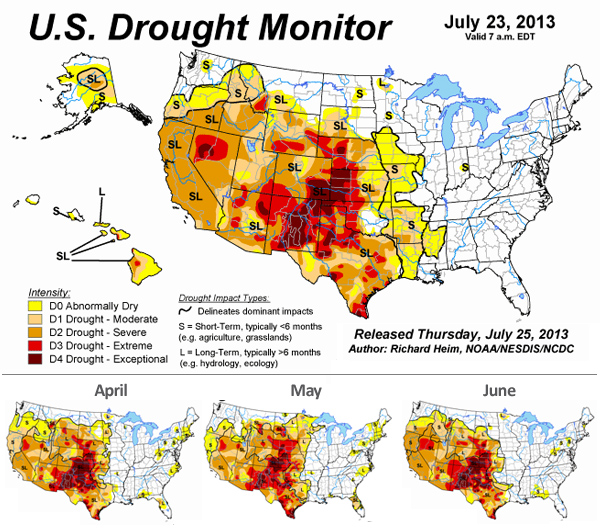
The US Drought Monitor Map gives a pretty depressing view for more than half the country. There is a distinct yellow to deep red tone painting most of the areas west of the Mississippi and south of the Oregon Trail. The Drought Monitor uses a number of factors – soil moisture, streamflow, precipitation and more…
-
Depths of Cold
There seems no bottom to the depths of cold. It’s one of the few solace for hunting in frigid condition: could be colder, windier, at least it’s not…more miserable. I’m assured by medical science that freezing does have a lower limit in terms of the human body. Paradoxical undressing: the point at which humans experiencing…
-
Beretta Windshield Sweater
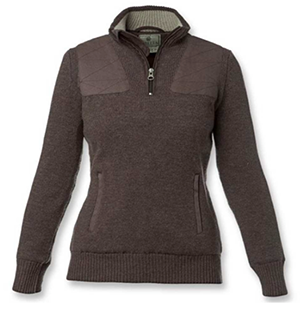
A well-constructed wool shooting sweater that keeps you warm in the field can pull double duty as an outer layer. The Beretta Windshield Sweater ($125) with its soft wool exterior and windproof liner, is an attractive mid-layer that acts as a wind block.
-
Zenbivy Light Bed – 10°
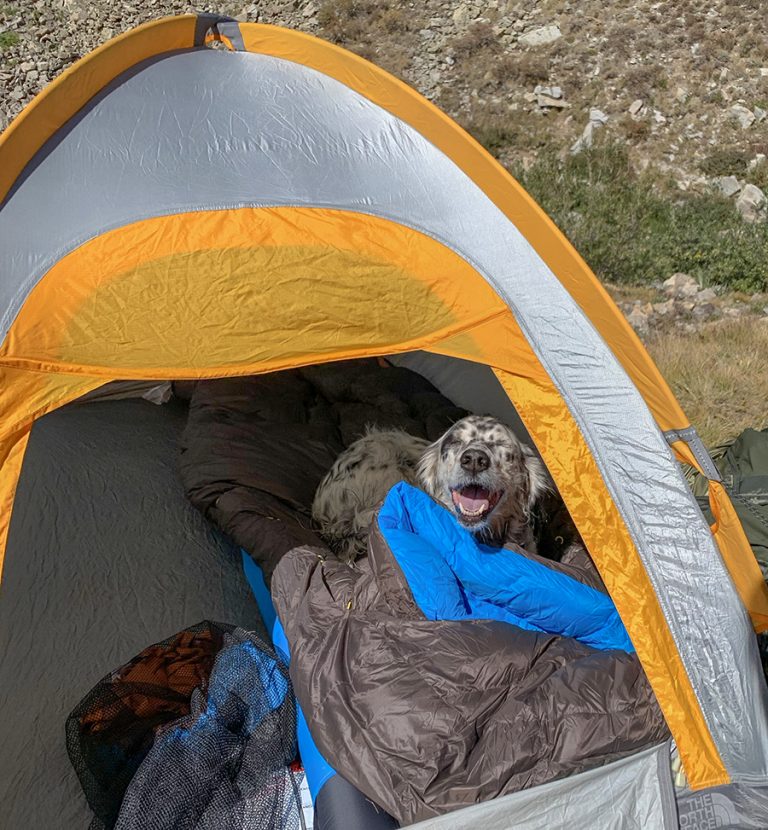
I have a difficult time sleeping in traditional sleeping bags and mummy bags are out of the question. Most mornings after a bagged night I would wake with shoulders so stiff they could barely function from holding an unnatural position all night long. When I saw that Zenbivy had redesigned the traditional “bag” from the…