Louisiana Bird Hunting
Seasons Span September 5 – February 28, 2027

State Drought Monitor – Upland hunting conditions are often highly dependent upon moisture for both habitat production and bird survival.
Louisiana Upland Game Bird Hunting Overview
State DNR & Licensing Information
Upland and migratory game bird hunting in Louisiana is administered by the Louisiana Department of Wildlife and Fisheries (LDWF).
License Requirements & Fees
- Resident Basic Hunting License: $20
- Nonresident Basic Hunting License: $200
- Nonresident 5-Day Hunting License: $65
- Nonresident Native 10-Day Hunting License: $20
- HIP Certification: Free; required for migratory game birds including dove, woodcock, rails and snipe.
- WMA Access Permit: $20 annual / $5 for five days. (Louisiana Wildlife and Fisheries)
Season Dates & Bag Limits — 2026–2027
Northern Bobwhite Quail
- Season: November 21, 2026–February 28, 2027
- Daily Limit: 10
- Possession Limit: 30 (Louisiana Wildlife and Fisheries)
Mourning & White-Winged Doves
North Zone:
- September 5–27
- October 10–November 15
- December 19–January 17
South Zone:
- September 5–20
- October 17–November 29
- December 12–January 10
- Daily Limit: 15 aggregate
- Possession Limit: 45 aggregate (Louisiana Wildlife and Fisheries)
American Woodcock
- Season: December 18–January 31
- Daily Limit: 3
- Possession Limit: 9 (Louisiana Wildlife and Fisheries)
Weather Assessment & Bird Hunting Outlook
Survey Methodology
LDWF monitors small-game populations through annual surveys and hunter harvest surveys.
- Quail: LDWF conducts late-October/early-November covey surveys and annual hunter harvest surveys.
- Dove: LDWF uses banding data to help estimate population size and establish hunting regulations.
- Harvest Data: LDWF’s 2024–25 survey estimated approximately 500 hunters pursued wild quail, with no reported wild-quail harvest, while about 25,300 pen-raised quail were harvested. (Louisiana Wildlife and Fisheries)
Weather Impact & Habitat Conditions
- Quail: Habitat is the dominant limiting factor. LDWF identifies agricultural changes and intensive pine management as major causes of long-term decline.
- Dove: Agricultural conditions, crop maturity, field management and weather fronts are the major short-term factors.
- Woodcock: Winter rainfall, soil moisture and cold fronts influence migration and concentration in suitable cover.
- Snipe/Rails: Local wetland and soil-moisture conditions strongly influence availability.
Louisiana entered summer 2026 after an unusually wet May, when the state received more than 160% of normal precipitation. June also brought above-average precipitation across portions of the South and Gulf Coast, while Louisiana recorded its second-warmest June minimum temperatures on record. (NCEI)
2026–27 Statewide Population Outlook
- Northern Bobwhite Quail — POOR: Louisiana’s long-term quail decline remains severe, with LDWF reporting approximately a 75% decline since 1966. Remaining opportunities are highly localized in quality grassland and early-successional habitat. (Louisiana Wildlife and Fisheries)
- Mourning Dove — GOOD: Louisiana supports a substantial dove harvest, with approximately 478,100 mourning doves harvested by 30,600 hunters in 2024–25. Managed agricultural fields should provide the best opportunities. (Louisiana Wildlife and Fisheries)
- American Woodcock — FAIR–GOOD: Louisiana is an important wintering area, and the combination of moist conditions and suitable bottomland/young-forest habitat can produce good localized hunting.
- Wilson’s Snipe — FAIR: Approximately 29,400 were harvested in 2024–25; prospects will depend heavily on wet-soil conditions during the winter season. (Louisiana Wildlife and Fisheries)
- Rails & Gallinules — FAIR: More specialized wetland opportunities, with localized concentrations dependent on water and vegetation conditions.
Overall Louisiana Outlook: FAIR. For a traditional upland hunter, dove is by far the strongest opportunity, while wild quail hunting is now a specialized pursuit. Woodcock and snipe provide additional winter opportunities where suitable wetland and bottomland habitat is available.
This summary covers the key upland bird species (quail and woodcock) as specified. For other migratory birds like doves or snipe, additional details are available in the LDWF regulations.
-
A Labs First Day Afield
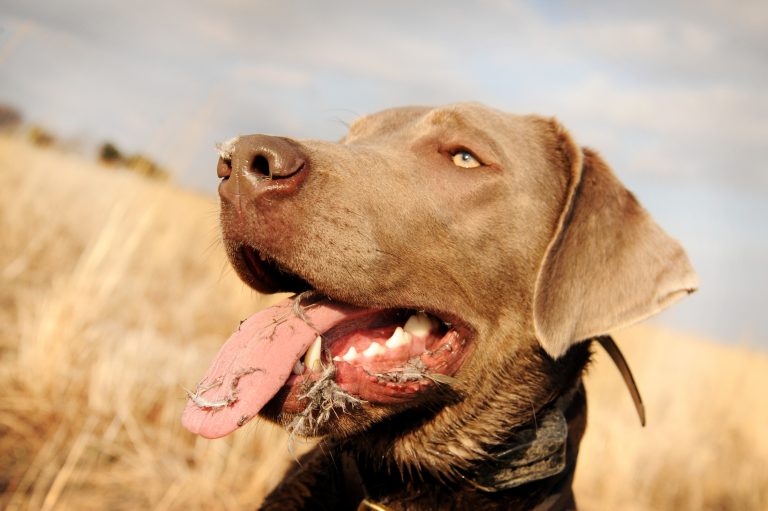
“No, I don’t think you understand, he has NO prior hunting experience…only obedience training.” I wrote to Brian, my new upland hunting buddy. The early morning email asking for my young lab and me to attend an upland hunt had caught me by surprise, putting a nice end to a long workweek. “Kali, it doesn’t…
-
Grilled Pheasant + Mojo Sauce
This spatchcocked, grilled pheasant is probably one of the more satisfying meals I have made with wild game to date. The crispy skin is full of flavor from a homemade dry rub, the meat is tender and juicy, and the citrus-garlic Mojo sauce is so delicious. Cuban Mojo Sauce This Mojo sauce has it all:…
-
Jacobsen Salt Set
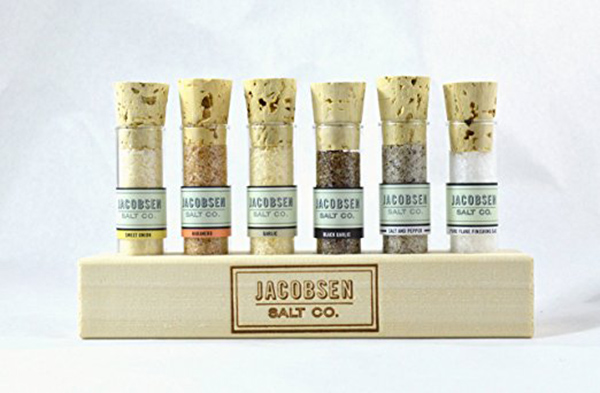
My number one tip when cooking with wild game is to give it a “dry brine.” I always sprinkle salt over the meat at least 24 hours before cooking. Salt draws out moisture which will help your meat stay tender and juicy during the cooking process. Jacobsen Salt Co. is renowned for their high quality and…
-
Benchmade 560 Freek
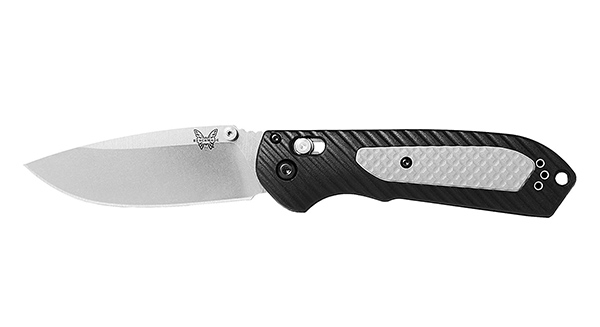
We’re perennial fans of Benchmade knives: high-quality, edge retention, one handed opening, reversible clips on most models. What’s not to like? But here’s what makes the Freek stand out: it’s crazy lightweight. Benchmade has found a way to replace some of the metal components with space-age materials that don’t compromise quality. Unlike other Benchmade models,…
-
Buffalo Phez Mac N Cheez
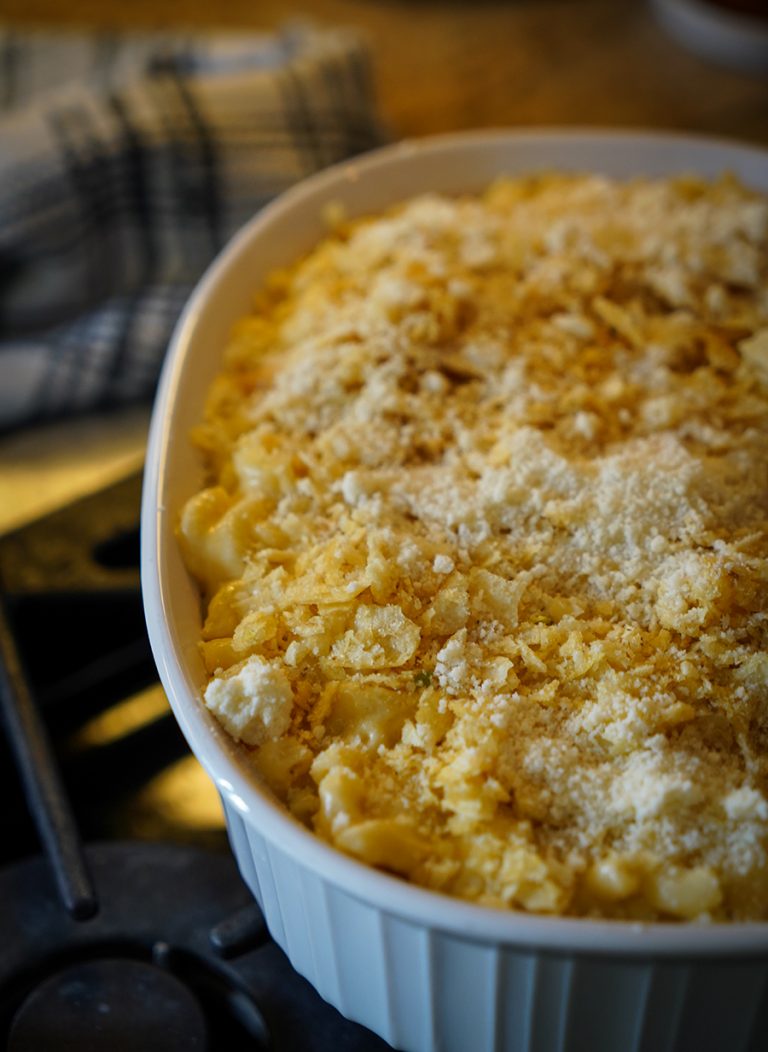
Came up with this recipe while we were hunting in the late season and pulled it together for a camp dinner. That initial round was a hit with the Kansas crew after a long, cold day afield. Hence, I jotted down a few notes and tried it again indoors. Late season roosters can be tough…
-
Way Upland Season II Episode 2
We pack up camp and head back on the trail, but water is starting to become an issue. Even though we are running dehydrated we manage to close in on some birds and Alex from APT Outdoors gets his first look at Hungarian Partridge. The Maah Daah Hey is kicking our butts — all our…