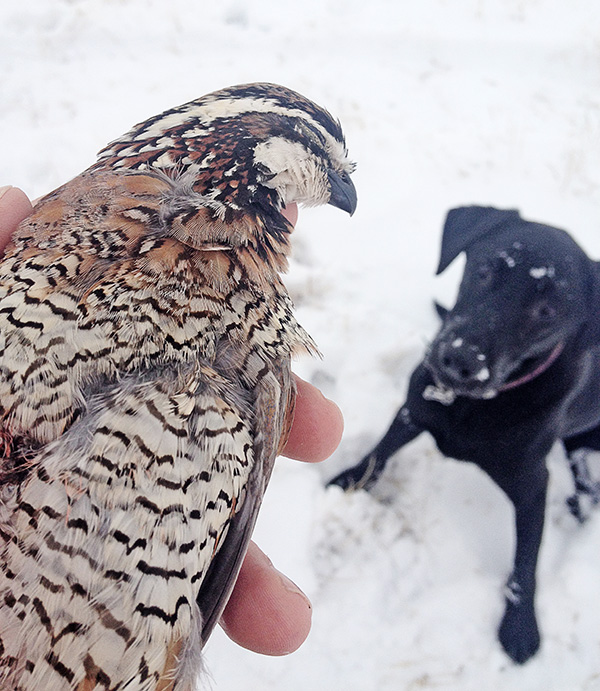
Georgia Bird Hunting
Seasons Span October 15 – February 28, 2027

State Drought Monitor – Upland hunting conditions are often highly dependent upon moisture for both habitat production and bird survival.
Official License Fees (Georgia Department of Natural Resources – Wildlife Resources Division)
- Resident:
- Annual Hunting License: $15.00
- Annual Combination Hunting & Fishing License: $30.00
- Resident Sportsman’s License (Includes all paid hunting, fishing, & WMA privileges): $65.00
- Georgia Waterfowl & Migratory Bird License (HIP required): $5.00
- Non-Resident:
- Annual Hunting License: $100.00
- 1-Day Hunting License: $20.00 (Each additional day: $6.00)
- Non-Resident Sportsman’s License: $400.00
- Georgia Waterfowl & Migratory Bird License (HIP required): $25.00
Season Dates, Daily Bag Limits & Possession Limits
Northern Bobwhite Quail
- Statewide:
- Season Dates: November 8 – February 28
- Limits: 12 daily / 24 in possession
Ruffed Grouse
- Statewide (North Georgia Mountains):
- Season Dates: October 15 – February 28
- Limits: 3 daily / 6 in possession
American Woodcock
- Statewide:
- Season Dates: December 6 – January 19
- Limits: 3 daily / 9 in possession (Georgia Waterfowl & Migratory Bird License + HIP required)
Wilson’s Snipe
- Statewide:
- Season Dates: November 15 – February 28
- Limits: 8 daily / 24 in possession (Georgia Waterfowl & Migratory Bird License + HIP required)
Mourning & White-Winged Dove
- Statewide:
- Season Dates: Split Season (September 6 – October 12; November 22 – November 30; December 18 – January 31)
- Limits: 15 daily in aggregate / 45 in possession
Rails & Gallinules (King, Clapper, Sora, Virginia, Gallinule)
- Statewide:
- Season Dates: Split Season (Mid-September – Mid-October; Mid-November – Mid-December)
- Limits: 15 daily (King & Clapper aggregate); 25 daily (Sora & Virginia aggregate); 15 daily (Gallinules) / Possession limits are 3 times the daily limit
Weather Assessment & Bird Hunting Outlook
Official evaluations from the Georgia Department of Natural Resources (Wildlife Resources Division) highlight a contrasting weather pattern heading into the fall season. Georgia experienced a severe spring drought that stretched across the Upper Coastal Plain and Piedmont, creating exceptionally dry soil conditions during the initial nesting period for wild bobwhite quail. While moisture deficits suppressed early insect hatches and vegetation growth, steady summer thunderstorm activity returned across much of central and south Georgia, replenishing brooder cover and stabilizing late-summer covey survival. Consequently, wild quail recruitment is expected to be localized, with the strongest wild coveys found on actively managed pine savannahs, fire-maintained agricultural edges, and Wildlife Management Areas (WMAs) in the Red Hills and Upper Coastal Plain. In the North Georgia mountains, ruffed grouse hunting will remain challenging, requiring hunters to target dense timber cuts and high-elevation young hardwood stands. Migratory woodcock and dove hunters should see solid opportunities as early winter cold fronts push birds into damp river corridors, managed agricultural fields, and moist bottomlands.
For the most accurate and up-to-date information, visit GeorgiaWildlife.com or GoOutdoorsGeorgia.com before planning your hunt.
-
Inroads
We’ve been coming to this area of the grain belt for over 20 years. It took the locals at least seven of those to warm beyond a passing nod or the requisite finger waive to oncoming trucks. We now know many by name though most likely still recognize us only as familiar faces. Every year…
-
The Quail Hunter’s Lost Code
There’s a small, back corner on a piece of public land in Kansas that my dad and I have hunted for 10 years. It’s a good walk, probably a mile and a half each way. We are always drawn to the corner because every year there is a covey of Bobwhite in this tiny, scrubby…
-
Embrace the Hunting Curve
I kicked off this season hunting the entire month of September without ever pulling the trigger—for birds, not for big game, not for a once-in-a-lifetime tag draw. I never even came close. True, the Himalayan Snowcock might be the most challenging hunt in the country. This was my second attempt at those demons and I…
-
Backyard Bobwhite: Part 1
Is the key to restoring quail right out your back door? I grew up in small farming community in rural Northeast Ohio. It’s not considered an upland bird hot spot. But I still remember seeing wild quail when I was a kid. And I’ve verified this with others from the area. Bobwhite used to inhabit…
-
3000 Miles for One Bird
The sun is dipping into the horizon and the thermometer reads 19° when the dogs and I return to the truck after hunting the final day of upland season in Kansas. A quick check of the fitness band reveals I’ve hiked over 12 miles in eight inches of new snowfall. The dogs never stopped hunting…