Snowcock
Also Goes By: Snowhen, Impossibird, Giant Death Chukar

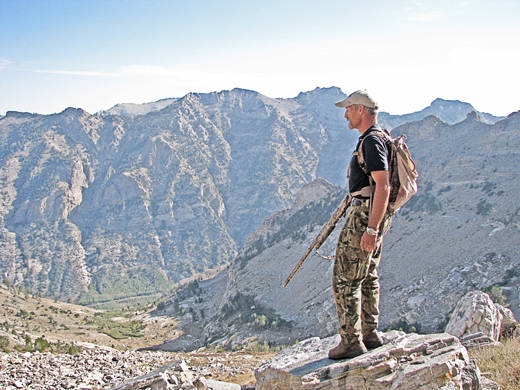
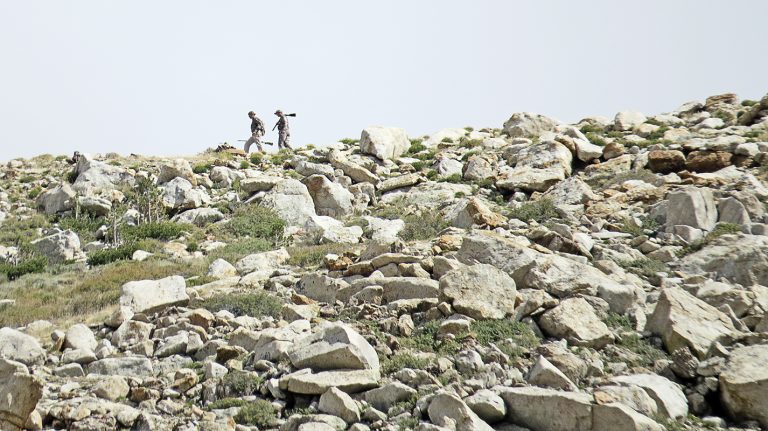
Hunting and shooting the Snowcock in North America is an epic and fabled feat in upland game hunting. These rare birds were brought to North America from the Himalayas during the 1960s by the Nevada Department of Wildlife and are considered by some to be the most difficult animal to kill on the continent. Residing above 10,000 feet in the Ruby Mountains of Nevada, these birds seek comfort in the roughest and steepest snow covered peaks. Snowcock hunting began in 1980 with hunters being allowed only one bird in a 30 day hunting season. By 1987, only 32 birds (4 birds a year) were reported as being harvested.
The Snowcock is a large bird, weighing between 6 and 11 pounds. A beautiful bird with white mantels on its plumage, it is incredibly clever, wary and very difficult to catch. One of the greatest disadvantages while hunting this bird is the environment. The Snowcock is comfortable and familiar with its territory and will work its movements to its advantage. In addition, the bird will often flush over an area of terrain, like a jagged cliff, that makes it impossible to retrieve. Although it may only fly for distances of 150 feet or so during a flush, it is extremely quick and may head downhill at up to 80 miles per hour.
Because this is a rare bird that lives in a difficult environment, it is a good idea to check with the local department about hunting rules during season and seek out the help of a good guide.
-
-
Climbing for the Birds
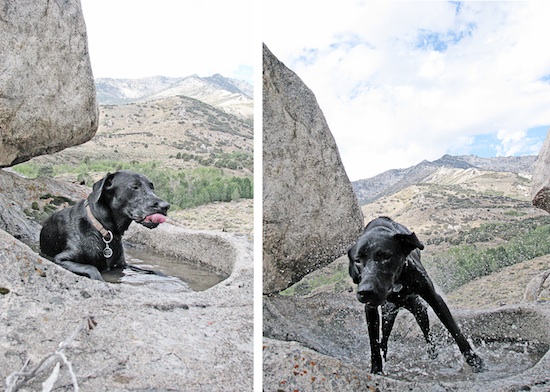
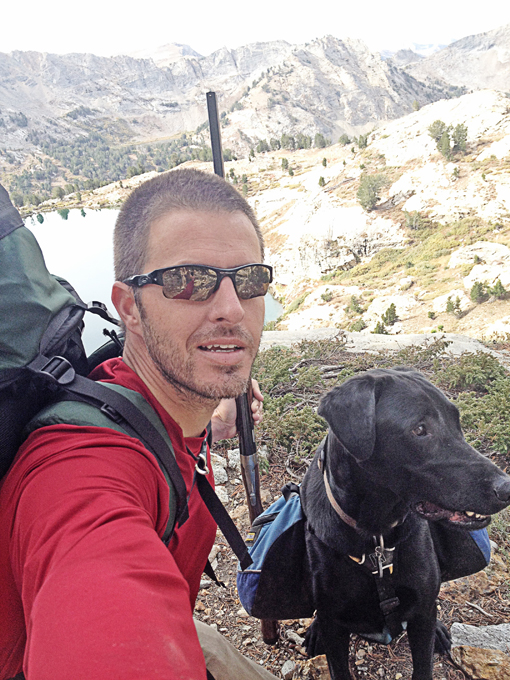
Maurice and I punched through the ridge line at 10,500 feet mid-morning with Wyatt the black lab in tow. The massive boulder fields and talus slopes are tough terrain for a bird dog. We climbed over a small crease and arrived at a rare sight, a piece of flat ground extending 50 yards to the…
-
Getting to Know the Rubys a Foot at a Time
Going from barely above sea level to over 8,000 feet in the span of a few days is challenging. So I’ve elected to start this hunt just focusing on the next step. Sure I’m here to bird hunt. But right now we just have to get legs and lungs acclimated to this new environment. I…
-
Getting Over the Snowcock Curve
There is definitely a learning curve anytime you try and hunt a new species in a new area. No amount of research or reading can truly prepare you the same as having boots on the ground. Of course all the ground in the Rubys points uphill. With Snowcock you hear tales of hunters rounding a…
-
There Are No Indifferent Snowcock Hunters
Between the years of 1963 to 1979 Himalayan Snowcock imported from Pakistan and Afghanistan were released in the Ruby Mountains of Nevada. Today it’s the only place in the Western Hemisphere these birds can be found. One can only guess why exactly the Nevada Department of Wildlife went to such lengths to establish a non-native…