
Flat-coated Retriever
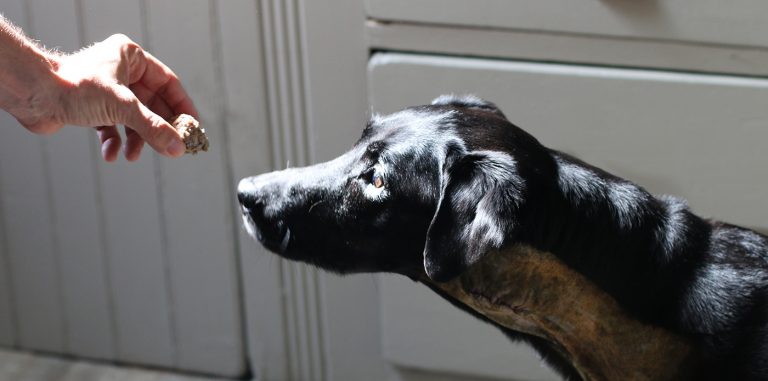
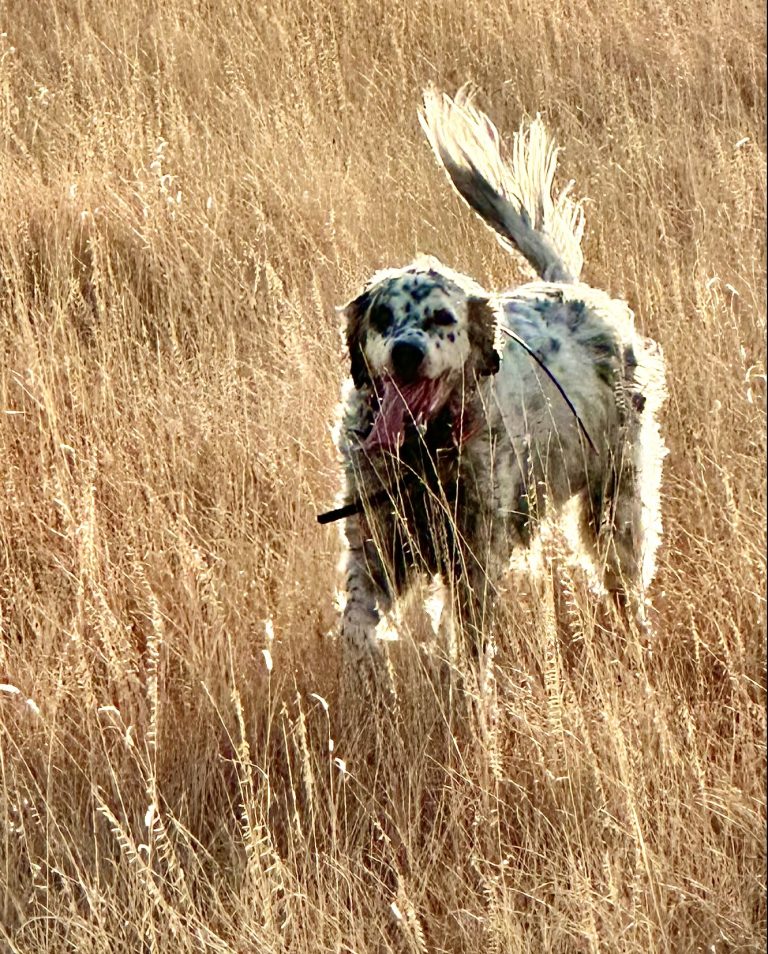
The Flat-Coated Retriever, often affectionately called the “Flat-Coat,” is a breed renowned for its cheerful disposition, athletic prowess, and unwavering enthusiasm as a hunting dog. Originating in mid-19th century England, the breed was developed to meet the demands of the shotgun era, where hunters needed reliable dogs to flush game within shooting range and retrieve fallen birds on both land and water. Its ancestry likely includes the now-extinct St. John’s water dog for water-retrieving abilities, Newfoundlands for strength, Collie-type dogs for trainability, and Setters for enhanced scenting, though exact lineages remain unverified. By the 1860s, the breed had emerged as a distinct type, with its final form stabilized around 1880 on the estates of British landed gentry. It quickly became the favored retriever in the late 1800s and early 1900s, dominating field trials and shooting estates for its versatility in upland game and waterfowl hunting. However, the breed’s popularity waned after World War I, overshadowed by the rising Labrador and Golden Retrievers—the latter partially derived from Flat-Coat stock. By the end of World War II, Flat-Coats teetered on the brink of extinction due to wartime hardships and reduced breeding. Dedicated enthusiasts revived the breed in the 1960s through careful breeding programs, restoring its numbers while preserving its working heritage.
In the United States, the Flat-Coated Retriever was introduced in the late 19th century, gaining rapid traction as a gun dog from around 1873 onward. It was recognized by the American Kennel Club (AKC) in 1915, with early patrons like H. Reginald Cooke championing the breed for over 70 years. Despite initial imports, serious breeding efforts were limited until the 1960s revival, when the breed’s population grew more substantially. Hunting history in the U.S. mirrors its European roots, with Flat-Coats excelling as dual-purpose retrievers for waterfowl and upland birds in diverse terrains. By the 1970s and 1980s, enthusiasts in regions like California focused on field work, using the breed for practical hunting and early field trials. Today, while not as common in competitive field events as Labradors, Flat-Coats remain valued for their natural hunting instincts, endurance, and ability to adapt to North American game like ducks and pheasants, often participating in hunt tests and as family hunting companions.
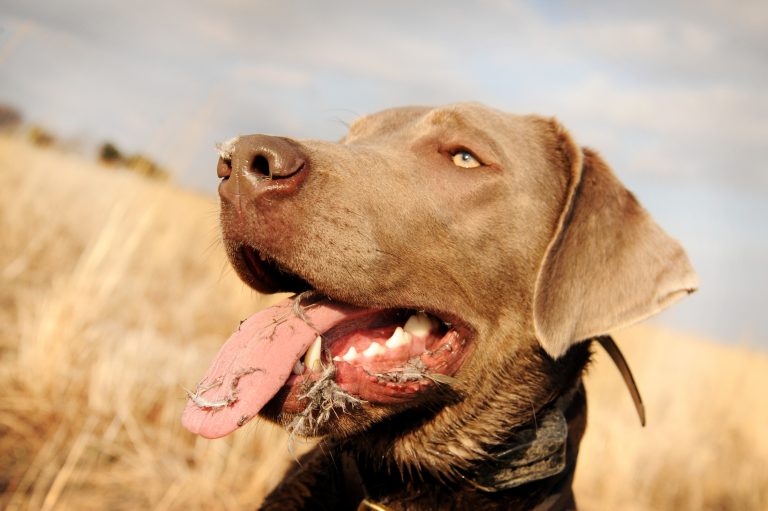
The breed standards, as outlined by organizations like the Flat-Coated Retriever Society of America (FCRSA) and AKC, emphasize a balance of functionality, elegance, and working capability. In general appearance, the Flat-Coat is a versatile hunting retriever with a happy demeanor, clean lines, and a silhouette showing “power without lumber and raciness without weediness.” Preferred size is 23 to 24.5 inches at the withers for males and 22 to 23.5 inches for females, with weights typically 60 to 70 pounds in lean, hard condition suitable for fieldwork. Proportion is slightly longer than tall, not cobby, with medium bone structure. The head is long and molded as “one piece,” with a gradual stop, almond-shaped dark eyes, and a strong muzzle for carrying game. The neck is moderately long and arched for retrieving strength, leading to a level topline and deep chest. Forequarters feature well-laid-back shoulders and straight legs; hindquarters are muscular with moderate angulation for drive. The coat is a defining feature: flat-lying, dense, and moderately long, providing protection in water and field, with feathering on legs and tail. Color is solid black or liver. Gait is smooth and effortless, reflecting balance and power. Temperament is alert, intelligent, kind, and enthusiastic—essential for a family companion and eager hunter, with no aggression or shyness.
In summary, the Flat-Coated Retriever’s journey from 19th-century British estates to modern American hunting fields showcases its resilience and adaptability. As a breed that blends historical utility with contemporary companionship, it continues to captivate those who appreciate a dog with boundless energy and a “forever young” spirit.
-
A Labs First Day Afield
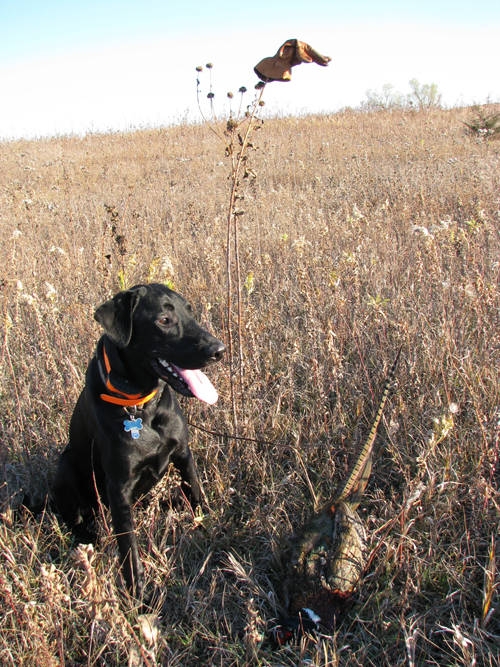
“No, I don’t think you understand, he has NO prior hunting experience…only obedience training.” I wrote to Brian, my new upland hunting buddy. The early morning email asking for my young lab and me to attend an upland hunt had caught me by surprise, putting a nice end to a long workweek. “Kali, it doesn’t…
-
Why We Hunt With Dogs
This morning I took my lab Wyatt out for a weekend stomp on public ground. Yesterday while in the field at first light I saw several other trucks with hunters trying to hunt the same field which we beat them to that day. Needless to say, the public options close to population centers here in…
-
The Fountain of Youth
The old boy doesn’t leap into the truck like he once could, but he still manages to lurch up the running boards and cross the center console. Instead of stowing him in the back for this road trip, I break the rules and let him ride shotgun. He acknowledges the exemption and quickly curls into…
-
The First Month with the New Puppy
Selective memory is a close ally to puppies. Recollection of puppy breath and cuddles gloss over the challenges of house training and toothy destruction. Adorable naps and puppy eyes erase the boundless energy and predawn bawling. It’s been six years since the last puppy, which has been plenty of time for revisionist history to mask…
-
Bird Dog Dealing with Lar Par
I’m not sure I can say “Laryngeal Paralysis” once correctly, let alone three times quickly — it’s a tongue twister. It has also been a vet stumper for a number of years. Until three weeks ago I had never heard of it. Let me break this diagnosis down in bird hunter terms which I’m certain…
-
Rio Flufferbunny
It was fall when she came to us on a plane from New Mexico, all legs and ears and sharp puppy teeth. She pointed from the womb — butterflies, song birds, turtles, tufts of grass stirred by a breeze — nothing was safe from her glare. As our first setter, I was unsure of the…