
English Pointer
The English Pointer, a paragon of elegance and athleticism, boasts a rich history rooted in its development as a premier hunting dog. This breed, renowned for its keen nose, agility, and distinctive pointing stance, has left an indelible mark on the field sports of Europe and the United States. Below, we explore the breed’s historical origins, its established standards, and its significant role in American hunting traditions.
Breed History
The English Pointer’s origins trace back to 17th-century England, where it was developed as a gun dog for pointing game, particularly birds. The breed likely descends from a mix of native British hounds, Spanish Pointers, and possibly Greyhounds, with the goal of creating a dog with exceptional scenting ability and speed. By the 18th century, selective breeding refined the Pointer into a lean, muscular dog capable of covering vast terrain and holding a steady point to indicate game for hunters. The term “Pointer” derives from this characteristic behavior, where the dog freezes, often with one front leg lifted, to signal the presence of game.
The breed’s development was influenced by the rise of wing-shooting with firearms, which demanded a dog that could locate and hold game without flushing it prematurely. By the 19th century, the English Pointer had become a favorite among British sportsmen, and its reputation spread across the Atlantic. The breed’s versatility and adaptability made it a staple in various hunting environments, from the open fields of England to the rugged landscapes of the New World.
Breed Standards
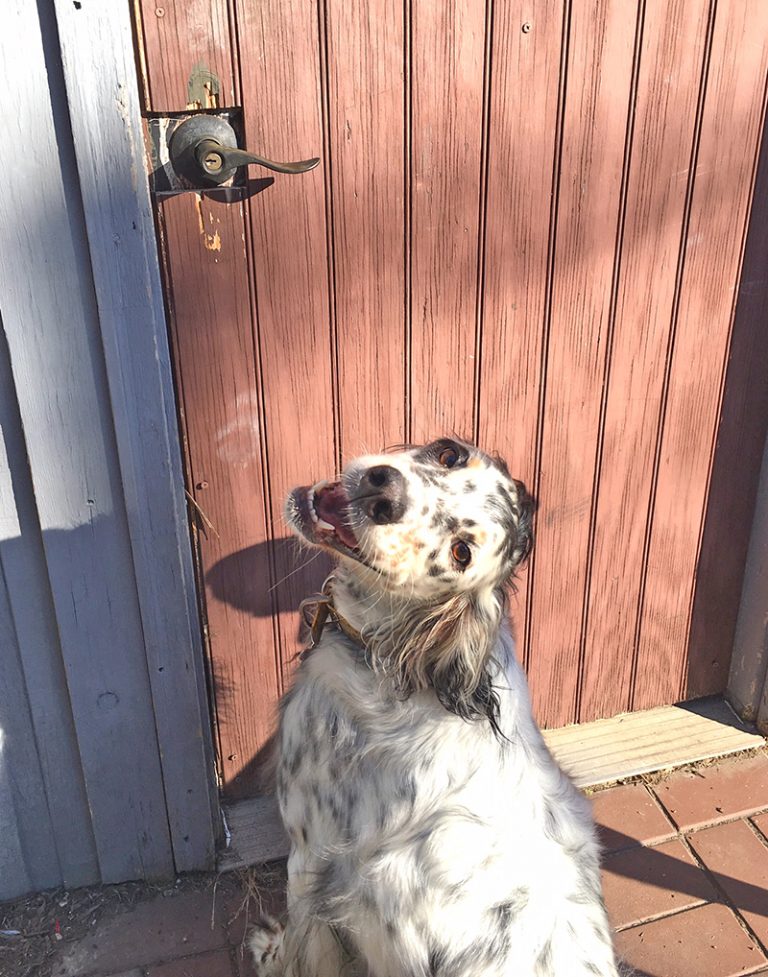
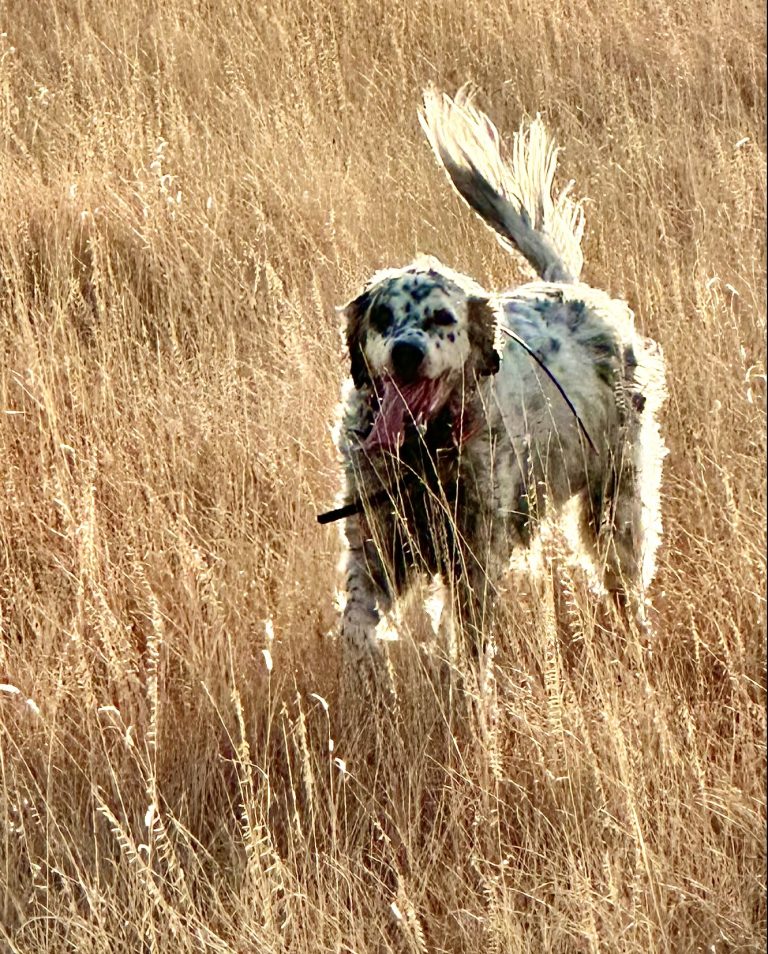
The English Pointer is defined by its sleek, athletic build and purposeful demeanor, as outlined by major kennel clubs like the American Kennel Club (AKC) and The Kennel Club (UK). According to the AKC breed standard, the English Pointer is a medium-to-large dog, typically standing 23–28 inches at the shoulder and weighing 45–75 pounds. The breed’s coat is short, dense, and smooth, with acceptable colors including liver, lemon, black, orange, or combinations with white, often featuring ticked or solid markings.
The Pointer’s physical structure emphasizes balance and endurance. Its head is noble, with a well-defined stop and a muzzle equal in length to the skull. The eyes are expressive, typically hazel or brown, conveying alertness and intelligence. The tail is straight, tapering to a point, and carried level with the back when the dog is in motion. Movement is a hallmark of the breed, with a smooth, ground-covering gait that reflects its purpose as a tireless field dog.
Temperamentally, the English Pointer is described as loyal, affectionate, and energetic. The breed standard emphasizes a keen, intelligent disposition, with a strong desire to work and please. While gentle with family, Pointers require ample exercise and mental stimulation, reflecting their high-energy hunting heritage.
History of Hunting in the United States
The English Pointer arrived in the United States in the 19th century, quickly gaining popularity among hunters for its versatility in pursuing upland game such as quail, pheasant, and grouse. The breed’s introduction coincided with the expansion of field sports in America, particularly in the South and Midwest, where vast farmlands and woodlands provided ideal hunting grounds. By the late 1800s, Pointers were a mainstay in American field trials, competitive events that tested a dog’s ability to locate and point game with precision.
In the U.S., the English Pointer was prized for its ability to adapt to diverse terrains, from the prairies of the Midwest to the piney woods of the South. Its keen nose and stamina made it particularly effective for quail hunting in states like Georgia and Alabama, where organized hunts became a cultural tradition. The breed’s influence grew through field trial competitions, with notable Pointers like Manitoba Rap and Mary Montrose setting records in the early 20th century for their exceptional performance.
The establishment of organizations like the American Field and the National Bird Dog Championship solidified the Pointer’s dominance in American hunting circles. These events emphasized the breed’s ability to cover ground quickly, locate game with precision, and maintain a statuesque point, often under challenging conditions. Today, English Pointers remain a top choice for hunters and field trial enthusiasts, with their legacy preserved through dedicated breeders and organizations.
Conclusion
The English Pointer’s journey from 17th-century England to modern-day America reflects its enduring qualities as a hunting companion and elegant athlete. Its breed standards highlight a perfect blend of form and function, while its history in the United States underscores its adaptability and prowess in the field. Whether in the rolling hills of the South or the competitive arena of field trials, the English Pointer continues to embody the spirit of the hunt, earning its place as one of the most revered gun dog breeds in history.
-
Bird Dog Dealing with Lar Par
I’m not sure I can say “Laryngeal Paralysis” once correctly, let alone three times quickly — it’s a tongue twister. It has also been a vet stumper for a number of years. Until three weeks ago I had never heard of it. Let me break this diagnosis down in bird hunter terms which I’m certain…
-
Pavlov Didn’t Have Bird Dogs
I’m forced to sneak about my own property like a burglar, held captive by bird dogs trying to secure their place in the truck. Regardless whether the destination is a wild place or the tame grocery, they are not willing to wager their spot. A few short weeks ago I could announce my exit to…
-
Rio Flufferbunny
It was fall when she came to us on a plane from New Mexico, all legs and ears and sharp puppy teeth. She pointed from the womb — butterflies, song birds, turtles, tufts of grass stirred by a breeze — nothing was safe from her glare. As our first setter, I was unsure of the…
-
Nowhere to Look
Dropped Wyatt off at the vet this morning for an exploratory procedure. I am now trying to do anything, accomplish something, will myself to the positive. I’m over-caffeinated and staged nearby awaiting the vet’s call. I can talk about the details, the minutia of his afflictions. I’ve gnashed over the could be and mights, in…
-
Keeping Weight on Your Bird Dog
When we’re not in the field, my dogs get fed premium dog food twice a day. Normally I don’t even need a clock in the house because they start getting antsy when meal times near. I think this is why it’s so confounding that when we go hunting their interest in food is trumped…
-
Why We Hunt With Dogs
This morning I took my lab Wyatt out for a weekend stomp on public ground. Yesterday while in the field at first light I saw several other trucks with hunters trying to hunt the same field which we beat them to that day. Needless to say, the public options close to population centers here in…