
English Cocker Spaniel
The English Cocker Spaniel, often simply called the Cocker Spaniel in its native Britain, stands as a testament to centuries of selective breeding for both companionship and fieldwork. This compact, energetic gundog traces its roots to ancient spaniel-type dogs, evolving into a distinct breed renowned for its merry disposition and unflagging enthusiasm in the field. While sharing ancestry with other spaniels, the English Cocker’s history reflects a blend of European origins, British refinement, and eventual adaptation across the Atlantic, where it carved out a niche in American hunting traditions.
Breed History
Spaniels have appeared in art and literature for nearly 500 years, with early distinctions between land and water varieties in England. By the 14th century, texts like Count Gaston de Foix’s “The Book of the Chase” (1387) described spaniels as affectionate workers used to flush game for falcons and greyhounds. The modern English Cocker emerged in the mid-19th century amid the specialization of land spaniels, divided by size and function. An 1803 article in The Sportsmen’s Cabinet differentiated larger “Springing Spaniels” from smaller “Cockers,” named for their prowess in hunting woodcock in dense coverts. By the 1870s, the Kennel Club in England required registration for purebreds, classifying spaniels under 25 pounds as Cockers. Influential dogs like Ch. Obo (whelped 1879), standing just 10 inches at the withers and weighing 22 pounds, helped standardize the breed, emphasizing sturdiness for navigating thick brush while retrieving game like birds and hares. The Spaniel Club’s conformation shows from 1885 onward solidified separate standards for Cockers and Springers by 1893. In 1901, the removal of weight limits promoted uniformity, resulting in the balanced, short-backed dogs seen today.
The breed diverged further when exported to America in the late 19th century, where it was adapted for local game like quail and woodcock, leading to the smaller American Cocker Spaniel. To preserve the original type, the English Cocker Spaniel Club of America (ECSCA) formed in 1935, with advocates like Geraldine Rockefeller Dodge authoring key texts and securing AKC recognition as a separate breed in 1946.
Breed Standards
Breed standards for the English Cocker Spaniel emphasize a sturdy, compact build with an alert, intelligent expression, reflecting its dual role as a worker and companion. Males typically stand 15.5–16 inches (39–41 cm) at the withers, females 15–15.5 inches (38–39 cm), with both weighing 28–32 pounds (13–14.5 kg). The coat is flat or slightly wavy, silky, and of medium length, with feathering on the legs, chest, and belly for protection in the field. Colors include solids like black, liver, or red/golden; parti-colors such as blue roan, orange roan, or liver roan; and rare patterns like sable, though plain white is discouraged except for small chest patches. Eyes are dark and expressive, ears lobular and low-set, extending to the nose tip when pulled forward. Tail docking remains common in North America for working dogs, typically to 4–5 inches, though banned or restricted in many countries.
Temperamentally, English Cockers rank high in working intelligence, known for their cheerful, obedient nature with proper socialization. They thrive on human interaction, excelling as family pets but requiring exercise to channel their energy, as they can become stressed by isolation or rough handling.
Field-bred lines differ from show types, featuring shorter coats and less pendulous ears for practicality in hunting, while show dogs prioritize longer feathering and elegance.
History of Hunting in the United States
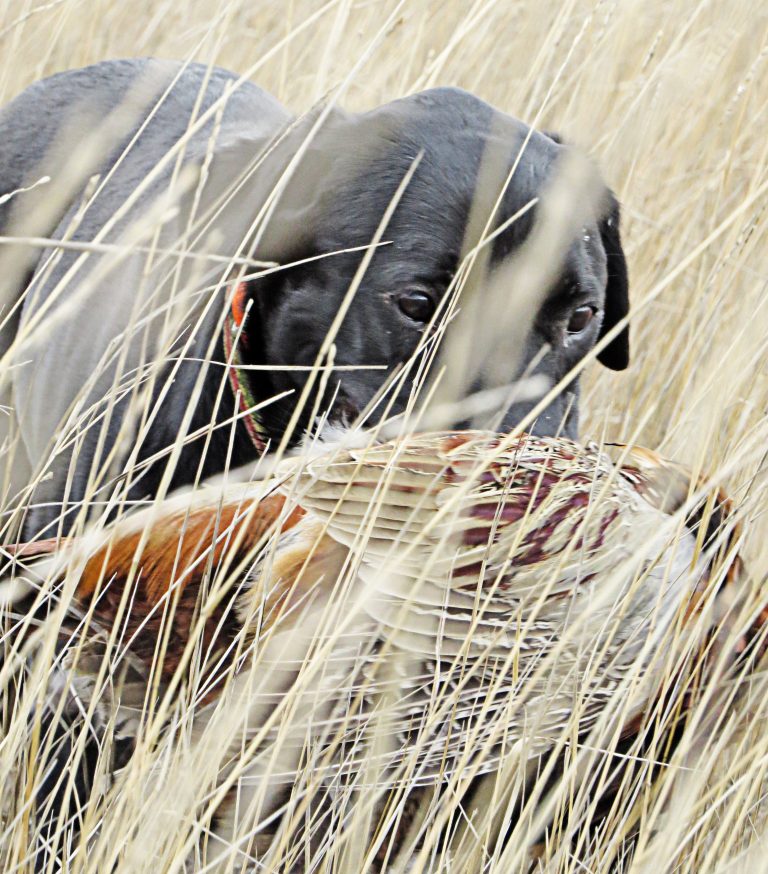
The English Cocker’s hunting legacy arrived in the U.S. during the late 19th century, initially intertwined with the American variant but distinguished by its robust field abilities. Bred for flushing and retrieving in dense cover, it targeted woodcock, quail, pheasants, and even larger game like hares. The AKC established cocker field trials in 1925 to promote its working instincts, separate from springers. Post-World War II, the breed’s popularity in shows waned its hunting reputation, but field-bred imports from England revitalized it. Today, these lines dominate U.S. hunt tests, field trials, and actual hunts, prized for their speed, scenting ability, and agility in thick terrain—traits that make them smaller, faster alternatives to springers for birds like pheasants. Organizations like the ECSCA continue to champion the breed’s dual-purpose heritage, ensuring its enduring role in American sporting culture.
In summary, the English Cocker Spaniel’s journey from medieval flushing dog to modern versatile breed underscores its adaptability, with standards preserving its functional elegance and U.S. history highlighting a resurgence in fieldwork through dedicated breeding and trials.
-
Nowhere to Look
Dropped Wyatt off at the vet this morning for an exploratory procedure. I am now trying to do anything, accomplish something, will myself to the positive. I’m over-caffeinated and staged nearby awaiting the vet’s call. I can talk about the details, the minutia of his afflictions. I’ve gnashed over the could be and mights, in…
-
Picking THE Puppy, or are we just kidding ourselves
Last time I chose a puppy I was fresh out of school, only a dim view of the years ahead and a bank account teetering on empty. At the time it seemed like a great idea, introduce a young dog into chaos and hope for the best. I knew little about training, obedience, nutrition, genetics,…
-
Meet Ida
I’ve always found the haphazard naming of dogs intriguing. I’ve wondered if a puppy grows into the name, filling the shape of some predetermined vessel? I like original names, probably because I have irrational hopes for my bird dogs to be uniquely exceptional. But then names different for different’s sake grind on me. People names…
-
The First Month with the New Puppy
Selective memory is a close ally to puppies. Recollection of puppy breath and cuddles gloss over the challenges of house training and toothy destruction. Adorable naps and puppy eyes erase the boundless energy and predawn bawling. It’s been six years since the last puppy, which has been plenty of time for revisionist history to mask…
-
Bird Dog Dealing with Lar Par
I’m not sure I can say “Laryngeal Paralysis” once correctly, let alone three times quickly — it’s a tongue twister. It has also been a vet stumper for a number of years. Until three weeks ago I had never heard of it. Let me break this diagnosis down in bird hunter terms which I’m certain…
-
The Lab Knows
Wyatt knows he’s black. He also knows this is the color of night. He’s been able to surmise that humans have terrible night vision. During daylight hours when we take breaks from hunting, he plots. He knows most mischief will not fly in the light of day. Raiding other camps, gnawing a nearby rotting deer…