Labrador Retriever
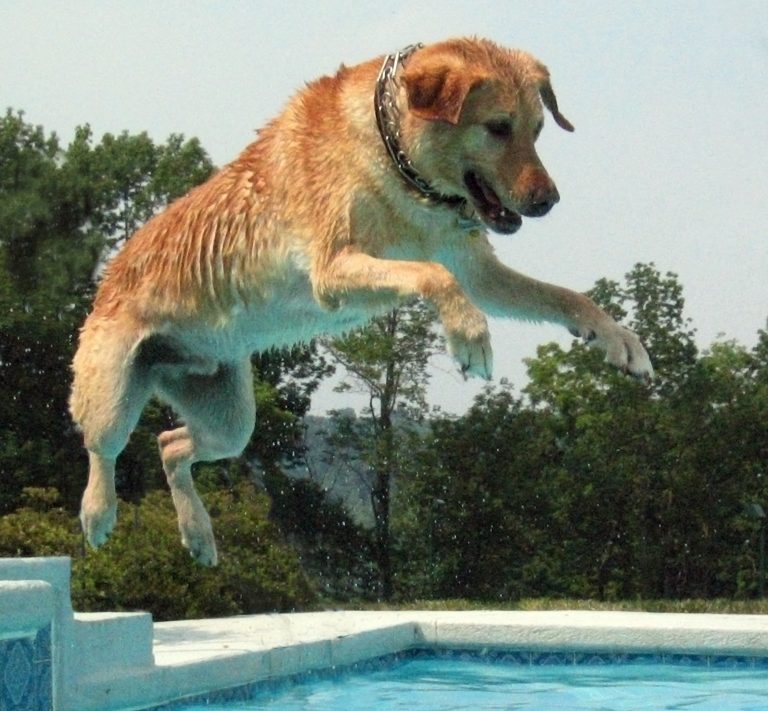
The Labrador Retriever, one of the most beloved dog breeds worldwide, traces its roots to early 19th-century Newfoundland, Canada, not Labrador as the name suggests. The breed descends from the St. John’s Water Dog, a now-extinct working breed used by fishermen to retrieve nets, haul lines, and fetch fish that escaped hooks. These dogs were prized for their intelligence, gentle temperament, and strong swimming abilities in the cold waters of the North Atlantic.
In the early 1800s, British aristocrats visiting Canada recognized the potential of these dogs and imported them to England. There, they were selectively bred for hunting, particularly for retrieving game such as waterfowl and upland birds. By the mid-19th century, the breed was refined into what we now know as the Labrador Retriever, named after the Labrador Sea or possibly as a distinction from the Newfoundland breed. The English Kennel Club officially recognized the Labrador Retriever in 1903, and the breed’s popularity grew rapidly in both Europe and North America.
Breed Standards
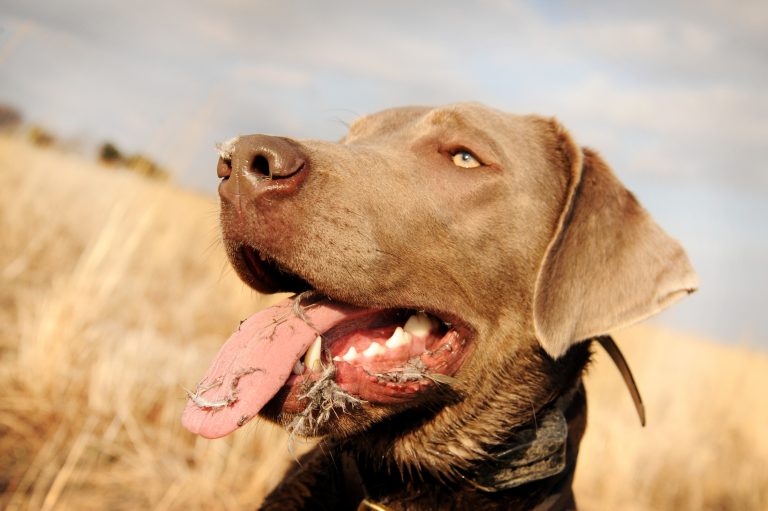
The Labrador Retriever is a medium-to-large working breed, known for its versatility, friendly disposition, and athletic build. According to the American Kennel Club (AKC) breed standard, Labradors typically weigh between 55–80 pounds, with males standing 22.5–24.5 inches tall and females slightly smaller at 21.5–23.5 inches. Their dense, water-resistant double coat comes in three colors: black, yellow, and chocolate. The coat is short and straight, with a thick undercoat for insulation.
Labradors have a distinctive “otter-like” tail, broad head, and expressive eyes, conveying their alert and outgoing nature. The AKC emphasizes their balanced, sturdy structure, ideal for retrieving tasks, with a smooth, effortless gait. Temperament is a hallmark of the breed: Labradors are described as friendly, outgoing, and tractable, making them excellent family pets, service dogs, and working companions. Disqualifications in show rings include significant deviations from size standards, aggressive behavior, or improper coat texture.
Hunting History in the United States
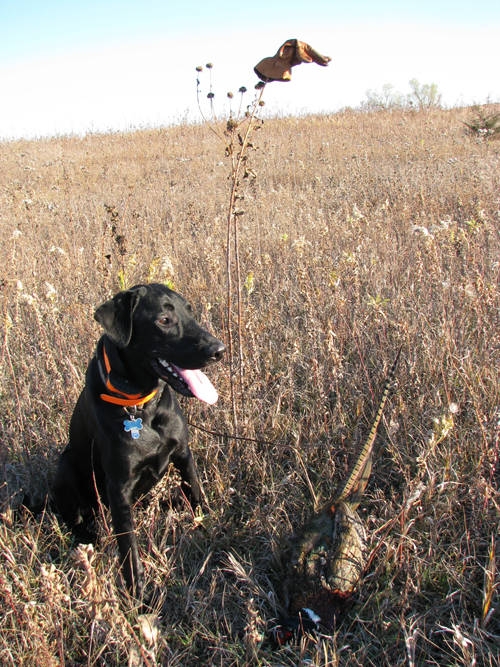
The Labrador Retriever’s hunting legacy in the United States began in the early 20th century as the breed gained popularity among sportsmen. Imported from England, Labradors quickly became favored for their retrieving prowess in diverse terrains, from wetlands to uplands. Their keen sense of smell, soft mouths (allowing them to carry game without damage), and natural love for water made them ideal for waterfowl hunting, particularly for ducks and geese. By the 1920s, field trials—competitions testing a dog’s hunting and retrieving skills—were established in the U.S., and Labradors consistently excelled.
In the U.S., Labradors were bred for both field and show lines, leading to some divergence. Field-bred Labradors are often leaner, more energetic, and intensely focused on hunting tasks, while show-bred Labradors emphasize conformation to breed standards. Despite this split, the breed’s hunting instincts remain strong. Labradors are renowned for their ability to mark fallen game, follow hand signals, and perform “blind retrieves” (locating game without a visible marker). Their versatility extends beyond hunting to roles in search-and-rescue, detection work, and as guide dogs, but their hunting heritage remains a core part of their identity.
Today, Labradors are the most popular breed in the U.S., according to AKC registrations, valued for both their working ability and companionable nature. Their hunting legacy endures in field trials, hunt tests, and among sportsmen who rely on their unmatched retrieving skills in America’s diverse landscapes.
-
Why We Hunt With Dogs
This morning I took my lab Wyatt out for a weekend stomp on public ground. Yesterday while in the field at first light I saw several other trucks with hunters trying to hunt the same field which we beat them to that day. Needless to say, the public options close to population centers here in…
-
A Labs First Day Afield
“No, I don’t think you understand, he has NO prior hunting experience…only obedience training.” I wrote to Brian, my new upland hunting buddy. The early morning email asking for my young lab and me to attend an upland hunt had caught me by surprise, putting a nice end to a long workweek. “Kali, it doesn’t…
-
Rio Flufferbunny
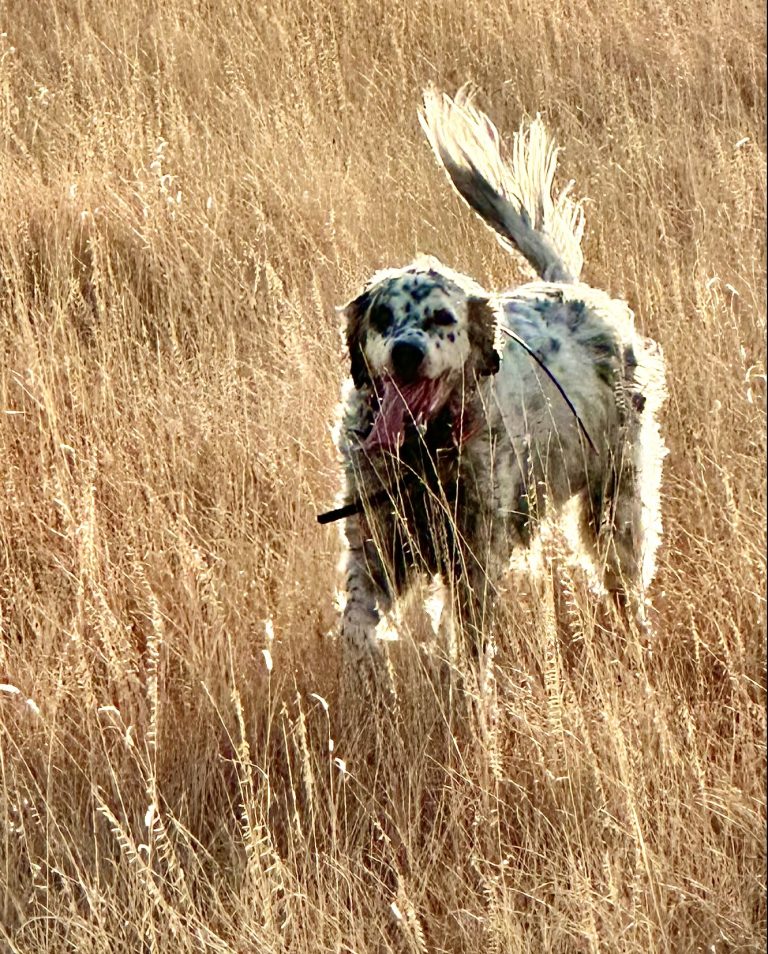
It was fall when she came to us on a plane from New Mexico, all legs and ears and sharp puppy teeth. She pointed from the womb — butterflies, song birds, turtles, tufts of grass stirred by a breeze — nothing was safe from her glare. As our first setter, I was unsure of the…
-
Picking THE Puppy, or are we just kidding ourselves
Last time I chose a puppy I was fresh out of school, only a dim view of the years ahead and a bank account teetering on empty. At the time it seemed like a great idea, introduce a young dog into chaos and hope for the best. I knew little about training, obedience, nutrition, genetics,…
-
The First Month with the New Puppy
Selective memory is a close ally to puppies. Recollection of puppy breath and cuddles gloss over the challenges of house training and toothy destruction. Adorable naps and puppy eyes erase the boundless energy and predawn bawling. It’s been six years since the last puppy, which has been plenty of time for revisionist history to mask…
-
Nowhere to Look
Dropped Wyatt off at the vet this morning for an exploratory procedure. I am now trying to do anything, accomplish something, will myself to the positive. I’m over-caffeinated and staged nearby awaiting the vet’s call. I can talk about the details, the minutia of his afflictions. I’ve gnashed over the could be and mights, in…